The Namma Metro riders of Bengaluru look down on the pretty “shocking” Monday as news comes back of further ticket price hikes imposed by the Bangalore Metro Rail Corporation Limited (BMRCL). It determines prices on the city’s vast 96.10 km metro network and from the new hike, which will come effective February 9, 2026, that adds a ₹1 and, in some cases, an additional ₹5 to the price.
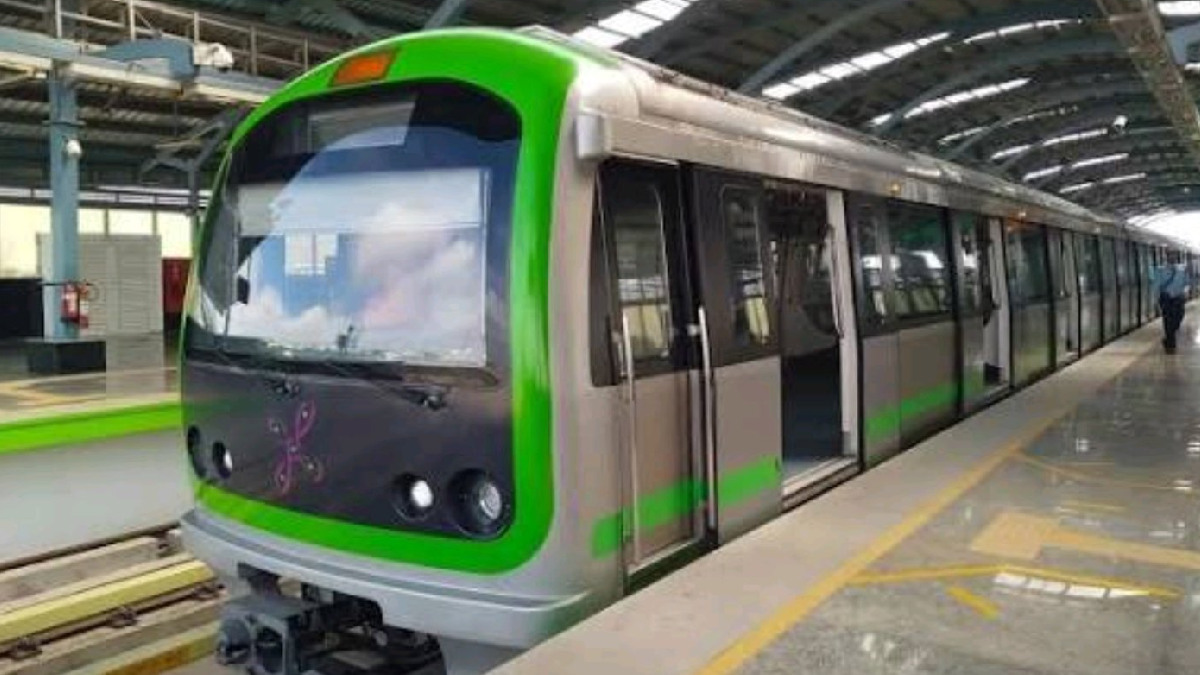
The move follows a huge increase in fares from a year ago, and it comes as soon as the company is launching a transparent Automatic Fare Revision system. Ultimately, the goal of this system is to eliminate a need to respond with high price jumps in the future. Instead, it represents a series of incremental modifications that allow commuters to think ahead about their travel budgets more strategically.
The fare structure has evolved over a ten-year period from a pre-fix pricing equation before Metro Railways (Operation and Maintenance) Act 2002 was adopted which, in a few months earlier, became official action and received Government endorsement in April 2002. As fare rates have increased when it comes to commuters travelling short distances (0 km to 2 km), fares will be raised to ₹11, at a different scale from ₹10. That is quite a hefty burden for the commuters who go long distances of above 30 km with ₹95 as their final fare. So let us know whether the old or new fare are changing per distance zones.
| Zone | Distance (km) | Current Fare | Revised Fare (from Feb 9) |
| F1 | 0 – 2 | ₹10 | ₹11 |
| F2 | 2 – 4 | ₹20 | ₹21 |
| F3 | 4 – 6 | ₹30 | ₹32 |
| F4 | 6 – 8 | ₹40 | ₹42 |
| F5 | 8 – 10 | ₹50 | ₹53 |
| F6 | 10 – 15 | ₹60 | ₹63 |
| F7 | 15 – 20 | ₹70 | ₹74 |
| F8 | 20 – 25 | ₹80 | ₹84 |
| F9/F10 | 25 – 30+ | ₹90 | ₹95 |
For the new fare equation, the increase will become average, reflecting the actual average cost increase faced by the Metro operational teams every year, or a maximum of 5% whichever is the lowest. A 5% reduction will be added to relieving the pressure on busy commute volumes.
Aside from Sunday and three National Holidays, rides also come at a 10% discount on non-peak hours. But Tourist Cards will adjust their prices as they make the alterations, as well. The cost of a one-day Smart Card pass will be ₹313 the previous price was ₹300 Mobile QR version is ₹263.

Proportions of price increases on the three and five day passes have been introduced, which also in large part mirrors the fare structure changes. The fares are due in the week from today and commuters should keep up with the latest, but they should also reflect on their daily lives when they head to a place as commercial and busy as Bengaluru.