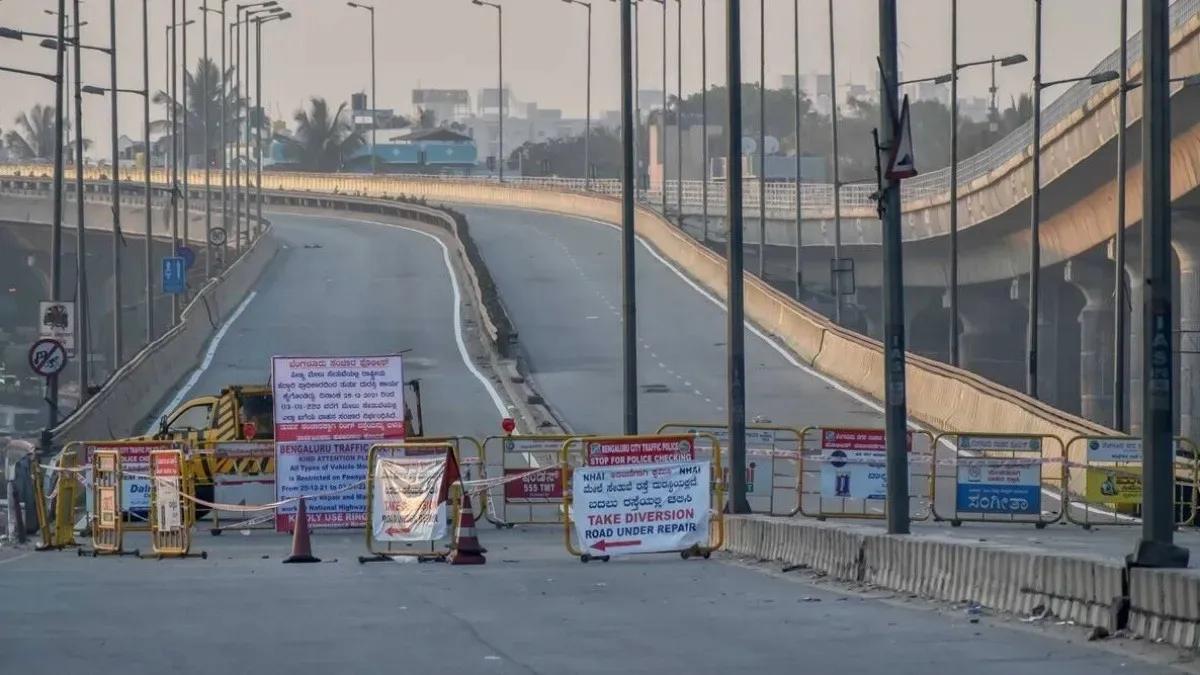
For years Bengaluru’s commuters have been hearing about the much‑anticipated Ragi Gudda to Silk Board flyover. The project was funded with billions of dollars in taxpayers’ money and was supposed to relieve one of the city’s busiest traffic arteries. But the second side of the flyover has languished for months. Every few months it is announced that it will be opened “next month” but no reason is given.
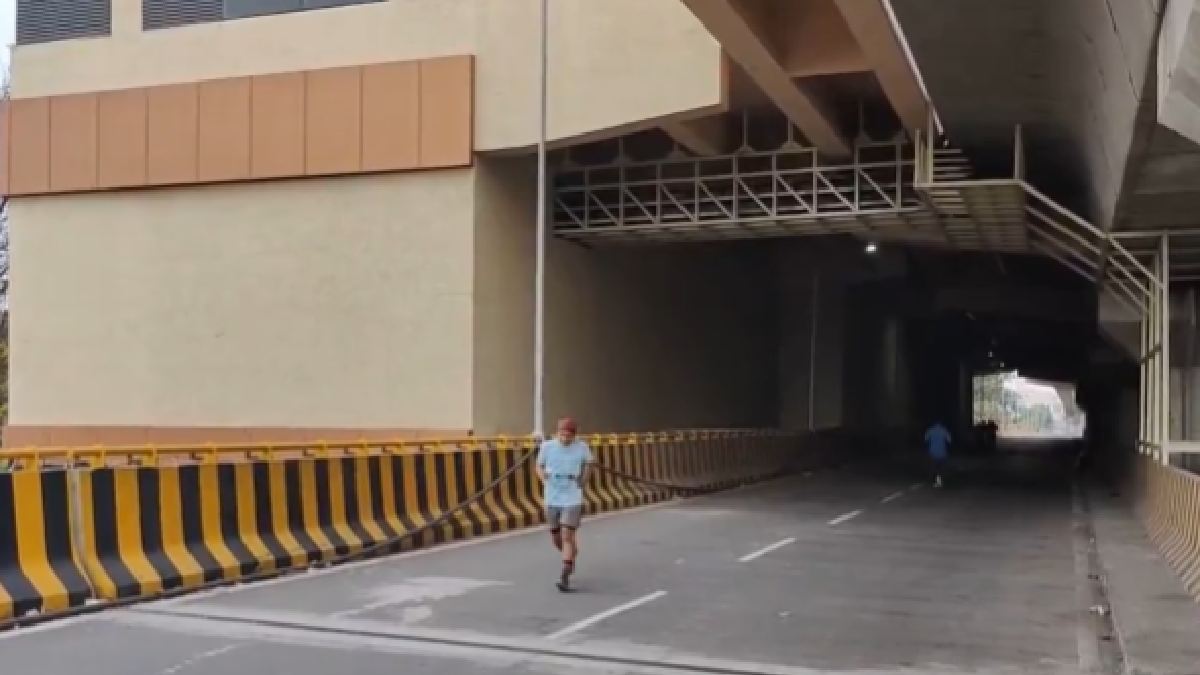
And in the meantime, the flyover has turned out to be something unexpected: a multipurpose space for citizens. On a given day, it can be seen that runners and walkers use it as a track. Kids practice roller skating, mothers make reels and college boys teach their girlfriends how to drive. Broken beer bottles and garbage thrown around show how quickly public spaces can be misused even before they are officially opened.
This oddity with the flyover is illustrative of both Bengaluru’s creative and frustrated attitude. Residents are using the empty stretch to make use of the space and also are wondering why it is that such an expensive project is still idle. The flyover was constructed to alleviate traffic chaos and has become a symbol of bureaucratic red tape.
The irony is a lot to bear. A flyover that would bring thousands of vehicles each day now hosts joggers, skaters and casual gatherings. Residents joke the government would like them to do “50 runs” on the flyover before somebody cuts the ribbon.
A bigger problem in urban infrastructure projects is that of execution and inauguration delays. While construction may be completed, paperwork, approvals or political timing often delay projects from fulfilling their intended purpose. And for Bengaluru, a city already suffering from traffic congestion, every day of delay adds to commuter woes.
At the same time, the flyover has served as a reminder of how local public spaces belong to the people. Even in its state of unoccupied space, it has been used for recreation and social activity by people. This is both how strong Bengaluru’s residents are and how impatient they are with slow governance.
As the flyover continues to age without inauguration, the hope remains that authorities will act soon. Until then, the “father of all flyovers” is a curious mix of promise and neglect of an engineering achievement waiting to do its job.