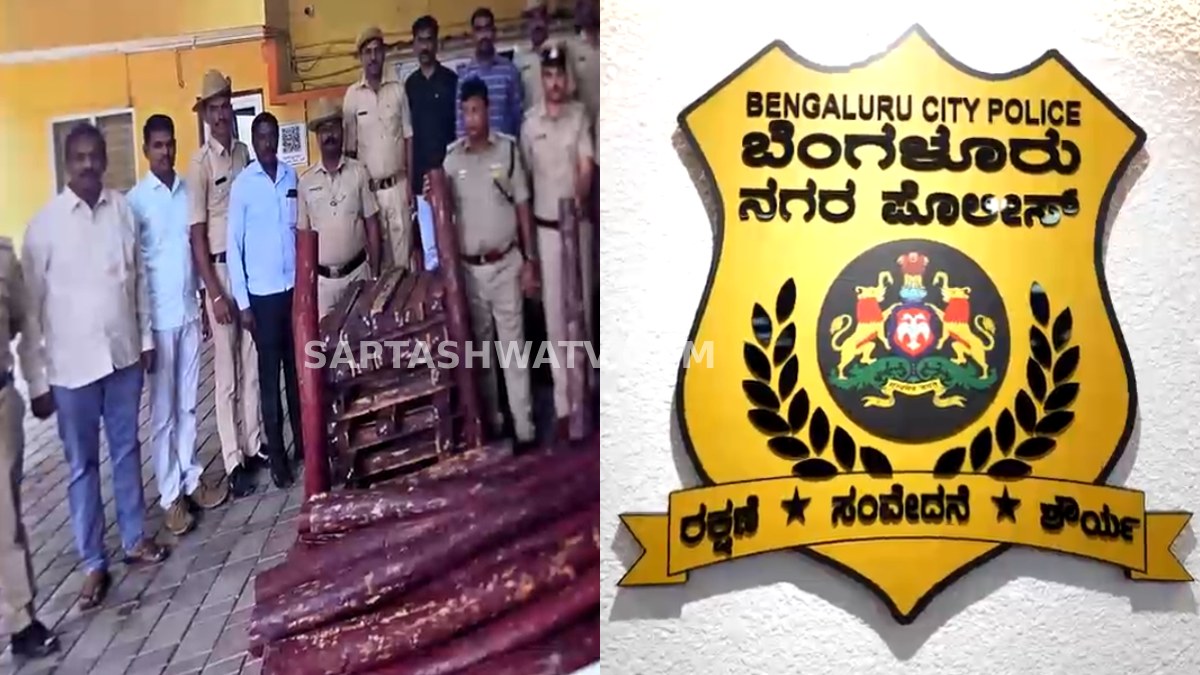
These were recommended in a letter issued by Bengaluru City Police, which issued guidelines to police officers after complaints of harassment, aggressive solicitation of money, obstruction of traffic and other unlawful activities by transgender people in public places were reported to police personnel. The guidelines are meant to be used to address complaints by the public and protect transgender people’s legal rights, dignity and respect when police are engaged in police action.
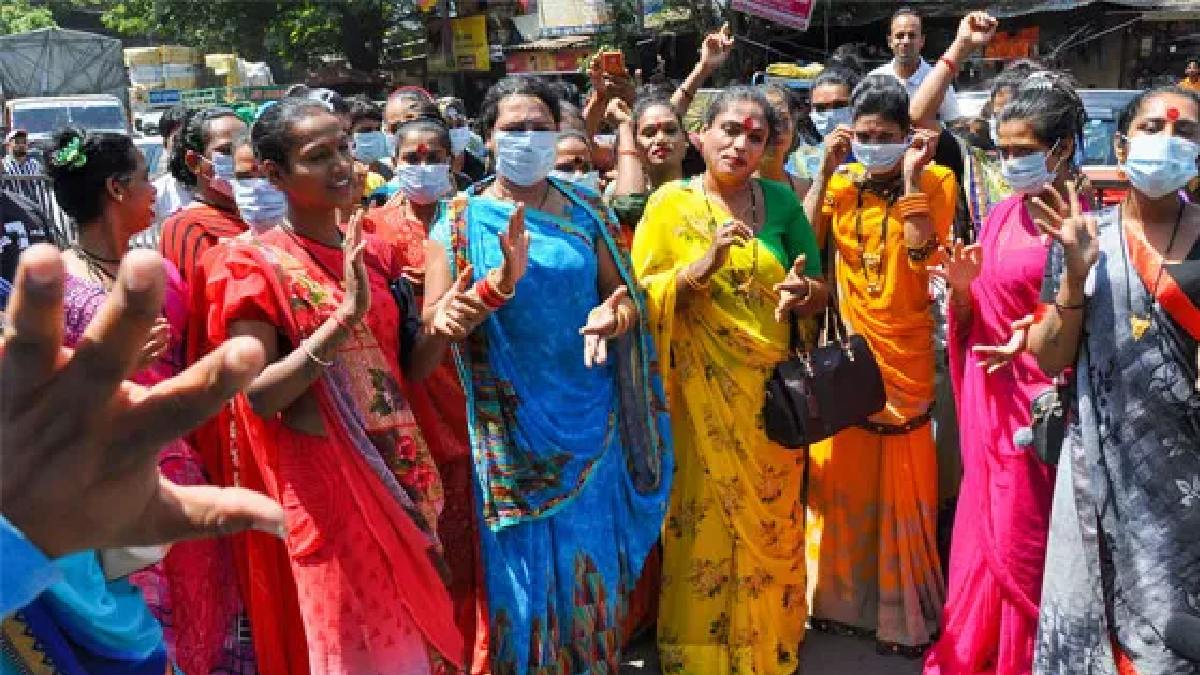
According to the guidelines, complaints regarding aggressive requests for money or begging, obstruction of vehicles, threatening behaviour, abusive conduct, assault or harassment should be investigated by the concerned police personnel. Officers are to evaluate each complaint as it arises and take the necessary legal action where necessary.
Traffic signals and busy public areas would also be highlighted in the guidelines. Police would need to be aware of where people repeatedly complain about the traffic. Sensitive areas and where large public gatherings take place are also to be monitored by the police, especially when programmes, events or celebrations attract large numbers of people.
Policing and surveillance at those locations will be more visible, and officers can respond more quickly to disputes, harassment or traffic problems.
At the same time, Bengaluru City Police guidelines also stress the need to engage with the transgender community. Police officers will also meet with members of the community and talk to them about laws that affect them and what they would like to do to prevent complaints and confrontations. A dialogue between police and the community will be established so that there is no friction and people can be able to talk to you when you report a problem, and if you’re not there for the same reason and you have any information on it at all.

The treatment of those suspected of unlawful conduct is to be in line with their gender identity, but not to criminalise people based on their gender identity, the guidelines state. Officers must comply with the law and treat transgender persons with dignity and respect in a manner that maintains public order.
Bengaluru, one of India’s largest metropolitan cities, has a high traffic volume and dense public spaces - road junctions, commercial areas, transport corridors and hubs of high volume of public transport and large events. Managing public movement in such places needs regular policing, particularly for busy intersections where even a small problem can cause traffic problems.
The directions also highlight police’s larger responsibilities to balance public safety with the constitutional and legal rights and requirements they must meet. Threats, assault or obstruction complaints can be investigated under the law if evidence is there to support them. Transgender people should be afforded equal protection of the law and are to be treated with dignity during police interactions.
The Bengaluru Police’s action comes at a time when transgender people are still struggling to go out in public, to make money and live comfortably in the city, and to find a job. And traditional ways of earning for transgender people have traditionally been begging for money from people in the public. The guidelines’ emphasis on community meetings, awareness and legal action for enforcement and involvement is indicative of a strategy of enforcement but also participation.
Police stations throughout the city will now be required to recognise the same complaint spot, enhance patrols, and respond to incidents based on the case at hand. Always maintaining public order, smooth traffic flow and settling genuine complaints is important, but so are the legal rights and dignity of transgender persons.
So enforcement and community engagement are the responsibility of the guidelines. If unlawful conduct is found, it can result in law enforcement action, but the police have been reminded that this enforcement must not interfere with the dignity, respect and legal protections that transgender people enjoy.