The city of Bengaluru, India’s technology capital, has been plagued by a public sanitation issue and an earlier study suggested the city has only one public toilet for every 30,000 people.
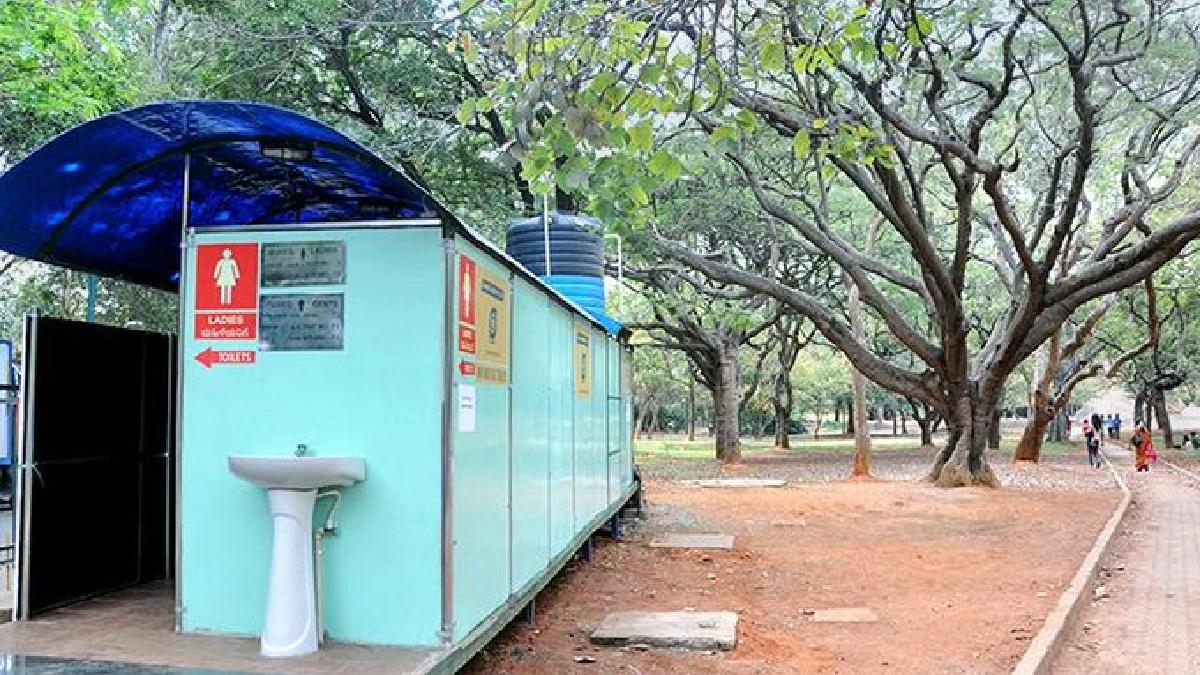
The findings have raised fears of poor civic infrastructure in a city that is booming.
The report shows that the available public toilet facilities in Bengaluru are short of recommended urban sanitation standards. Residents and visitors suffer and the lack of sanitary facilities poses serious public health and hygiene risks, the experts say. Women, senior citizens, children and people with disabilities are the most impacted by the lack of access to toilets.
With a population of over 14 million, Bengaluru has witnessed rapid urban growth in the last decade. But the pace of civic infrastructure development has not been able to keep pace with this growth. In many areas, such as high-volume commercial districts, crowded markets, bus stops and parks, public toilets are not maintained properly or not well.
Urban planners and public health experts say sanitation is a basic civic necessity as well as a civic right and not a luxury. Poor public toilet infrastructure often forces people to pay high rates of pollution and disease-carrying disease and urban infrastructure and is not only an inconvenience but is simply not as important as a luxury.

There are also problems beyond numbers in the study. Many public toilets currently in use are in poor condition, not cleaned regularly and water supply is inadequate and even less accessible than in previous years. Women-friendly facilities, sanitary disposal units and toilets for people with disabilities are scarce in many places.
Civic activists have called on the Bruhat Bengaluru Mahanagara Palike (BBMP) and other urban authorities to take care of sanitation infrastructure.
They propose the construction of more public toilets, smart monitoring systems for maintenance, public-private partnerships and regular checks for cleanliness to make sure that there is cleanliness in the system and to have cleanliness standards to work with and clean it.
Technology can play an important role in the solution. Mobile apps that help users locate nearby public toilets, digital monitoring of maintenance schedules and sensor-based cleanliness tracking have already shown positive results in several Indian cities.
The sanitation gap also makes Bengaluru a global technology destination. Every year, millions of business travelers, tourists and daily commuters depend on public facilities throughout the city. A good sanitation network is necessary for public health and for urban development and a friendly environment to be created for visitors.
Bengaluru’s findings are a reminder that growing cities need to invest equally in basic civic amenities as well, as India is putting more focus on urban development and the Swachh Bharat Mission. To make sure there are enough clean, safe and accessible public toilets will take planning in advance, continuous funding and ongoing maintenance.
The findings have revived the discussion on Bengaluru's urban infrastructure issues as well, and it has put sanitation as a top priority in city planning.
This shortage in public health, quality of life and progress in the city’s long-term sustainable development goals can be mitigated.