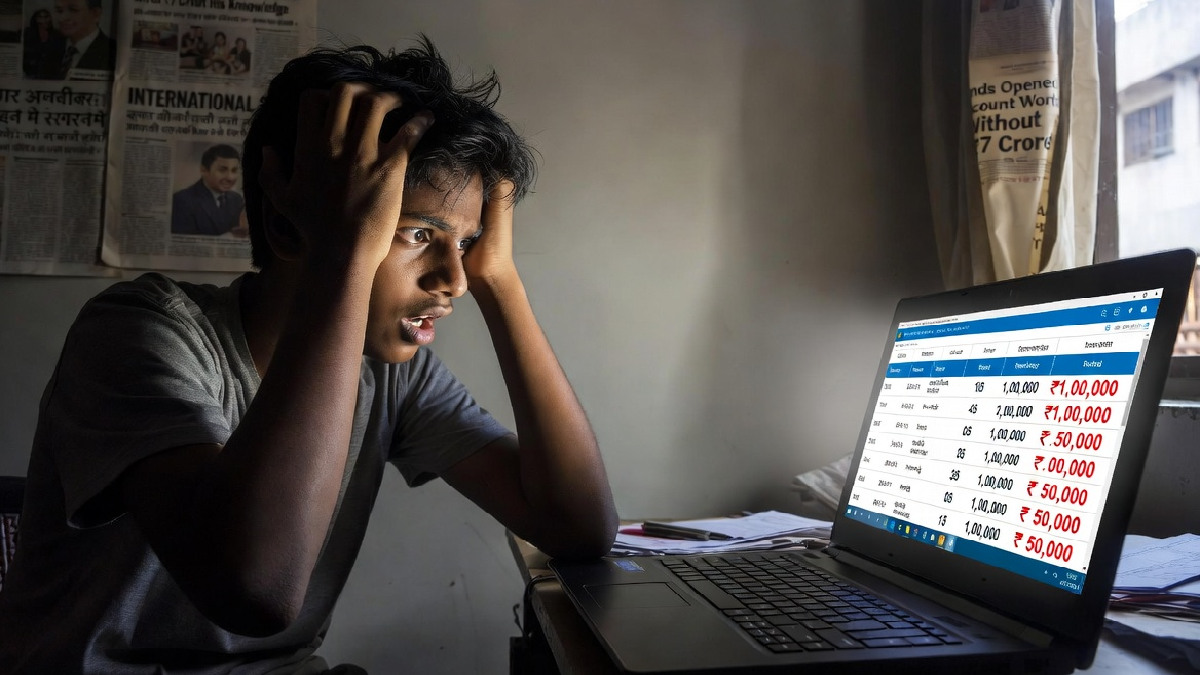
It came as a shock in a case of betrayal and cyber manipulation when a 26-year-old Rajajinagar man approached the North Division CEN (Cyber, Economic Offences, and Narcotics) Police claiming that his close friends had turned his bank account into a "mule account" to enable an international scam amounting to a staggering ₹7 crore. The victim, named Sridhar Ramesh K., only became aware that he was at the center of a massive criminal investigation when police officers knocked on his door to inquire about suspicious high-value transactions.
The Betrayal of Trust
Ramesh's ordeal began in late 2024 when he was approached by a long-time acquaintance, Nandini, whom he had known for over five years. Nandini purportedly asked to use Ramesh’s Karnataka Bank account, claiming she did not have a functional bank account for her personal financial transactions. Trusting his friend, Ramesh not only shared his account credentials but also handed over a SIM card linked to the account to ensure "smooth transactions."
Unbeknownst to him, Nandini, along with another associate identified as Deepthi and several others, reportedly connected his account to a sophisticated money-laundering network. The account was used over several months to layer illicit money and transfer illicit funds to new places. During those months, the total volume of suspicious transactions is estimated by police officers to be in the ballpark of ₹7 crore.
The Crackdown on 'Mule Herders'
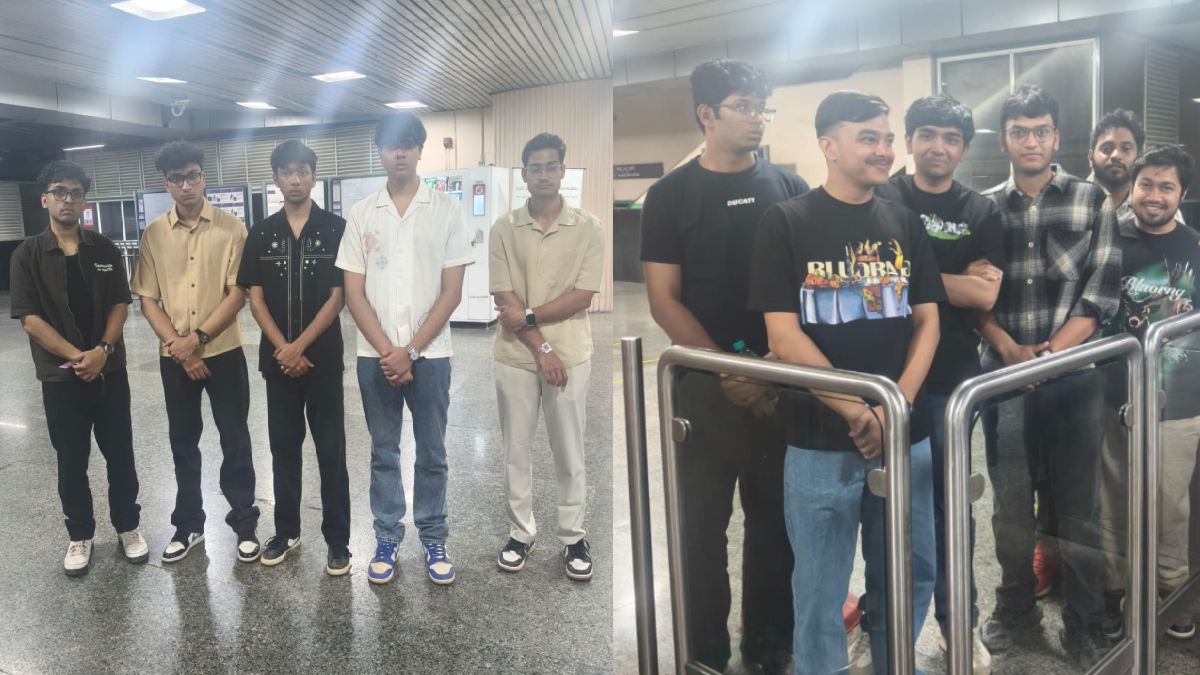
The fraud was revealed during a statewide investigation initiated by the Karnataka Cyber Command, which was intensified in February 2026. Acting on a money trail traced from a separate cybercrime case, officials linked a series of fraudulent transfers to Ramesh’s Rajajinagar address. When questioned, Ramesh realized that his "help" had actually been an entry point for "mule herders" criminals who recruit unsuspecting people to use their accounts for laundering stolen money.
The police have since registered a case under Sections 66(C) (identity theft) and 66(D) (cheating by personation) of the Information Technology Act, 2000. The accused have also been booked under Section 318(4) of the Bharatiya Nyaya Sanhita (BNS) for dishonestly inducing the delivery of property. Investigators believe this case is part of a larger syndicate that frequently converts swindled money into cryptocurrency for distribution to offshore accounts.
A Growing Menace in the Tech Capital
This is one of the recent incidents reported in Bengaluru, where students and young professionals are being targeted. In another case in Whitefield, a restaurant chef was lured with a "rental fee" of ₹1,000 per day to share his bank details, only to find himself under investigation for a multi-lakh fraud.
A senior police officer investigating the case issued a stern warning to the public: "Your bank account is your financial identity. Sharing it, even with a 'trusted' friend, is akin to handing over the keys to your house to a burglar. Once your account is flagged in the National Cybercrime Reporting Portal (NCRP), you become the primary suspect in the eyes of the law." Citizens are urged to regularly check their transaction statements and never share linked SIM cards or OTPs with third parties.