Seasonal infections have spiked due to a massive cold wave in Karnataka. Only this past week alone the state recorded 135 cases of SARI, 35 cases of ILI, and another 3,327 cases of Acute Diarrheal Disease (ADD). As mercury declines, health officials are keeping a close eye on the spread to prevent a bigger increase in the numbers.
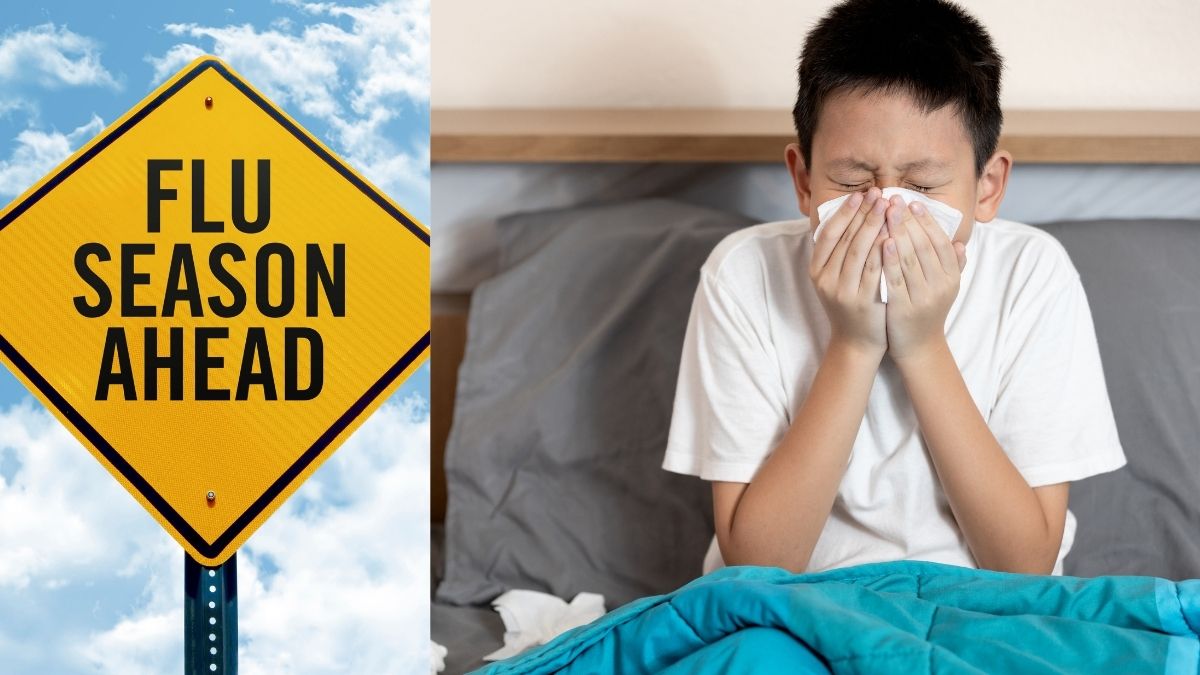
Vulnerable Populations under Scrutiny
City dwellers face substantial concerns about “seasonal flu” as the weather changes. Frequent signs include a persistent cough and fever, a cold, loss of appetite, body aches, and dry cough and are often reported in hospital. Dr. Muralidhar of KC General Hospital has also issued a stern warning, particularly as to:
- Pregnant women: Advised to get needed vaccinations.
- High-Risk Patients: Patients with comorbid conditions (diabetes, asthma, and heart disease)
- Elderly and Infants: Stay away from the cold wind at night.
The increasing trends and graphs in the growing numbers: A comparative plot
But now the 3,327 ADD cases which were reported in January 2026, over 1,79,028 cases in just five days showed faster acceleration if the total ADD cases last year were over 1,79,028. Similar to the SARI and ILI epidemics, which are on the rise, this is an important trend. Doctors say the spike stemmed from the current H3N2 influenza strain in the region, which is largely common, and the effect of temperature inversion that traps pollutants and viruses closer to the ground.
Medical Advice: Avoidance Is Essential
To combat these diseases, medical scientists recommend that you make the following lifestyle changes until winter is no more:
Dietary Changes: Avoid oily, fried foods and too much sweets. Eat home-cooked, hot home-cooked meals.
- Hydration: Stick to boiled and cooled water only this protects against waterborne illnesses, like ADD.
- Hygiene: Hygiene you need to ensure is extremely strict and use masks in public environments and particularly in high-passing and poorly ventilated buildings.
- Vaccination: Those at increased risk should not avoid seasonal flu shots, but seek consultation with their physicians.