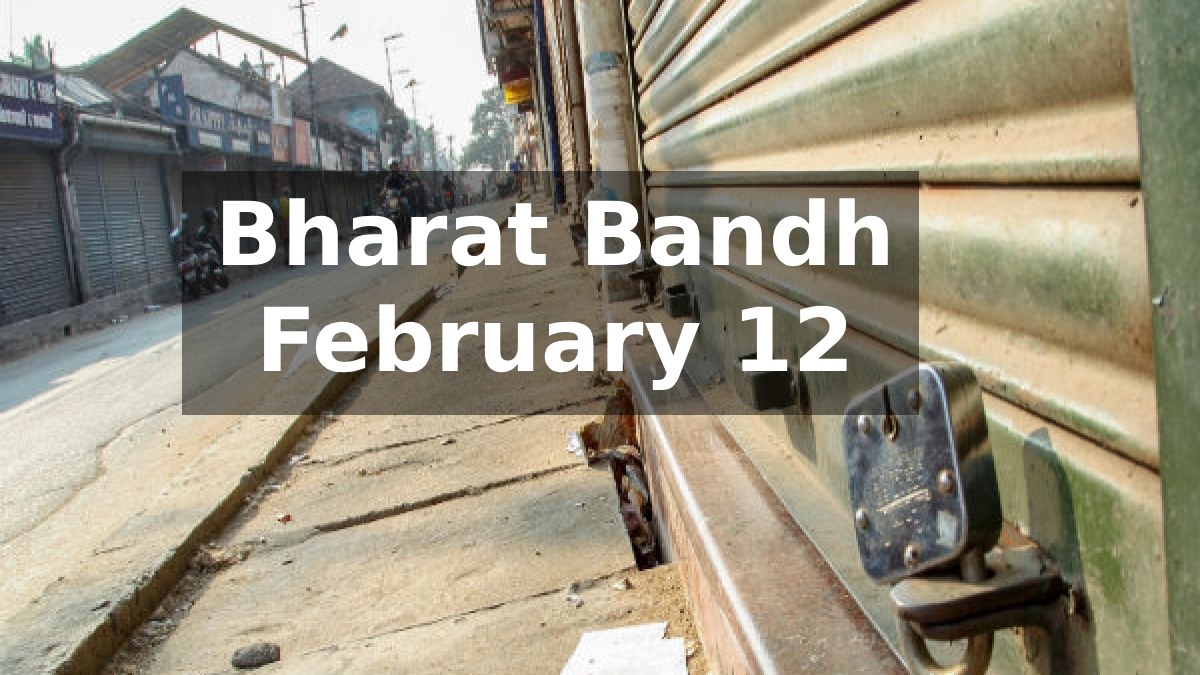
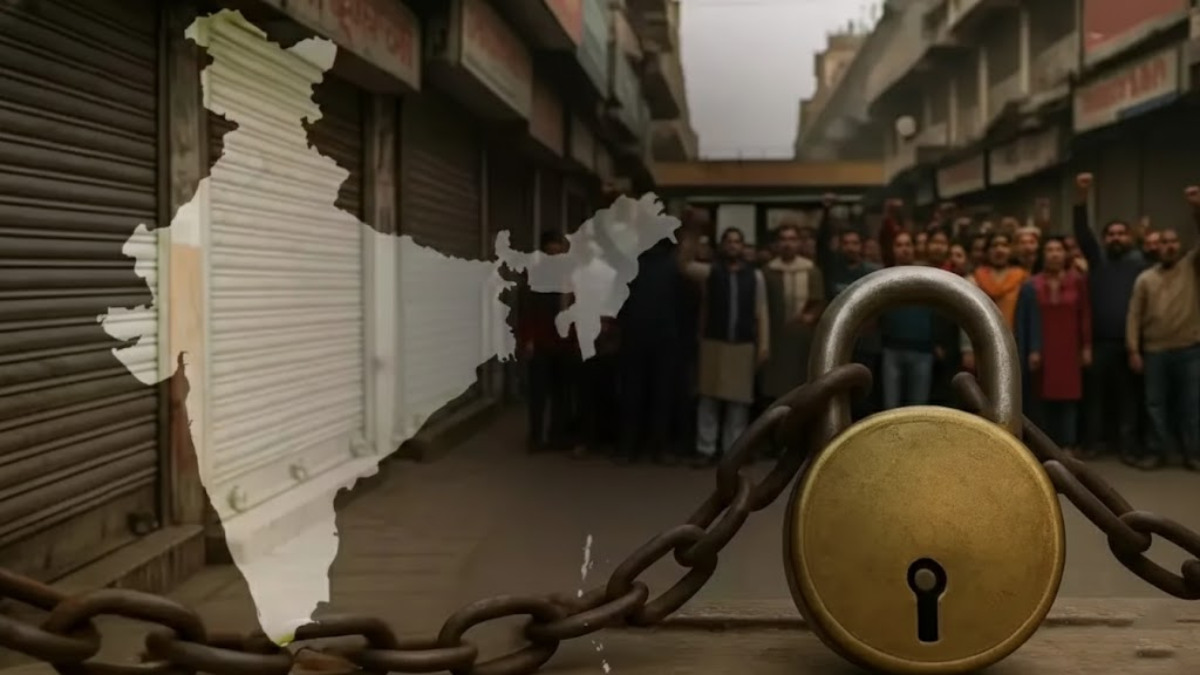
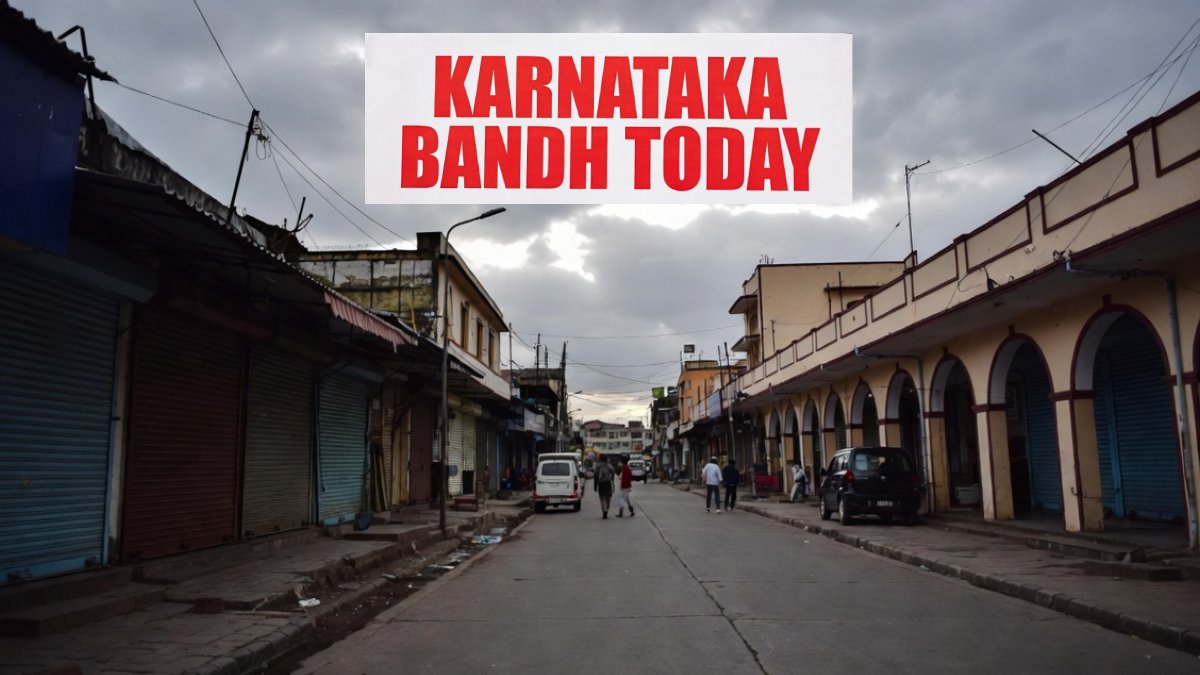
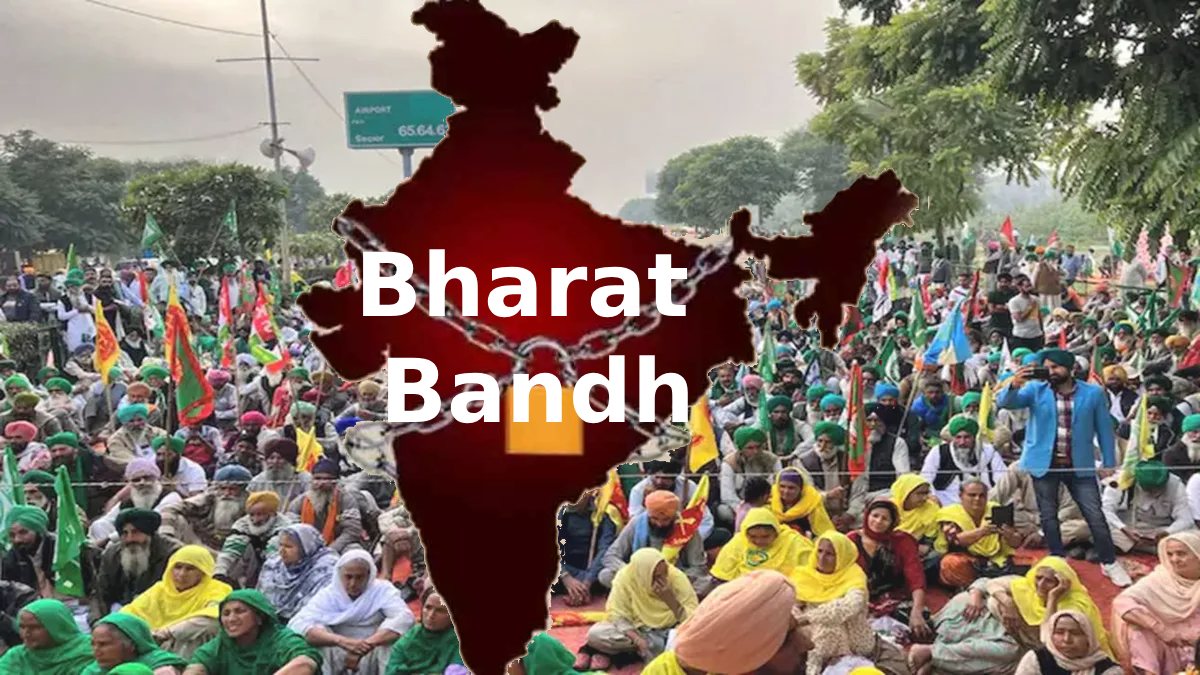
India is preparing to face a major disruption on Thursday, February 12, 2026, as ten leading central trade unions and various farmers' groups unite in the country for their "India Bandh." The strike features a joint platform of AITUC, INTUC, CITU, and HMS, and it collectively opposes what many workers have referred to as the “anti-worker and anti-farmer” policies of the central government. Organisers say the mobilization will be larger than previous strikes, aimed at both urban industrial cities and rural agricultural belts.
Key Demands and Grievances
The protesters are focused on the immediate scrapping of the four new Labour Codes, which unions have claimed undermine worker protections and favour corporate interests. They are also demanding the withdrawal of the Draft Seed Bill, Electricity Amendment Bill, and SHANTI Act.
Farmers' groups with the main support, mainly Samyukt Kisan Morcha (SKM), are now firmly in support and with very strong sentiments and alarm at the recently proposed India-US interim trade agreement, which they argue will lead to cheap American agricultural imports flooding into the Indian market.
Expected Impact Across India
The strike is set to bring a nearly complete shutdown in states such as Kerala, Odisha, and Assam. AIBEA and AIBOA are among the major banking unions that have confirmed their involvement, which will most probably hobble any day of financial services and ATM operations.
Essential services such as hospitals and emergency responders may not be affected but public transportation networks, schools in numerous states, and government buildings will likely see either low levels of attendance or closures altogether. Unions in cities including Bengaluru, Delhi, and Kolkata have organized “Rasta Roko” (road blockades) and protest marches in essential commercial districts.
The Government's Stance
The government has defended its initiatives, especially the India-US trade agreement, as "historic" and positive on the sustainability of growth in recent years in response to the call for the strike. Union ministers have claimed there are “ring-fenced” safeguards on sensitive agricultural sectors to protect local farmers.
But the trade unions are resolute, demanding the return of the MGNREGA mechanism and the repeal of the Viksit Bharat - Guarantee for Rozgar (Gramin) Act, paving the way for perhaps the biggest labor mobilizations in modern Indian history.