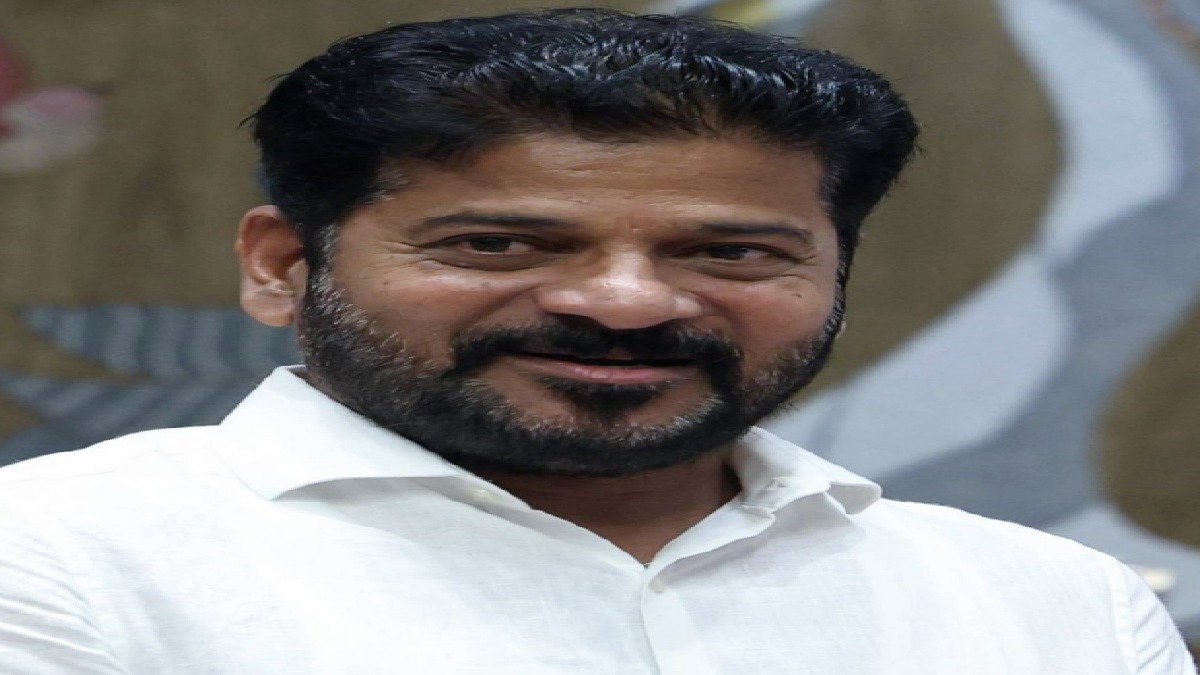
A proposal for a big temple for Prime Minister Narendra Modi in Patna has triggered a debate on politics, religion, public land and the way political leaders are celebrated in India. Dr Rajan Singh, the chairman of Bihar's State Transgender Welfare Board, said that the project would cost around ₹112 crore and would be constructed on five acres of government land in Patna and a gold statue of Modi would be there to match the Prime Minister’s height.
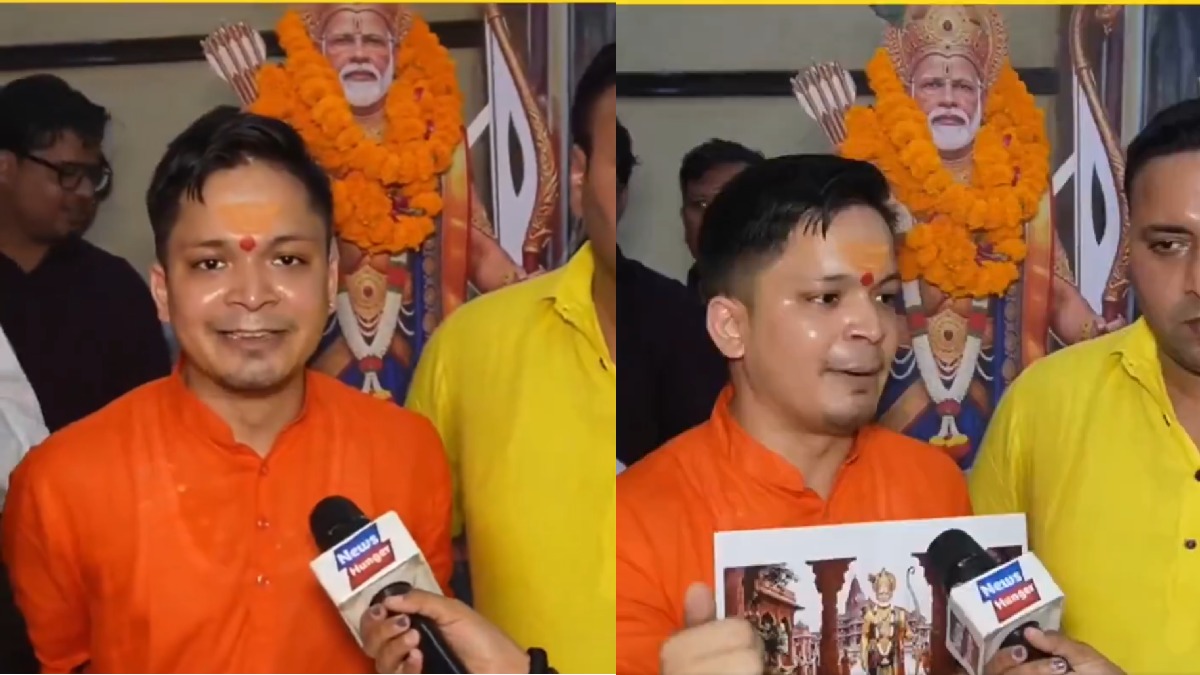
It became a proposal that has been viewed as highly attractive not only because of the high cost but also because of the stated motivation behind the project. Dr Singh linked the proposed temple to his gratitude for policies that he feels have been beneficial to the transgender community.
The plan can be understood as a gift to the Prime Minister and to the government. The gold idol is supposed to be the main attraction of the temple and it is a very different kind of political tribute as well.
We should still distinguish between a proposal by a person on the board being made and government funding for the project. As far as we know there is no official announcement of government sanctioned funding for the ₹112 crore temple. There is no indication that the government has given the final approval for construction on the proposed site. The proposal is now subject to the administrative, legal and land-use process.
Government land has become one of the main issues concerning the proposal. If public land is finally used for such a project, then the legal framework governing its allocation and whether a site for a religious structure devoted to a living political leader can be used in this way would be questioned. And political parties, civil society groups and public organisations would probably be concerned about this decision.
The proposal has also reopened a larger debate on the relationship between political admiration and religious devotion. Temples built for living persons are unusual and often controversial; they can make political leadership appear to be a sacrament or a symbol of religious worship. The gold statue and the enormous projected cost of this statue have only served to heighten the debate about whether public expressions of gratitude should be religious monuments.
The incident is happening on the back of another recent public event on Modi. A “Modi Chalisa” programme at Delhi’s Press Club was held in front of a cutout of Modi. The event was stopped after the organisers were accused of violating the terms under which the venue was rented. There were discussions on social media about whether political admiration crossed the line into personality worship.
Online thoughts on the Bihar offer have been divided as well. Some people had also come to regard the proposed temple as an act of gratitude and a personal gesture of admiration. Some have questioned the wisdom of spending so much money for a monument to a living politician. There has also been concern that government property would be used and the public finances would have to be used in this project.
The transgender community’s inclusion in the debate has added another dimension to the debate. Trans people in India have historically been discriminated against, excluded from the mainstream and unable to access public services. So supporters of the proposal might regard recognition of policies affecting transgender people as a reason for celebrating political leadership. But critics say government programs can be expressed in the form of community centres, scholarships, healthcare programmes, employment initiatives or other welfare programs and not in a temple.
We also raise the question that political leaders are remembered for their work while they’re in office. Democratic systems have traditionally separated political power from religious institutions even if people have strong personal beliefs about a leader. So building a shrine around a politician who has been in office can be uncomfortable at best in terms of personality cults and political veneration.
"बिहार में 112 करोड़ की लागत से बनेगा मोदी जी का मंदिर... भगवान श्री नरेंद्र मोदी साक्षात रूप में आशीर्वाद देंगे"
— Felza Pathan (@Firozakpathan) August 21, 2026
सोशल मीडिया पर वायरल इस वीडियो को देखकर समझ नहीं आता कि हंसें या सिर पीट लें...
यह बंदा पूरे कॉन्फिडेंस के साथ दावा ठोक रहे हैं कि बिहार में पीएम मोदी का 112 करोड़… pic.twitter.com/iO5ZFKh6FB
The proposed ₹112 crore Modi temple is still a plan and not a government-backed construction project. It would be built through official permissions, land-related decisions, funding arrangements and other regulatory requirements. But until those are crystal clear, claims about government expenditure or construction need to be treated very cautiously.
Whether the project eventually gets done or is just an announcement, it has already created a lot of public debate. The discussion does touch on a wide variety of sensitive issues: transgender welfare, political loyalty, religious expression, public land and an increasing tendency to celebrate our politicians through a lot of symbolic gestures. The contrasting reactions to the proposed temple and the “Modi Chalisa” event reflect how divided public opinion can be when political admiration goes to the level of religious symbolism.