A seemingly ordinary cake rush at a shopping mall has triggered an unexpected debate on social media, as people ask why educated and financially comfortable shoppers would gather around a piece of cake. It has been captured on video and widely discussed online because of the unusual scene, but also because it raises larger questions about consumer behaviour, social status and the psychology of discounts.
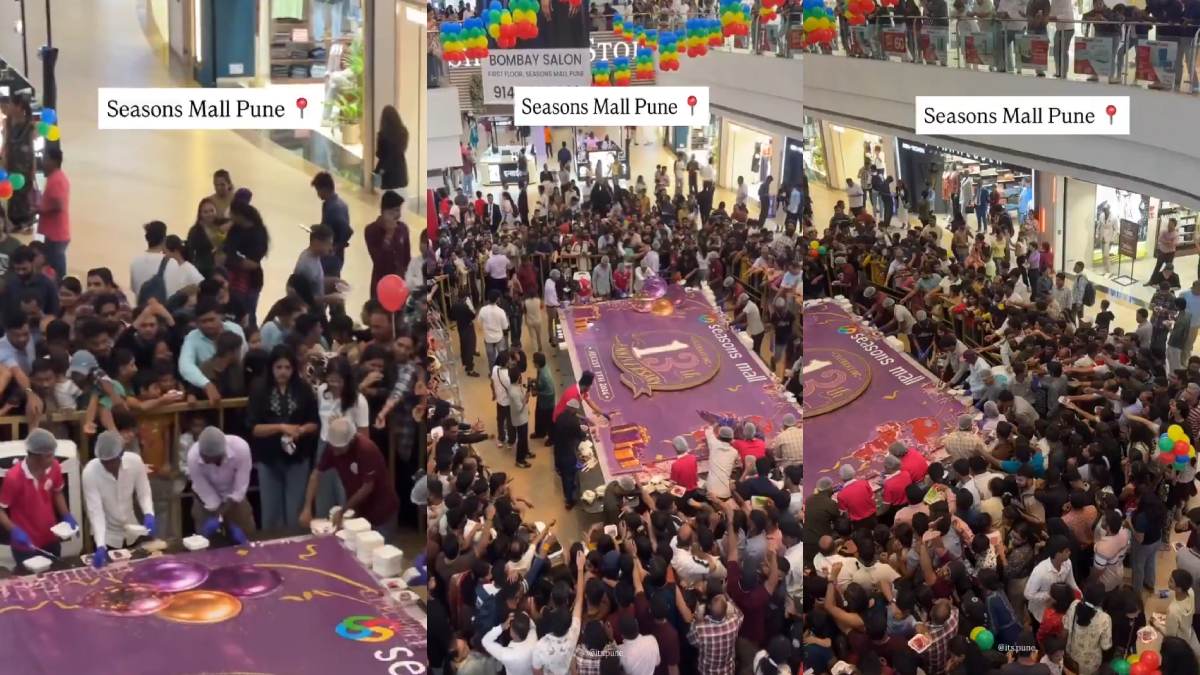
The images of shoppers gathering in huge numbers around a cake counter have prompted some people to use the term “bhukkads,” which is a colloquial term that is often used to characterize people who are too eager for food. Most of the criticism has been on the apparent disparity between the shoppers' presumed economic status and their eagerness to push, queue or compete for a relatively inexpensive food item.
But the debate is far more complex than just the label “greedy” or hungry. There are crowds surrounding promotional offers in shopping centres, supermarkets and online marketplaces in stores and malls. So whether it is food, clothing, electronics or cosmetics, the promise of getting something at a much lower price can give people urgency.
Psychologists and consumer behaviour experts have repeatedly recognized that discount offers can affect decision-making even when shoppers don’t need the product. FOMO is the fear of missing out on an offer that arises to people when they see others rushing towards an offer, and they may also think the deal is especially valuable and so more people will join the crowd.
Food can help to make the phenomenon even more visible. Food is an instant and universal purchase; unlike many luxury products. A popular cake (one with a well-known brand or a special promotion) can attract customers who may not have much interest in the product. And the social aspect might also be part of the equation—everyone participates just because everyone else is doing so.
But the mall incident has raised a question about wealth and behaviour. Do good education and a stable income come with the expectation of behaviour and therefore we would behave differently when confronted with a deal? And many social media users seem to think so, saying people who can afford high-end brands should not be seen scrambling for discounted or free food.
Others have rejected that argument, saying there is nothing wrong with getting a deal no matter what one's income. Being financially comfortable does not mean someone will pay more than they need to. Many wealthy consumers are very cognizant of value and discounts. Saving money on everyday things is a financial decision rather than a sign of deprivation.
The incident also illustrates the changing culture of shopping malls. Malls are no longer just places where consumers buy expensive products. They have become entertainment venues and social destinations, hosting the kind of festivals we have seen in the past, promotional events, celebrity appearances and limited-time deals. These kinds of events can attract large crowds, regardless of the customer’s income.
At the same time, that debate raises questions about public behaviour in crowded spaces. Enjoying a promotional offer is one thing, but pushing, shouting, cutting queues or making an uncomfortable environment for others can quickly turn an ordinary sale into an unpleasant experience. Social media users have thus been more concerned with the cake and less so about whether shoppers really behaved.
Why are so-called educated and cultured people who can afford to go to a mall and splurge on big brands crowding and behaving like bhukkads just to get a piece of cake? 😒😒
— Vedvrat (@I_am_Vedvrat) August 20, 2026
Location: Seasons Mall, Pune pic.twitter.com/ttl2YsBfpx
The viral discussion speaks as much about our online culture as it does about the mall crowd. A few seconds of video can make assumptions about people’s income, education and personality without any context on the incident.
Calling an entire group of shoppers “bhukkads” may generate engagement; it can also oversimplify a situation that may have been a case of people simply taking advantage of a popular promotion.
Perhaps the more interesting takeaway is that the lure of a good deal goes across social and economic lines. Whether it’s shopping at a luxury store or waiting for a discount at a food counter, consumer psychology of getting more for less seems to be very common.
The mall cake rush may then be less about hunger and more about human behaviour. The episode has certainly provided social media with plenty to debate: when does bargain hunting become excessive, and does financial privilege change how people are expected to behave? For now, the “bhukkad” label has added a humorous but controversial angle to what might otherwise have been just another crowded mall promotion.