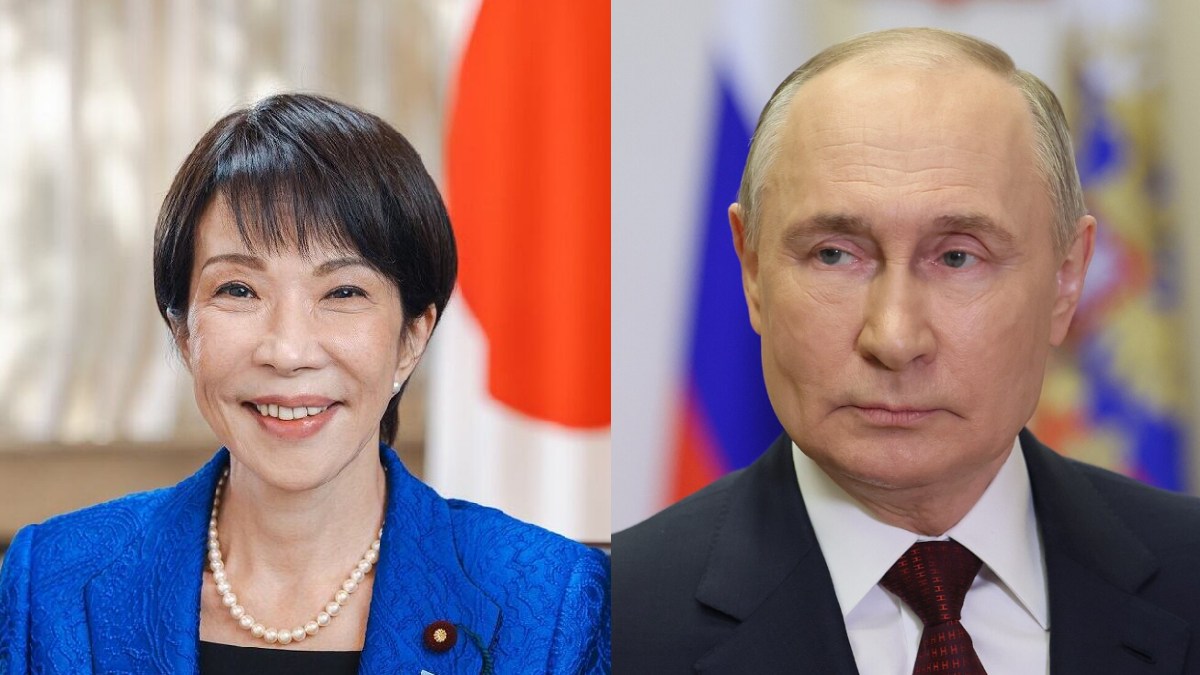
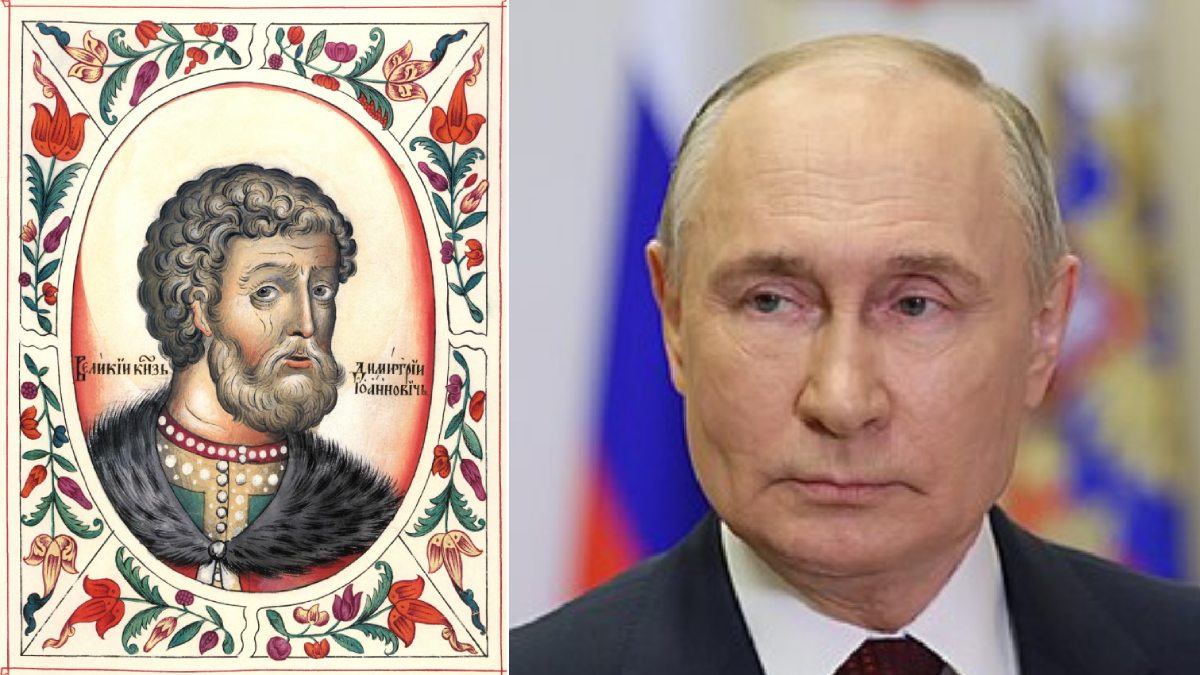
Russian President Vladimir Putin recently visited the historic Donskoy Monastery in Moscow to pay his respects to the final resting place of Grand Prince Dmitry Donskoy. The visit brought together Russia’s current political leadership and a major part of the country’s medieval history and reminded us that the people in the modern day world with whom the state is formed and defended are also very much part of the history of Russia.
The Donskoy Monastery is one of the most historically significant religious places in Moscow. It has been active since the late 16th century and has played an important role in Russia’s religious, cultural and political history. Its site of historic monuments and burial sites makes it a particularly interesting location for people interested in getting into the past of Russia.
Putin honored Dmitry Donskoy, the Moscow prince, who is known for his military and political career as well as his military leadership of medieval Russia. Dmitry Donskoy ruled Moscow from 1359 until he died in 1389 and was known for his role in the Battle of Kulikovo in 1380. The battle is one of the most important events in medieval Russia and is deeply embedded within the country's historical memory.
Dmitry Donskoy's reputation is closely linked to the fight of the Russian principalities against Mongol-Tatar domination. At Kulikovo, an army with Mamai as its leader was defeated. Although the victory did nothing to end Mongol rule over the Russian territories, it was a landmark victory and an important part of Dmitry's historical record.
The prince’s relationship with the Russian Orthodox Church is also a huge part of his legacy. Dmitry Donskoy was very well connected to religious figures of his time, in particular Sergius of Radonezh, who is traditionally said to have blessed the prince before his campaign against Mamai. And centuries later the Russian Orthodox Church canonised him.

Putin’s visit to the monastery therefore has wider significance than a mere visit to a historical site. Russian leaders’ trips to historic sites belonging to major figures of the country’s past are reminders of the continuity and national heritage. Dmitry Donskoy is therefore an especially powerful symbol because his military leadership, political consolidation and religious tradition are closely linked.
Donskoy Monastery itself has undergone a lot of changes throughout Russia's history. It was founded during the reign of Tsar Fyodor I and was initially built as a fortified religious palace. It became an important spiritual centre and eventually became a major architectural and historical landmark in Moscow.
It is also noted for the number of prominent Russian figures buried there. Writers, aristocrats, military leaders, politicians and cultural people have been laid to rest in the monastery and its historic cemetery. The place is so unusual in Moscow’s cultural landscape: it is where religion and national history come together.
For Putin himself, the tribute to Dmitry Donskoy also is emblematic of the Russian government’s larger focus on historical figures and national traditions. Russian official rhetoric over the years has often recalled historical episodes from the country’s past when the country’s unity, sovereignty and statehood are raised by talk of nationalism. Medieval rulers such as Dmitry Donskoy have a special place in that historical narrative.
Dmitry Donskoy’s life is also associated with the rise of Moscow’s influence on the Russian principalities. Moscow became more powerful and stronger under his rule. This is why historians say his reign was one of the key periods of Moscow’s slow development into the center of the Russian world.
The visit also reminds us of the continuing role of historic religious places in modern Russia. The Donskoy Monastery is not just a monument to the past; it is a living religious enterprise and a core element of Moscow’s identity. Its architecture, burial grounds and religious traditions attract visitors with a great interest in Russian Orthodoxy and history as well.
Putin’s tribute to Dmitry Donskoy thus connected a modern Russian leader to a medieval ruler whose name is as old as the world: for centuries. The visit also highlighted how historical figures still play a role in Russia’s concept of the past while the Donskoy Monastery was a symbolic site for remembering one of Moscow’s most celebrated grand princes.
In Russia’s efforts to keep up its historical heritage and reinterpret it, the Donskoy Monastery remains an important landmark where the country finds its religious heritage, political world, and military history. Putin’s visit showed that the ties between Russians and the people whose lives are still being cherished by the country’s memory still live on.