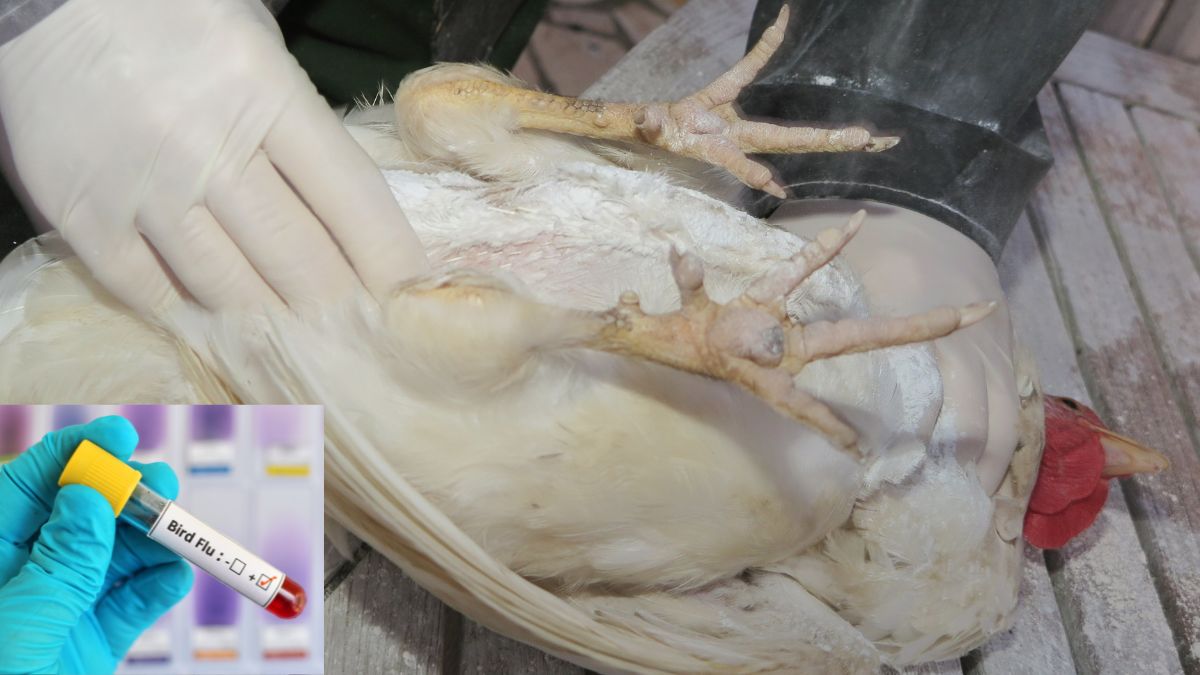
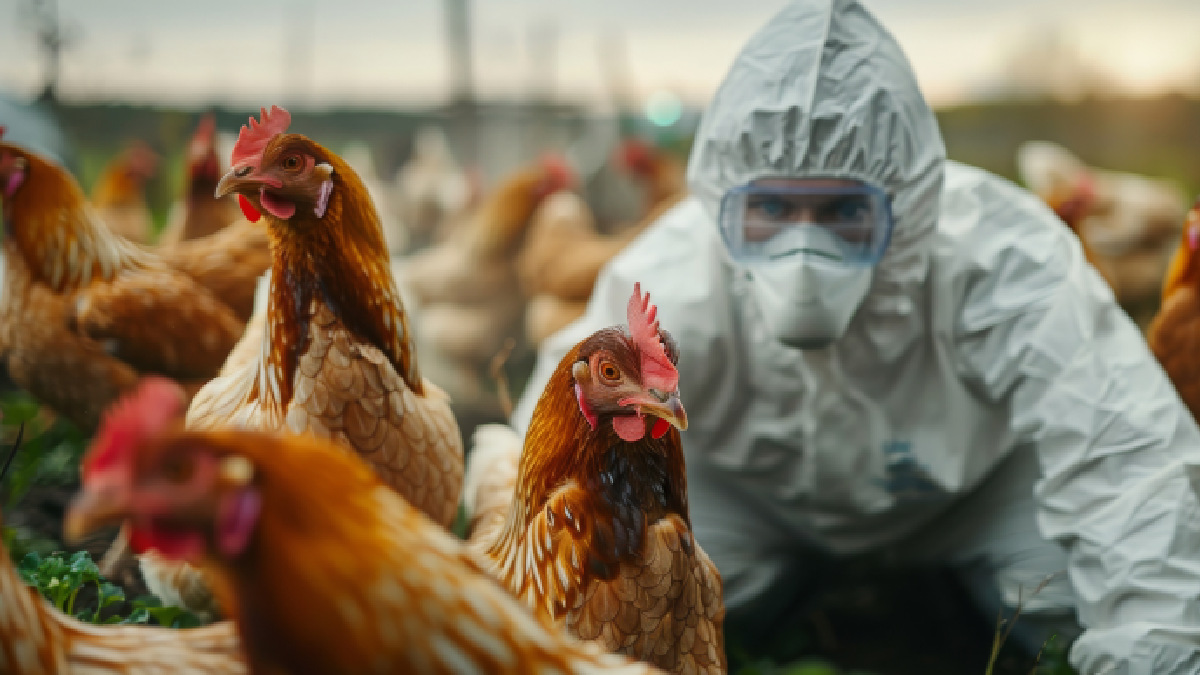
There has been a new surge of alarm in Karnataka with the report that a highly pathogenic H5N1 avian influenza virus was detected upon inspection at a government-operated poultry farm in Hesaraghatta outside Bengaluru.
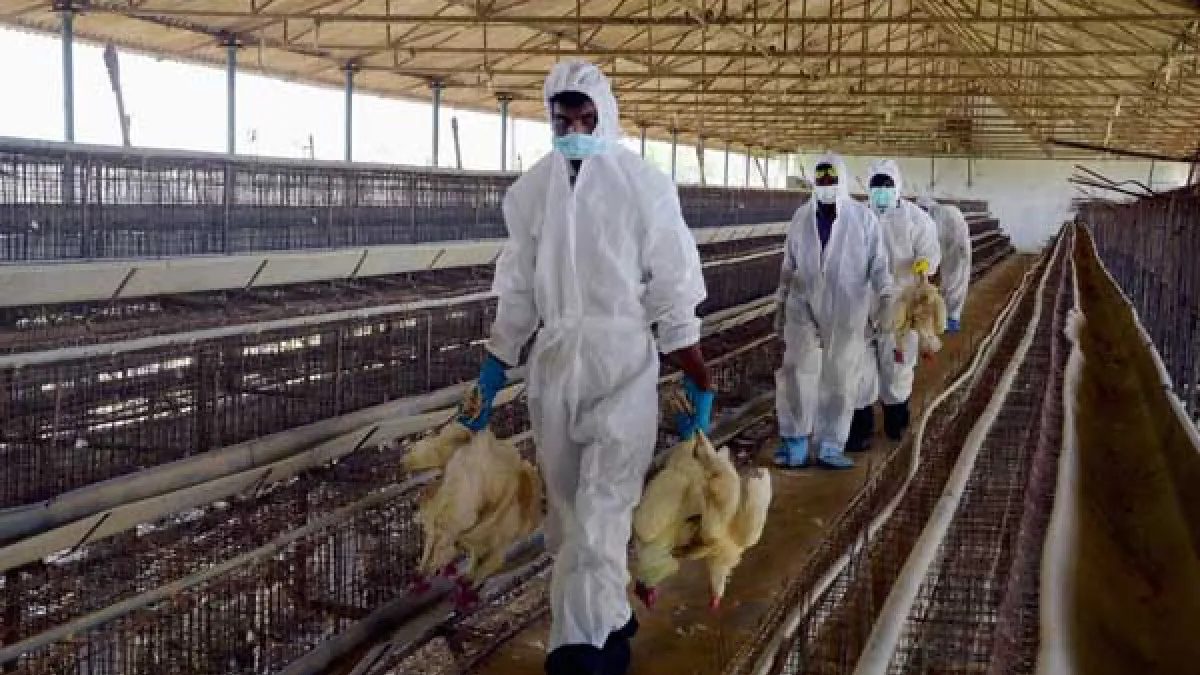
The virus has led the authorities to take immediate action, temporarily shutting down the plant to protect humans and continuing to monitor this statewide. Routine inspections conducted according to regulations issued by the central government revealed the virus and reported it.
Officials said several of the birds at the poultry farm tested positive for the H5N1 strain, one of the strains that has rapidly spread, and in rare cases, to humans and other species. As it turned out, the poultry was supplied to several districts in Karnataka from the Hesaraghatta farm, and the government has fast-tracked its response to control its spread.
Traffic of poultry from the area has been limited, and strict containment measures have been instituted. Veterinary teams have come to inspect the local poultry farms, and surveillance has also been deployed to local chicken markets and retail stores to try to contain any infections. Health officials are further strengthening this effort by placing employees at the poultry farm into quarantine.
They are also being watched by medical teams for signs of infection. Concurrently, an awareness campaign has been carried out under village council control, alerting residents at the village level on the surveillance and safety issues. The higher temperatures can speed up the spread of the virus, experts say, meaning early containment is crucial.
Bird flu or avian influenza, often transmitted from birds, can in serious cases also be transferred to humans from infected animals or from animals and humans through or on contact with infected surfaces. While infections in humans are rare, early detection can have serious consequences.
“Authorities should take preventive measures to reduce the risk. DO NOT touch sick or dead birds, and inform the local authority of the unusual bird deaths on the spot. Good hygiene is critical; regularly washing hands with soap and using sanitisers, plus having cleanliness in and around the home, is a great way to significantly lower your chances of getting an infection. Another big issue is food safety.
And authorities recommend preparing poultry products, eggs and chicken well before they are eaten. It also means that raw or undercooked meat and eggs should not be eaten--raw meat or eggs whenever you can, are best avoided at all costs. Consumers should be encouraged to buy poultry from inspected sources and only purchase poultry from qualified, certified suppliers. Karnataka state government officials have assured the public that all measures would be taken to prevent the outbreak from happening and stop its expansion. But it has also warned the public to remain informed and follow official guidelines, not to “panic.”