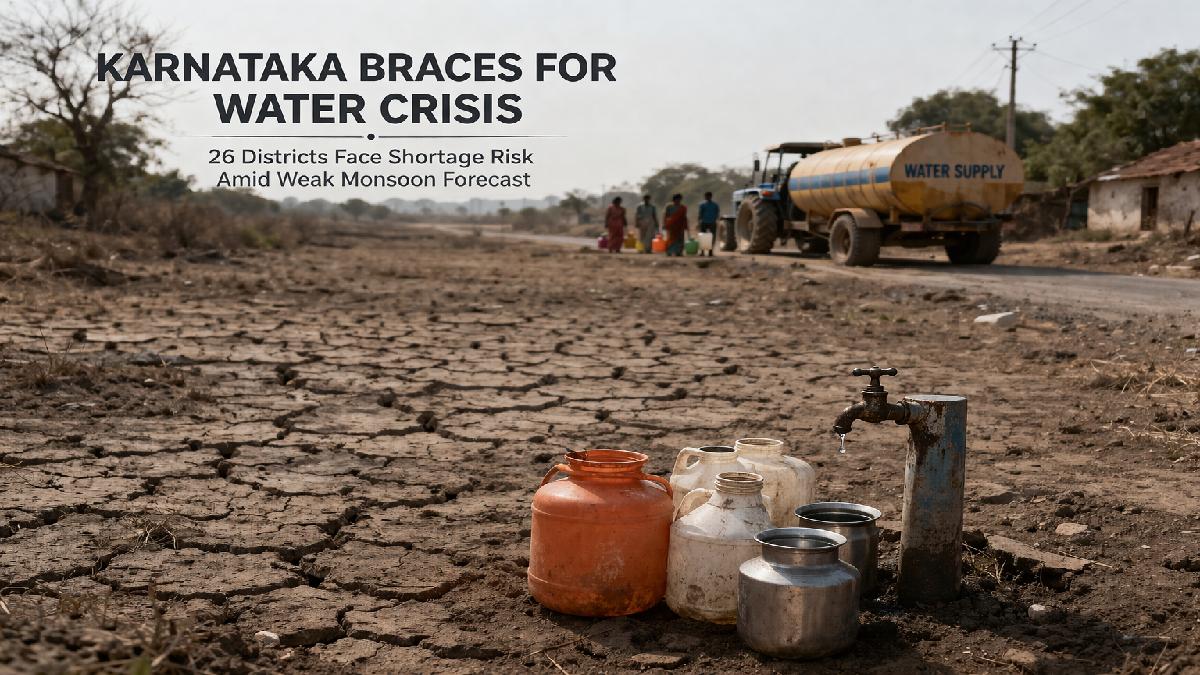
Karnataka could confront a drinking water crisis this year on forecasts of a weak monsoon, causing concern across several districts. Chief Minister Siddaramaiah has sounded the alarm about this, warning that up to 26 districts could suffer severe water shortages in the coming months.
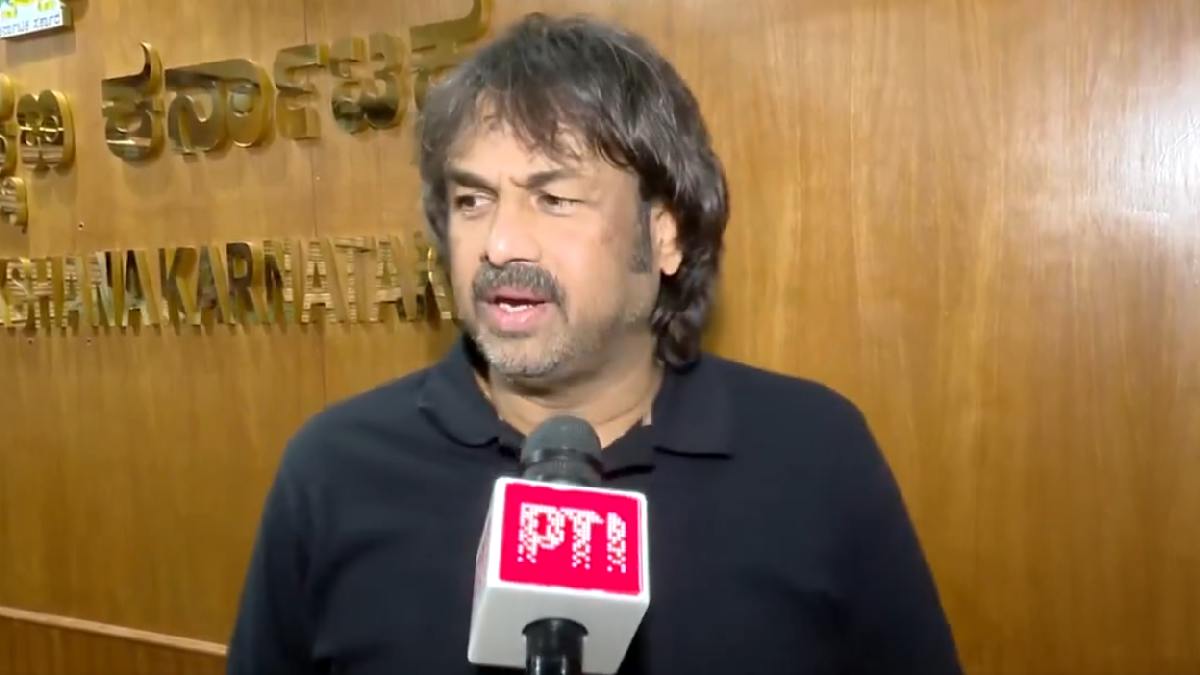
At Vidhana Soudha, the Chief Minister delivered a high-level video briefing on preparedness with district in-charge ministers, deputy commissioners and Chief Executive Officers of Zilla Panchayat. He issued very strict instructions for dealing with it proactively and efficiently on a large scale.
Emphasising the severity of the circumstances, Siddaramaiah indicated in the statement that Deputy Commissioners (DCs) shall directly answer for any lapses in drinking water supplies in their districts. 213 taluks and 2,410 gram panchayats are being tagged as being threatened by lack of rain, or facing future drought, according to official records.
Alarmingly, 114 taluks are already in severe shortage, and water is even reaching at least 137 villages thanks to tankers. Despite the impending crisis, the Chief Minister said funds for water management were available without any shortage. Approximately ₹419.5 crore in Personal Deposit accounts of the district administrations, which meet the drinking water needs, are available in PD accounts.
He said drinking water must take precedence over agriculture and other uses. To provide an effective water supply authorities have been urged to look for alternatives, such as renting borewells (private units). Tanker supply, he added, would be a mere last resort. To avoid going into an emergency mode and making best use of available resources, the government is hoping to use resources more effectively.

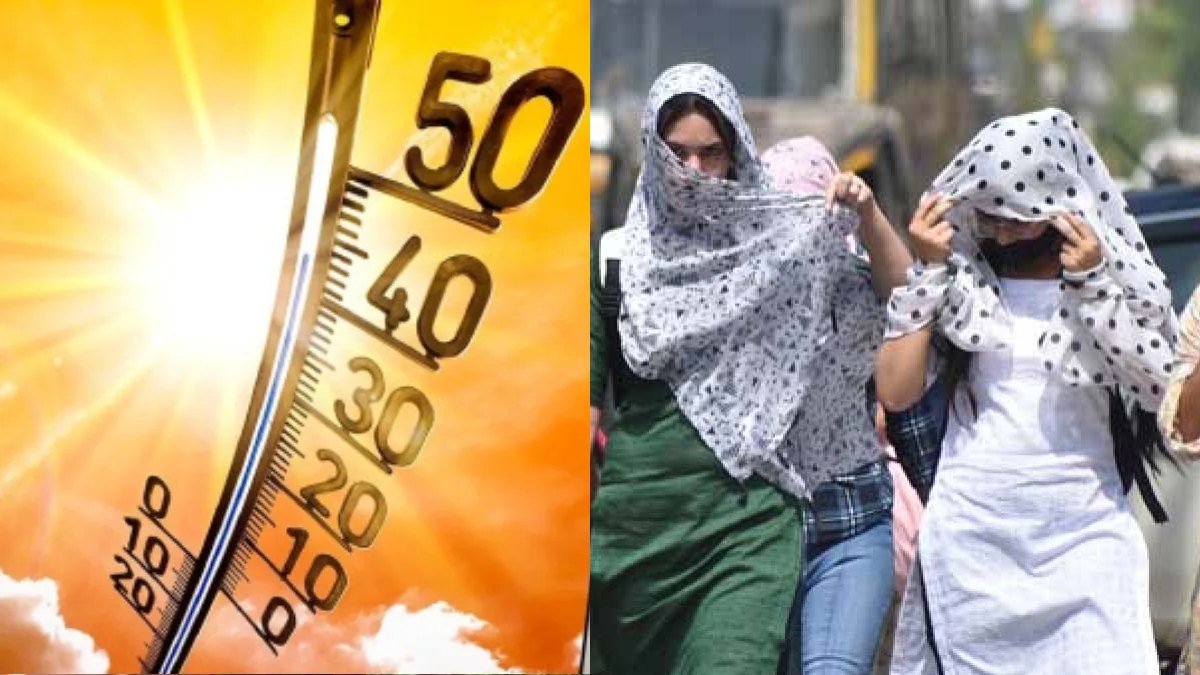
Adding to the trouble, there is a significant heatwave projected for numerous parts of North Karnataka, affecting the state mainly during April to June. Officials have been put under pressure to build plenty of public spaces, with plenty of shaded areas and water to get the people bathed in to protect them from extreme heat. Water levels in 14 major reservoirs in the state, according to the latest data, are at 321.93 TMC feet, 36 per cent of their total storage capacity.
This relatively low level highlights a need for effective water conservation and distribution strategies. ‘Responsive governance is very necessary,’ emphasised the Chief Minister. Authorities are to report complaints within minutes, and have set up control rooms in the taluk and wards to closely supervise the situation. It also emphasised the need for RO (Reverse Osmosis) water purification units to work regularly, maintaining power connections at all times.
Karnataka will struggle to cope with a combination of weak monsoon and record temperatures, so the government will need to prioritise resource management. At this point, with a small handful of early warnings, the hope is that measures taken now could help mitigate the impact of what is thought to be an unavoidable water crisis through cooperation and goodwill.