Bhopal: How much will followers on Instagram, Facebook, X or YouTube determine who gets an organisational position in a political party? A proposal of Bharatiya Janata Party (BJP) MLA Mahendra Singh Yadav in Madhya Pradesh has triggered a debate about the growing role of social media in party organisation and political leadership.
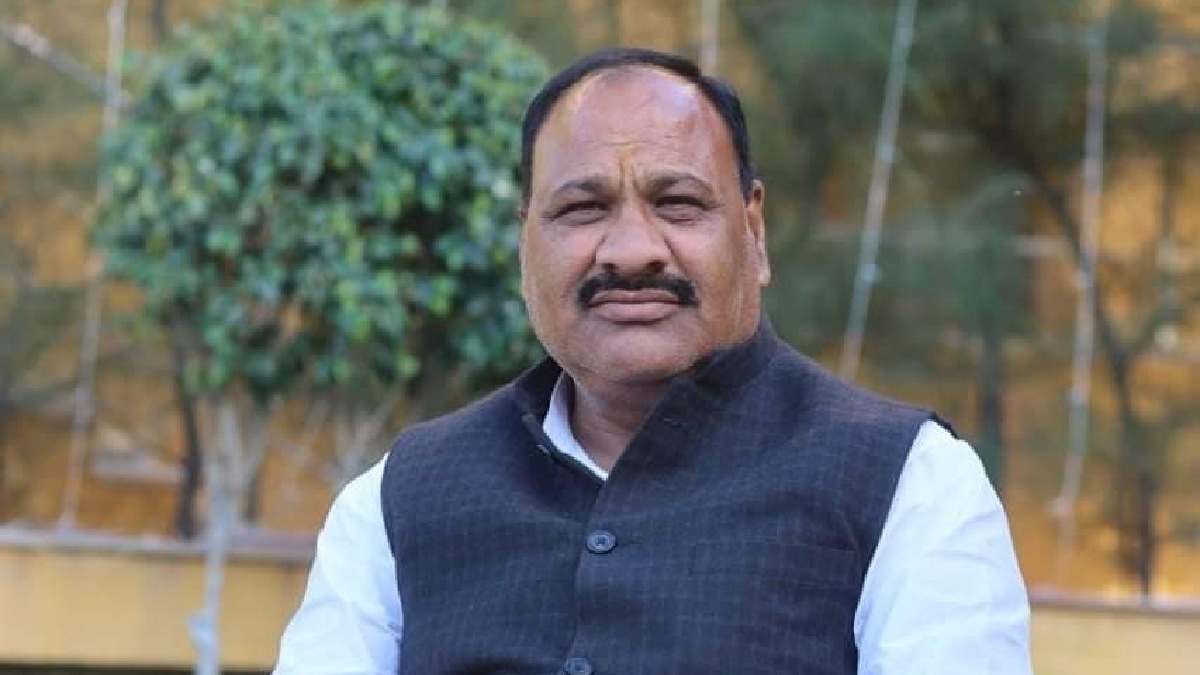
Yadav, the BJP legislator from Kolaras in Shivpuri district, has suggested a “digital report card” system according to which a party worker’s social media reach could become an important criterion for appointments to grassroots organisational posts. The proposal has received attention because it puts measurable online popularity alongside conventional indicators of political work, such as public contact, organisational experience and mobilisation at the booth level.
According to the MLA, a Mandal president would need at least 25,000 followers on social media platforms. Likewise, a booth president would need to have 1,000 followers. Yadav also added that the workers who occupy the job might face consequences if they don't achieve the digital reach required.
The reported proposal has raised questions whether social media numbers could be a formal part of the BJP’s organisational evaluation process in Madhya Pradesh or whether the suggestion is a leadership perspective or a local experiment. There is no indication in the material that the BJP has formally announced a statewide rule making follower counts mandatory for organisational appointments.
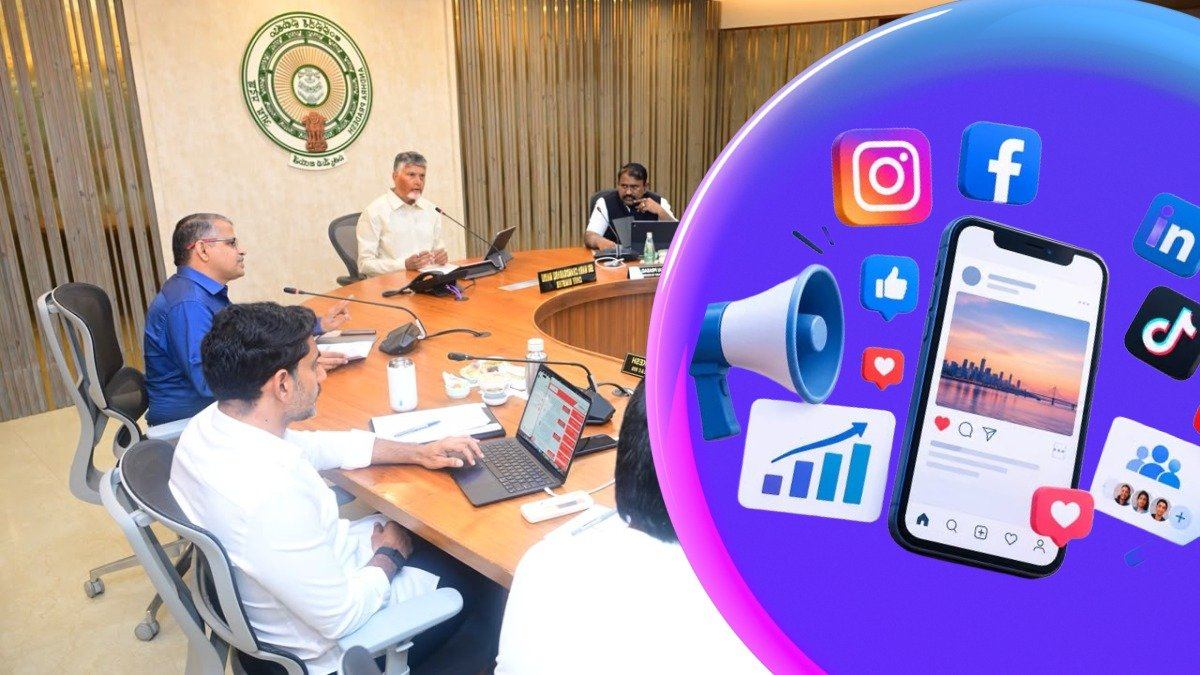
But the controversy indicates a radical transformation that is taking place in Indian politics. Social media platforms are now more and more at the centre of political communication that leaders and parties use on Instagram reels, YouTube videos, Facebook posts and X updates to communicate directly with supporters and voters.
For political organisations, online platforms offer an immediate way to promote programmes, respond to political changes and promote the activities of local workers. Short-form videos are particularly popular to younger audiences. Political messaging that was based on rallies, posters, newspapers and local meetings used to attract thousands or even millions of people in hours can now be reached within a few minutes.
The BJP also has been investing in digital training and technology-oriented organisational initiatives. A recent report from Madhya Pradesh said the party had carried out digital training and online assessment for large numbers of booth- and Mandal-level workers through its organisation app, reflecting the wider drive in digital capabilities among the party’s grassroots cadre.
But the use of follower numbers as a marker of political effectiveness raises several questions. A large number of followers does not mean a political worker has a large constituency. Followers can be out of the leader’s electoral area, and local political influence is always founded on personal connections, community involvement and sustained grassroots work.
There are also concerns about the reliability of social media metrics. Followers can be inactive, duplicated or obtained through paid campaigns. A video could get a lot of views but not necessarily support at the polling booth. A viral post may get a lot of attention for a few days but political organisations need people who can push people, understand local issues and maintain relationships with voters much longer.
This can lead to an awkward clash in digital popularity with grassroots politics. A booth-level party worker, for instance, may not have a huge online presence but have good relationships with residents and have a major role in elections. On the other hand, a big digital presence on the part of a party worker can be very well-positioned but has a small scale of organisational reach on the ground.
The debate is especially important for political parties to connect with younger voters— Gen Z and the first-time voter. For this audience, social media is a major source of political information and political personalities are regularly seen in short videos, reels, livestreams and other digital forms.
Yadav’s proposal could thus be seen as part of a wider shift in how political parties measure communication and outreach. If online performance becomes an organisational metric, party workers may have greater incentives to produce regular videos, increase engagement and build personal digital brands.
At the same time, critics would argue that politics can’t be reduced to algorithms, likes and follower counts. Electoral success depends on a combination of factors including local credibility, organisational discipline, public service, issue-based campaigning and the ability to engage with voters away from social media.
The issue has also come at a time when both BJP and Congress are looking to strengthen their grassroots networks in Madhya Pradesh. The Congress is doing booth- and village-level outreach campaigns, and the BJP is continuing to point out its vast organisational setup.
Whether the “digital report card” concept remains a local proposal or becomes part of organisational conversation remains to be seen as well. For now, the comments have opened up a larger discussion into what political leadership should look like in the social media age.
If follower counts and digital engagement become part of organisational evaluations, political workers may find themselves judged by two different report cards: one based on their work among people, and another based on their performance online. Political parties will have to strike a balance between the two without allowing social media popularity to completely overshadow grassroots credibility.