A political storm has set in after Mallikarjun Kharge purportedly referred disparagingly to Prime Minister Narendra Modi. The BJP has severely criticized it and called on the Indian National Congress to remove its president Kharge from the party office.
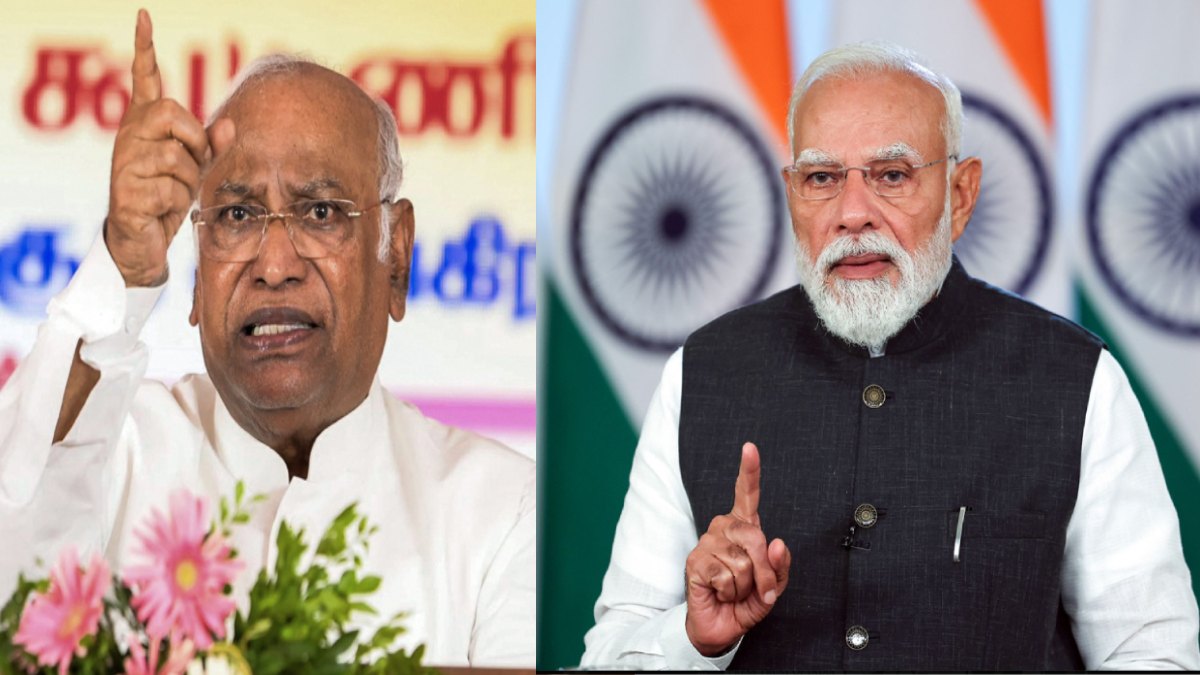
Leader of Opposition in the Karnataka Assembly R. Ashoka dismissed Kharge’s statements as “extremely insulting” and called for an immediate apology to the citizens of India. Language like that is unfashionable of a senior leader having a constitutional post and it is bad for the leadership of any party, he added.
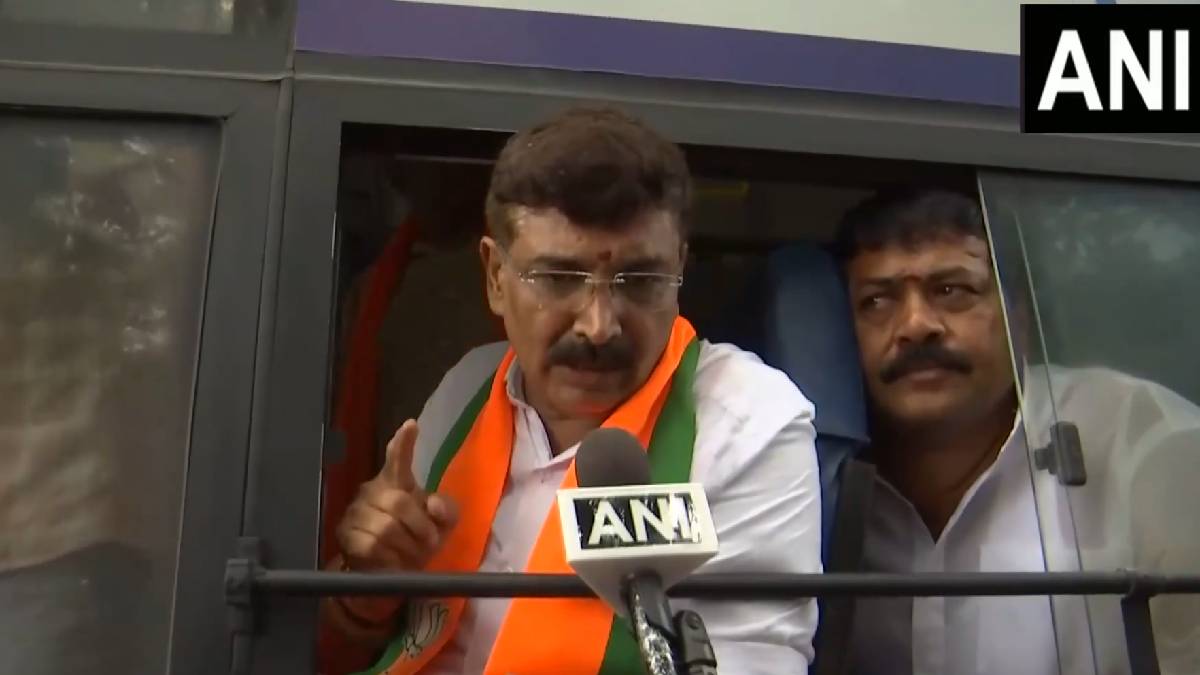
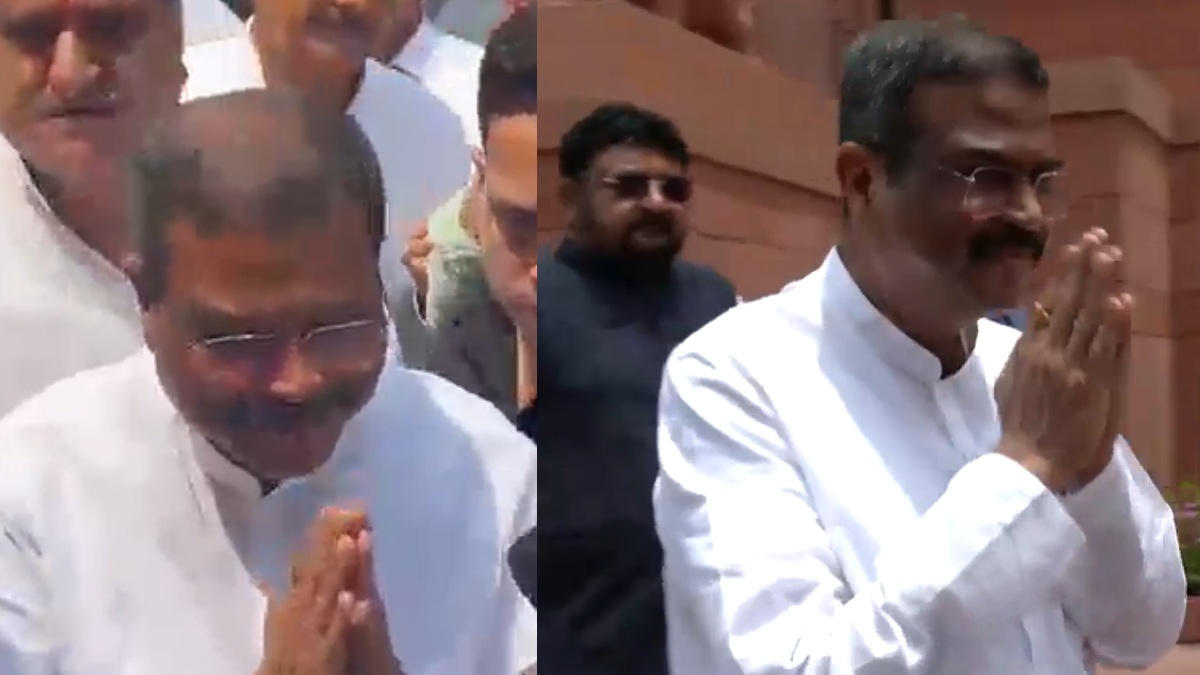
The BJP has also indicated its intention of organizing protests in Bengaluru, primarily near to a sculpture of Mahatma Gandhi in the grounds of the Vidhana Soudha. Party leaders say the demonstrations are intended to give a strong voice to those who oppose Kharge’s remark, and stir up public sentiment against what they feel is “derogatory political discourse.” BJP MP Lahar Singh Siroya also spoke out on the incident, calling it “highly insulting.”
He also extended that point about Kharge’s political motives to the extent that the remarks might be tied to the politics of the internal divisions or the positioning in opposition politics. BJP leaders meanwhile said such incidents stem from fear of electoral defeats, and point to anger that reflects frustration within the Congress party.
They say that the way strong and controversial language is employed is an indicator of poor politicking. On the other hand, the Congress party has thus far refused to respond formally to the BJP’s request for Kharge’s removal.
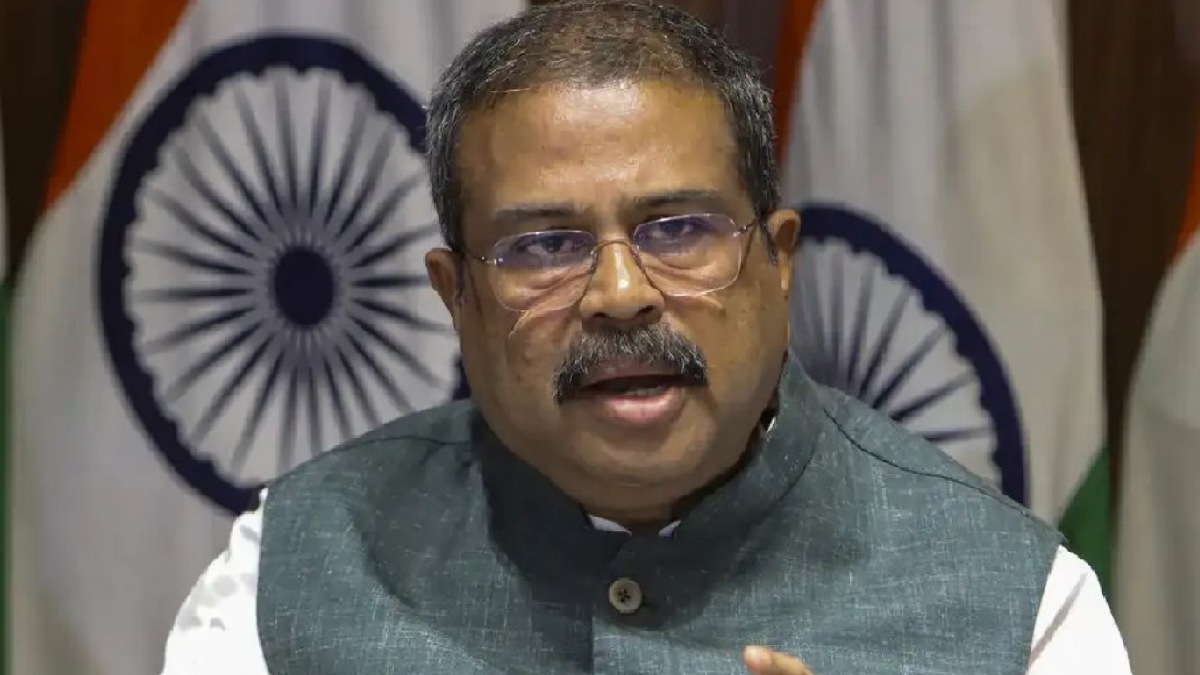
Such controversies, political observers have said, can actually inflame things between large parties before important contests. It also illustrates how charged the atmosphere of the political debate gets where personal comments seem to have an upper hand in political discussions. As the situation unfolds, it’s still to be seen whether Kharge will publicly respond or whether Congress leadership will take any internal measures.