The Bombay High Court has given interim relief to Union Road Transport and Highways Minister Nitin Gadkari in his high-profile defamation case regarding manipulated, artificial intelligence-generated deepfake videos of him. These digital files and social media clips have made it seem that the senior minister and his family had been unfairly associated with the ongoing national debate on ethanol-blended fuel supply. The court's single-judge bench consisting of Justice Arif S. Doctor has expressed strong disapproval of the material and said the material itself is vile, abusive and defamatory. The court has given explicit directives to big tech companies and online intermediaries like Meta Platforms and Google LLC to immediately purge and scrub all offensive URLs and files that were flagged by the plaintiff at the time of his interim application.
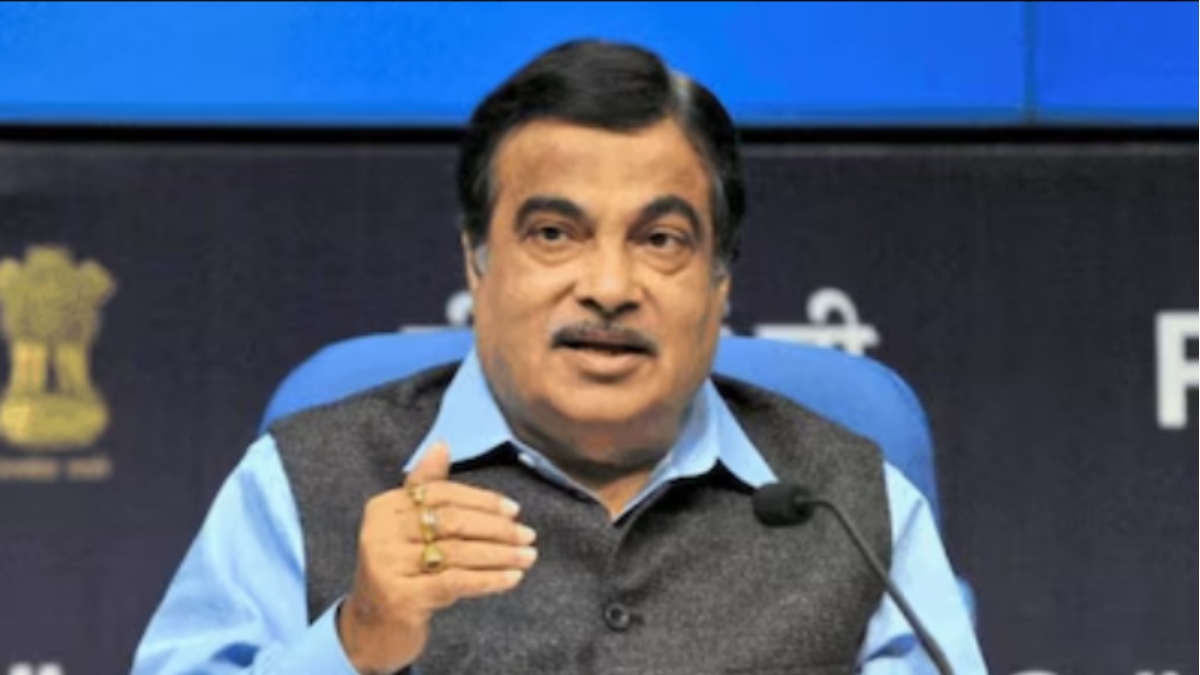
Looking at the gravity of digital misinformation, Justice Doctor said that such malicious and fabricated content is not acceptable in public media channels accessible to all of us, and to young people. Further expanding its protection, the court ordered that any duplication or mirrored circulation of the incriminated material would be halted and taken down immediately. To prevent future abuse, it directed defendant tech platforms to act promptly to respond to future grievances and that if similar abusive deepfake assets targeting Gadkari surface or attempt to be repurposed, they must be brought to the intermediaries for immediate remediation and removal.
The legal action stems from a full civil defamation suit brought by Gadkari against Meta, Google and X Corp as well as government officials for the digital materials that misrepresented his administrative sphere. The chief complaint is that the minister or his close relatives have been misrepresented through viral videos, synthesized voice clips and distorted graphics that show the minister and family making a profit from national policies on ethanol blending. In court, Gadkari denied that he had any executive power, administrative control or direct involvement in the Ethanol Blended Petrol programme or E20 fuel initiative and admitted that it was part of the Ministry of Petroleum and Natural Gas and not the Ministry of Road Transport and Highways. In a bid to get the government to take responsibility for the violation of his personality rights and public image, Gadkari had to apply to the court for a permanent injunction and damages of ₹11 crore.
The debate is centered on India’s use of the E20 fuel policy as a means to convert petrol pumps to a twenty percent ethanol profile. The central government has sought to make the green policy a central economic factor to help curb foreign crude oil imports, curb vehicle pollution and to boost indigenous agriculture biofuels production, but such a change has been met with extensive public discussion. The long-term mechanical compatibility of older vehicle engines and the overall economics of commercial ethanol refining has been the subject of ongoing debates. But the court’s intervention is at once a legal barrier between legitimate political commentary or policy critique and malicious, tech-enabled impersonation. The case faces further procedural review in court as the courts are becoming more critical of synthetic media misuse.