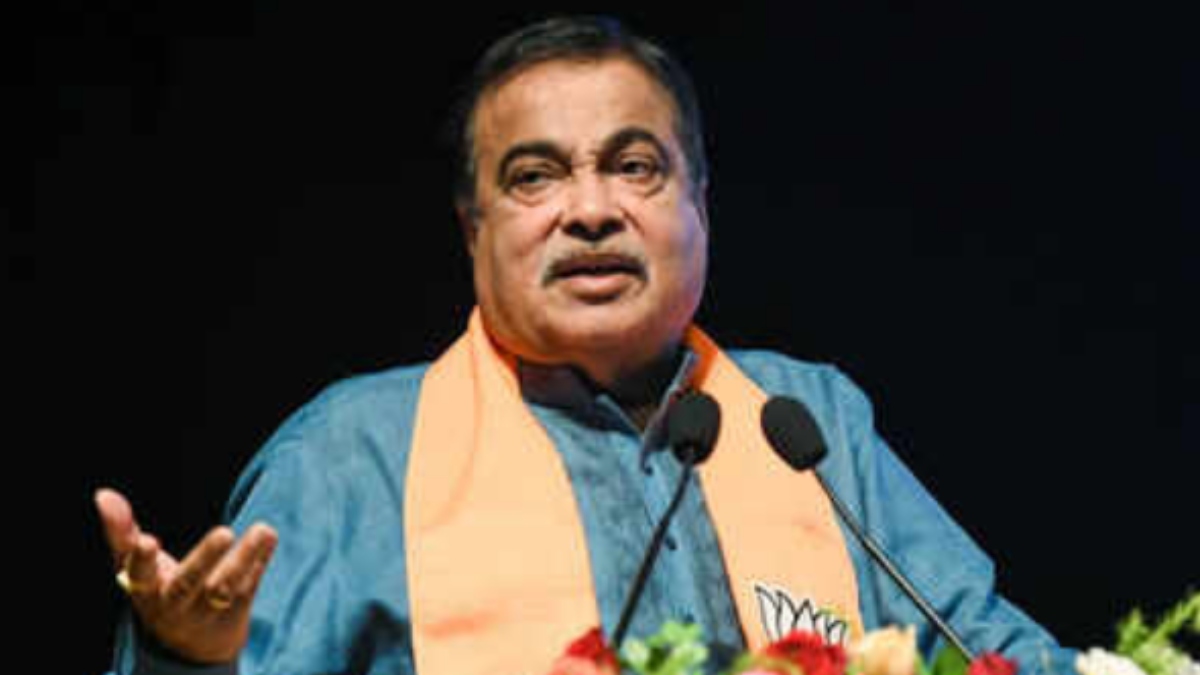
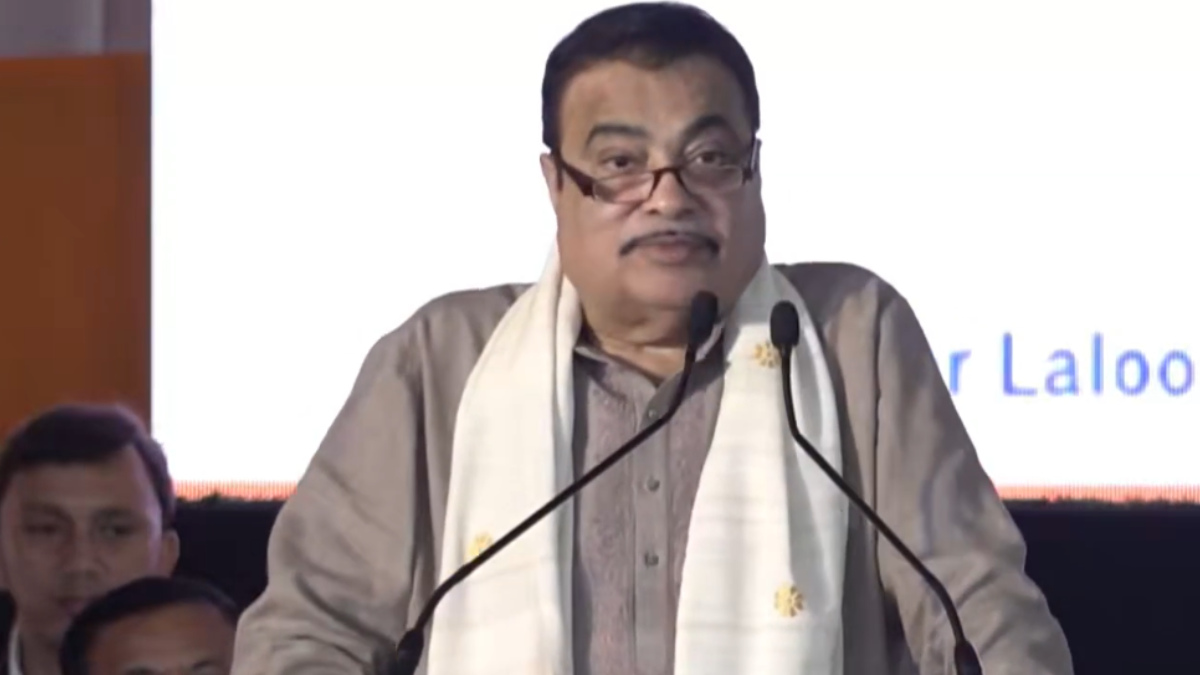
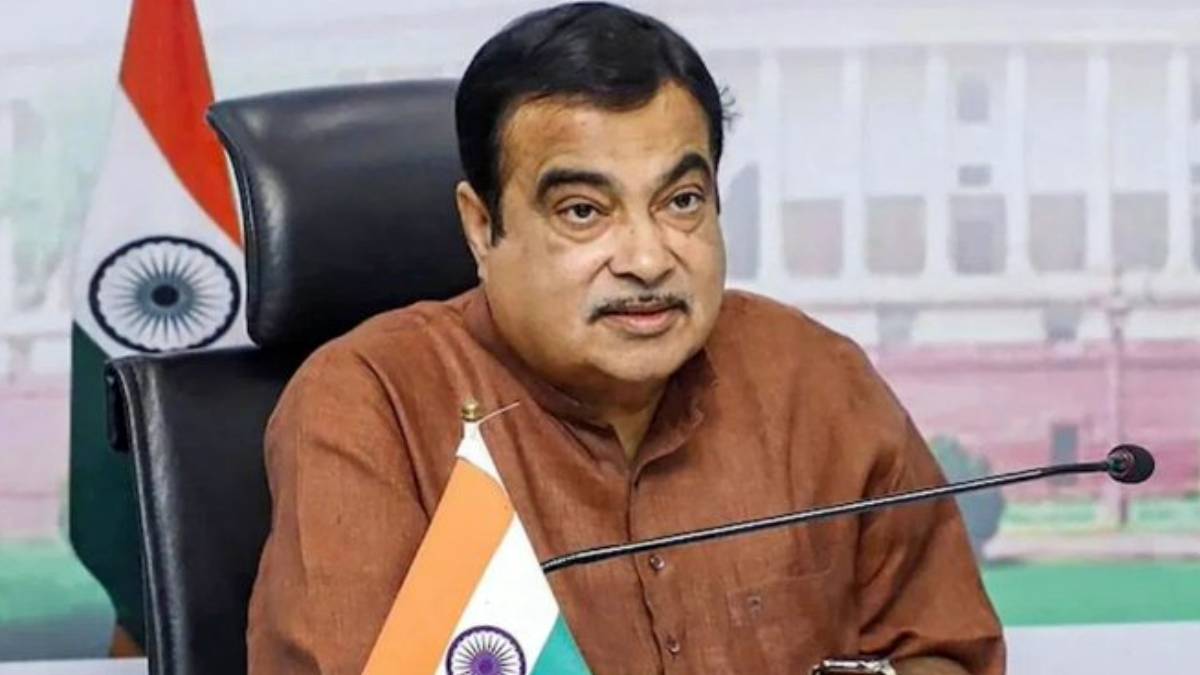
Union Minister Nitin Gadkari has petitioned the Bombay High Court for legal action against social media posts, deepfake images, videos and other online content that he says connect him and his family to financial gains from India’s E20 ethanol blending programme.
According to the petition filed before the High Court, the content on social media platforms, claiming that Gadkari and his family benefited commercially from the government's ethanol blending initiative, is false, defamatory and intended to mislead the public.
The lawsuit accuses several posts and manipulated images, deepfake videos, and other digital content of being posted online and generating what Gadkari describes as a campaign of misinformation towards him and his family.
A key point in the petition is that the E20 ethanol blending policy is administered by the Ministry of Petroleum and Natural Gas, not by the ministry headed by Gadkari. The viral claims wrongly attribute responsibility for the programme and falsely connect the minister and his relatives to alleged business profits.
The Bombay High Court has granted Gadkari a civil suit against Meta, other social media sites and unidentified individuals or entities who have been accused of creating and spreading the disputed content. The identity of these individuals and entities is to be identified through the evidence gathered from the platforms and through digital investigations.
The case highlights the increasing reality of deepfake technology, which can lead to digitally manipulated images, videos, and audio recordings that falsely depict people talking or doing things they never did. Public figures, government officials, and celebrities have increasingly turned to courts to seek remedies against such content.
Gadkari's petition asks for judicial intervention to stop the circulation of the allegedly defamatory material and hold those responsible accountable. Legal proceedings are required to establish the authenticity of the disputed content and to identify its creators and distributors and to assess whether the material violates applicable civil or other legal provisions.
The matter confirms the growing scrutiny of social media platforms about misinformation and manipulated content. In recent years, courts have heard about fake news, impersonation and deepfake media in India, particularly when those types of content can affect the reputation of individuals or can be misleading to the public.
The High Court’s decision to allow the civil suit to proceed doesn’t mean that the allegations in the online posts are true or false. It only means that the legal process will proceed so that the claims of both sides can be brought before the court.
As the case progresses, notices may be issued to the concerned platforms and the other parties who might wish to respond to the allegations made in the suit. The court will then consider the evidence presented before deciding on any interim or final relief.
The proceedings will be closely watched, with artificial intelligence-generated content becoming a more common form of content and the legal issue of liability for misinformation spread through digital platforms.