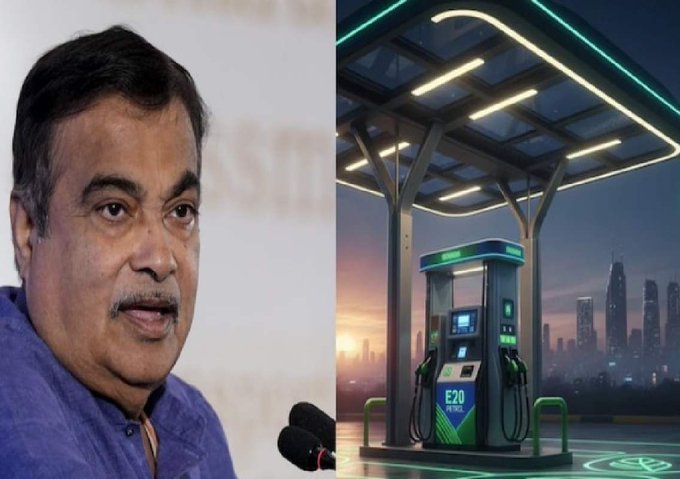
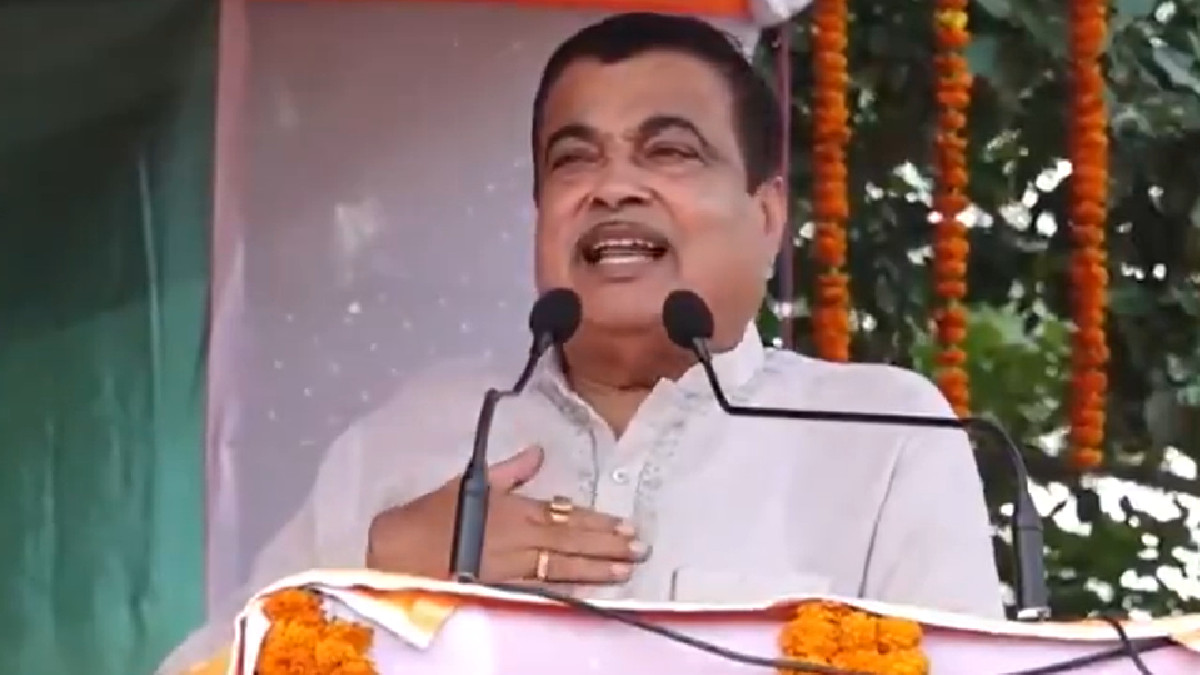
India’s electric vehicle industry could become one of the country’s largest economic growth engines in the coming years, with the market expected to potentially reach Rs 20 trillion by 2030, the Union Minister for Road Transport and Highways Nitin Gadkari said.
Gadkari said the rapid growth of electric mobility could also create employment opportunities on a massive scale, with the sector having the potential to generate 50 million jobs. The minister’s comments underline the government’s broader aim of changing India’s transportation system and developing a domestic manufacturing and employment base around clean mobility.
The projected growth is an opportunity for India to reduce dependency on imported fossil fuels and move towards cleaner transportation. Electric vehicles are becoming more prevalent in passenger cars, two-wheelers, three-wheelers, buses and commercial vehicles.
India's EV transition is not limited to vehicle sales. The larger ecosystem includes battery manufacturing, charging infrastructure, electric motors, power electronics, software, recycling, maintenance, financing and other supporting services. If EV adoption continues, each of those areas could contribute to economic activity and employment.
Gadkari has emphasized the necessity of developing a strong domestic electric mobility ecosystem repeatedly. Rather than relying heavily on imported components and technologies, the government has been encouraging Indian manufacturers to develop local capabilities in batteries, vehicle components, and other critical technologies.
With more and more companies in India in manufacturing and competition in global markets for electric vehicles and components, a larger domestic EV market could help India to become an important manufacturing center as well.
One of the biggest drivers of India’s EV opportunity is the huge two-wheeler and three-wheeler market within the country. Electric scooters and three-wheelers already have a place in the country’s transition to electric mobility. The low running costs make them attractive to urban commuters, delivery workers and commercial users.
Electric buses are another major area of potential growth. Public transportation fleets are increasingly being considered for electrification because buses operate for long hours and can generate substantial fuel savings over their operating life. Expanding electric bus deployment could simultaneously reduce emissions and create demand for domestic manufacturing, charging systems and maintenance services.
The growth of electric vehicles could also impact India’s energy economy. The country is currently spending a lot on crude oil imports, and transportation electrification is very much a strategic imperative. Every electric vehicle that is powered by domestic electricity will help to limit the demand for imported petroleum.
But to build the market size, we will need to have a lot of investment and policy support. Charging infrastructure is still one of the key elements for large-scale EV adoption. Electric consumers and commercial drivers need efficient charging networks to enable electric vehicles to be viable in a wider range of applications.
Battery technology and availability will also remain important. Batteries account for a huge portion of the cost of an electric vehicle, so domestic battery manufacturing and supply chain development are critical to making it affordable.
India will also need to tackle battery recycling and the responsible management of end-of-life batteries as EV penetration increases. Developing a circular economy around batteries could create another significant industrial and employment opportunity.
The potential for 50 million jobs is particularly interesting. Jobs would not necessarily come from automobile factories. A mature EV ecosystem would create jobs in manufacturing, engineering, research and development, software, charging infrastructure, sales, servicing, logistics, battery recycling and energy management.
So the transition could change India’s automotive workforce and create demand for new technical skills. Training and reskilling programs will be necessary to ensure workers can participate in the emerging electric mobility economy.
More adoption of EVs would, in principle, mean lower operating costs and maintenance costs for consumers in general, but the price of vehicles to buy, charging availability, and battery life are also critical factors. As manufacturing grows and technology improves, economies of scale will eventually make electric vehicles affordable.
The EV transition also aligns with India’s overall climate and energy security goals for the government. Low oil consumption and increasing the share of cleaner energy in transportation would curb pollution and promote energy independence.
The Rs 20 trillion market projection and potential for 50 million jobs are thus much more than an automobile sector forecast. If achieved, the growth of electric mobility could affect manufacturing, energy, infrastructure, technology and employment in India.
India’s challenge will be to convert this huge potential into long-term investment, affordable vehicles, reliable charging infrastructure and globally competitive domestic supply chains.
With government policy, private-sector investment and consumer adoption moving in the same direction, the electric vehicle sector could become a major pillar of India’s industrial transformation by the end of the decade.
Gadkari’s projections highlight the magnitude of the opportunity: India’s EV revolution could become not only a transportation transition but also a Rs 20 trillion economic opportunity for the country, which would create millions of jobs and transform the mobility landscape by 2030.