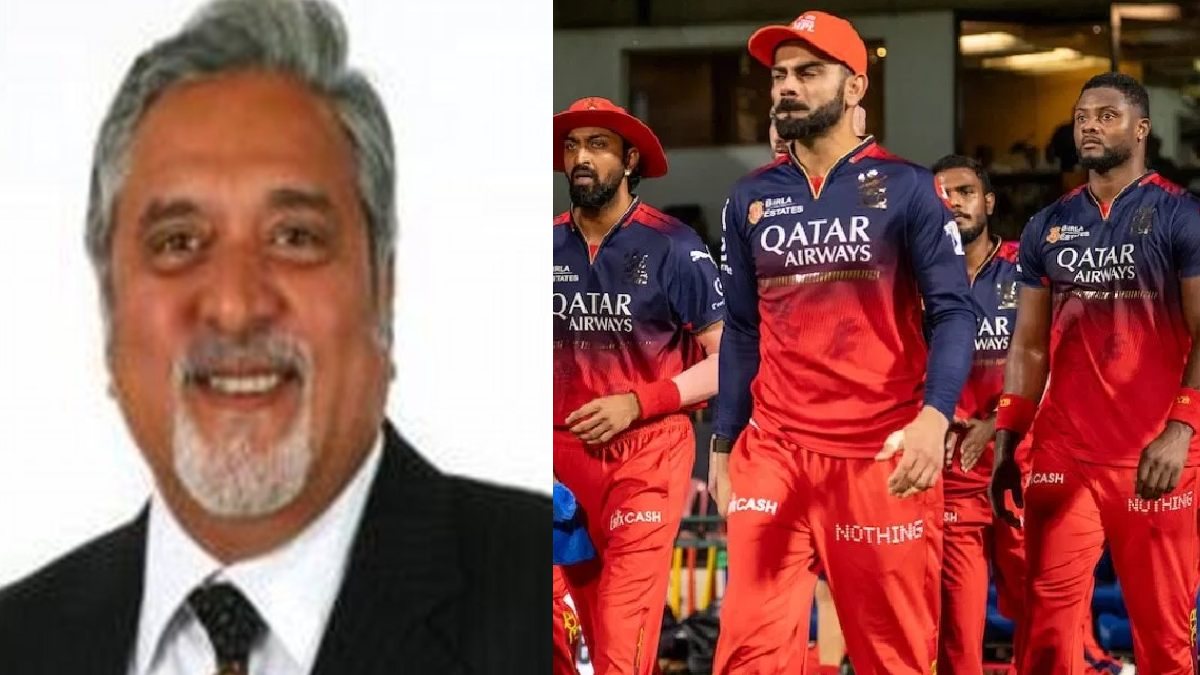
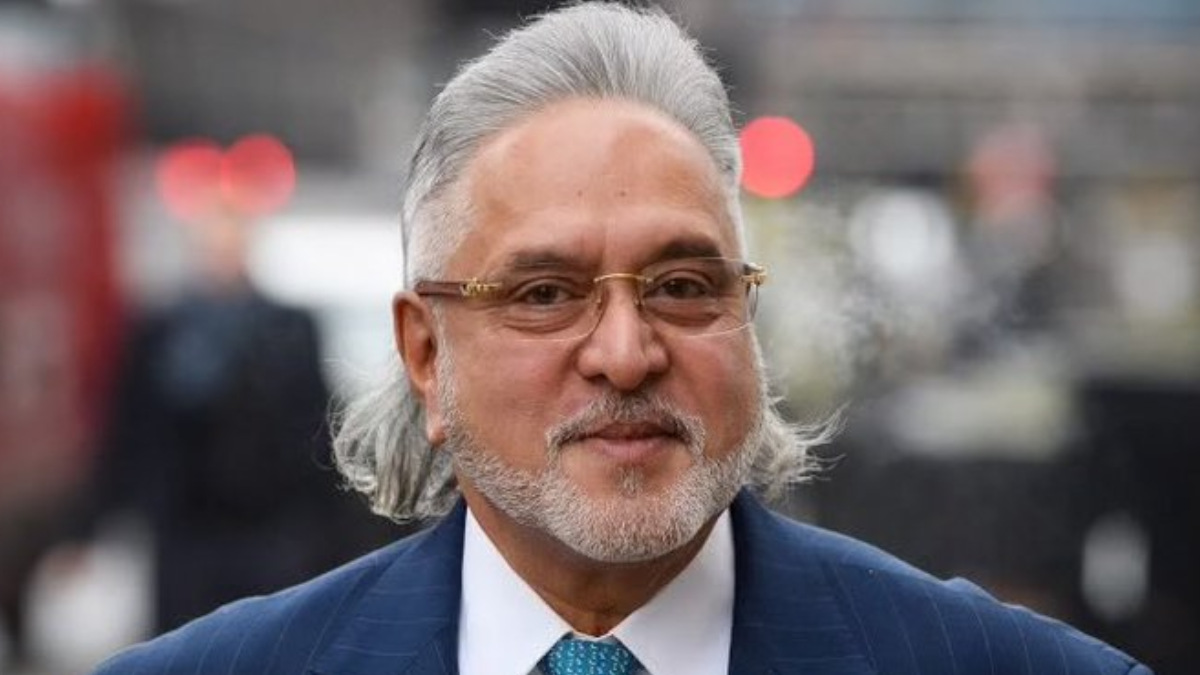
The Bombay High Court has made significant observations in the long-standing legal dispute between fugitive businessman and liquor baron Vijay Mallya and a consortium of banks, including the State Bank of India (SBI). The case, which has been going on for over a decade and involves loan defaults worth about ₹9,000 crore, has once again come under judicial scrutiny, and the court has ordered all parties to seek a practical and mutually acceptable solution.
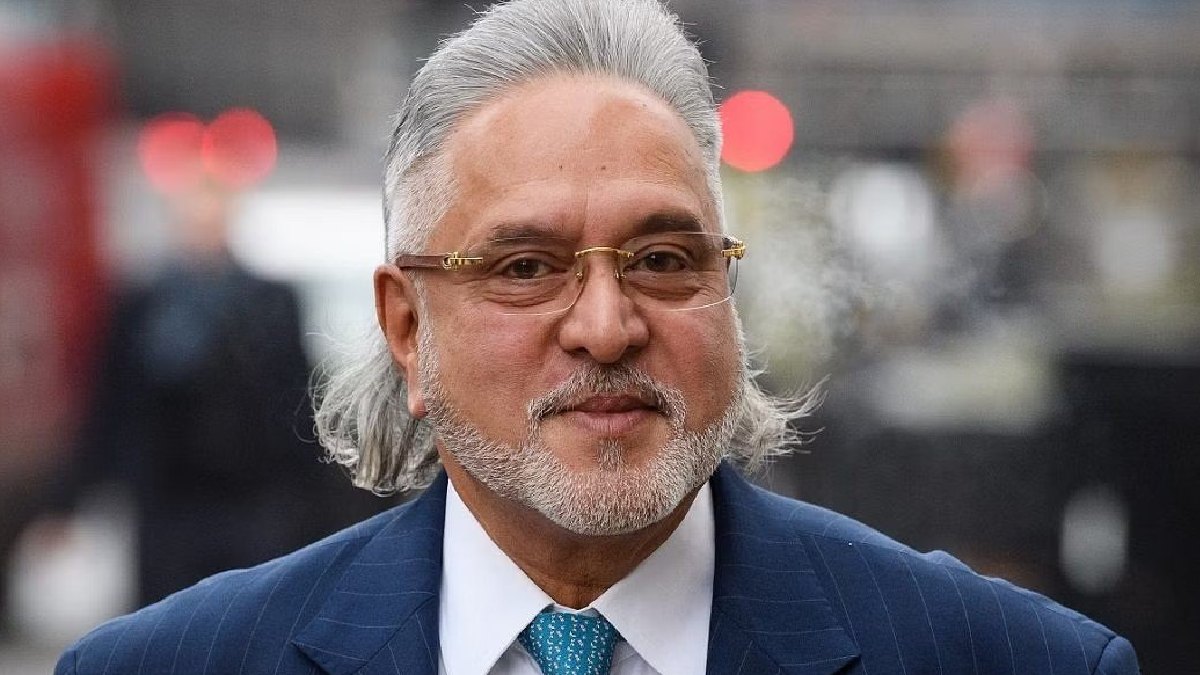
Justice Milind Jadhav of Bombay High Court stressed that the commercial conflict should be resolved in a logical way and not in a vacuum. Going on forever in court would not be good for the country, the court said. Commercial disputes should be resolved within the legal framework of negotiations and settlements or other effective means instead of a perpetual legal fight.
The comments came as the court was hearing a petition filed by Vijay Mallya in 2020 against certain proceedings related to the seizure of his assets. The dispute is a matter of banks trying to recover outstanding loans tied to the collapse of Kingfisher Airlines, which ceased business after accumulating huge debts to various banks.
Over the years, various investigating and enforcement bodies have attached various properties and assets to Mallya. This was done as part of the investigation under the Prevention of Money Laundering Act (PMLA) and other legal procedures. In fact, a special PMLA court had let a consortium of banks led by SBI utilise some of the attached assets for loan recovery.
Mallya challenged that decision in Bombay High Court against the special court and said the transfer of assets to banks was not legally justified. He sought judicial review of the special court’s order and raised questions regarding the handling of properties seized by enforcement authorities.
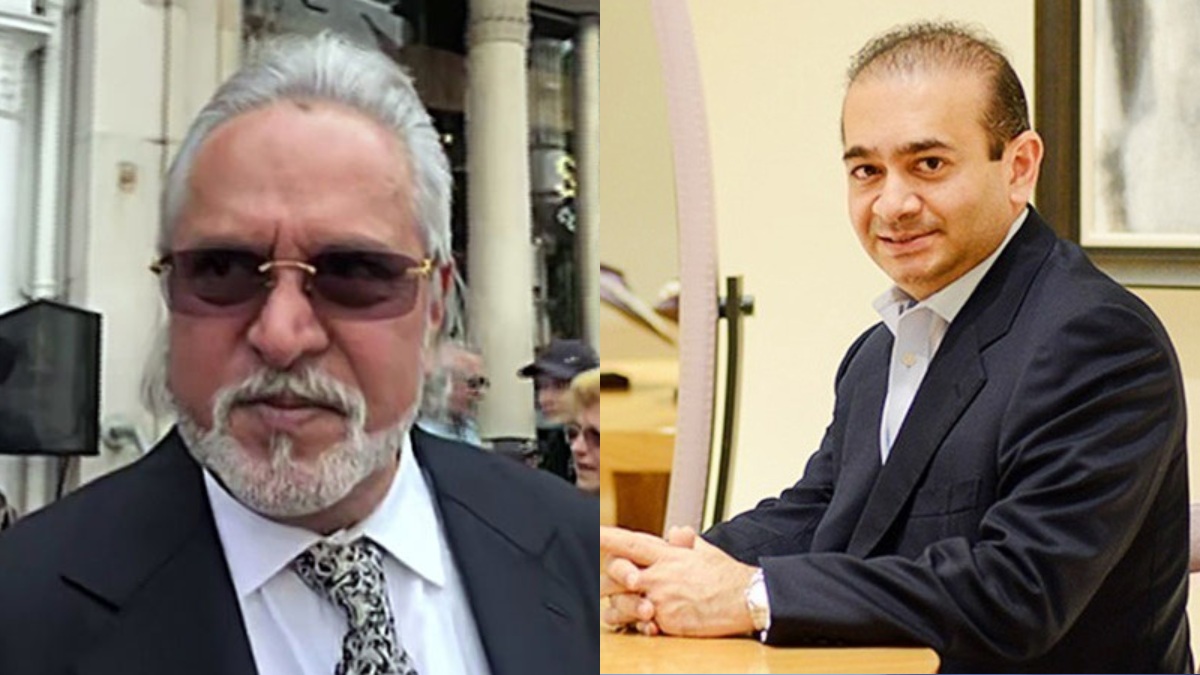
The High Court concluded that a practical solution might be better than litigation. It said that a dispute of such magnitude that is still open for nearly ten years is not ideal and parties would need to consider what is possible that would bring resolution to the matter.
In another big development, the High Court issued notice to the Enforcement Directorate (ED). It ordered that the agency provide a detailed report about its investigations against Mallya and provide details of all movable and immovable assets attached so far.
The court has specifically sought clarity on the extent of the attached properties and how those assets can be used for the benefit of creditor banks seeking recovery of outstanding dues. Legal experts say the ED’s report could play a crucial role in the future course of the proceedings and may help establish a clearer picture of the recovery process.
Dating back to 2012, Vijay Mallya’s case remains one of India’s most closely watched financial and legal controversies. Mallya left India in 2016. He is currently residing abroad and faces extradition proceedings and various legal challenges on these issues, which include the alleged financial irregularities and loan defaults.
The High Court's observations have led to speculation within the legal and business spheres that there might be an alternative settlement, or even an expedited method. No formal agreement has been made, but the court’s emphasis on the end of the long-running litigation has led to speculation that legal and financial solutions are possible.
But the possibility of Mallya returning to India now is speculative. His legal status, extradition, and ongoing investigations are all subject to judicial and regulatory processes, and such a decision would be made in court.
And in the long run, the Bombay High Court’s message is clear: after almost a decade of legal battles, a practical solution may be the most effective route forward for the parties involved.