The Bombay High Court, in a strong statement that was a commentary on the growing environmental disaster, warned that if air pollution continues to worsen unchecked, "the day is near when every Indian will step out carrying an oxygen cylinder."
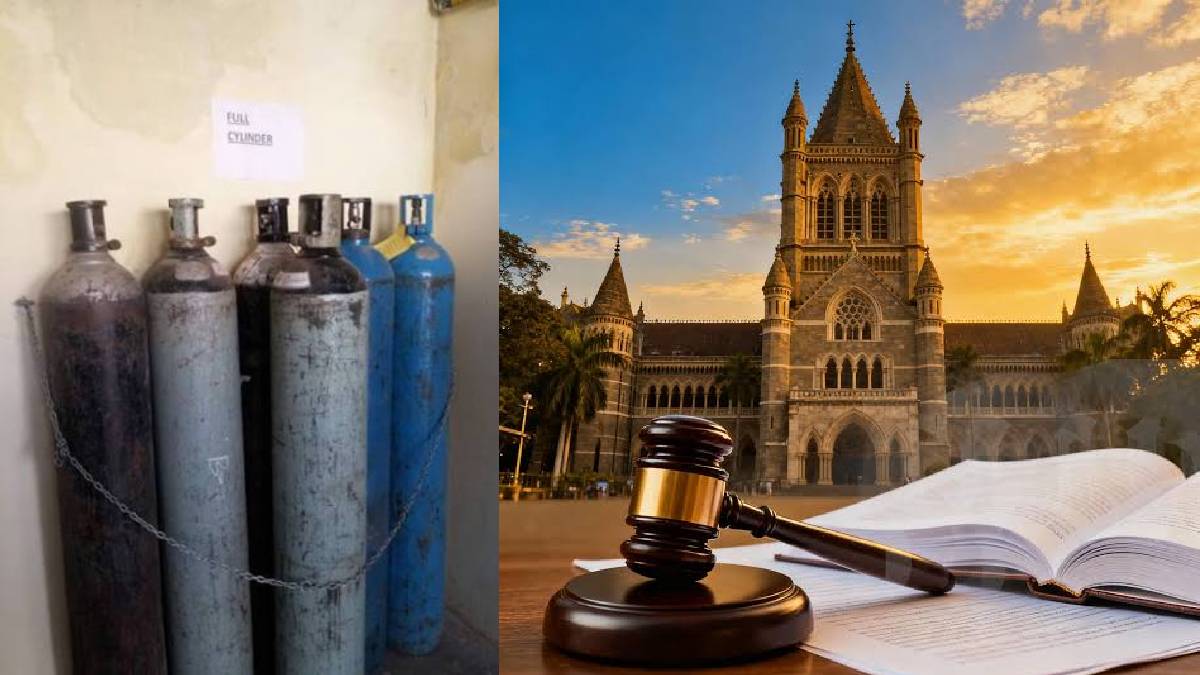
The court pointed out that the right to breathe clean air is the core of the right to life guaranteed under Article 21 of the Constitution, and that was not just a warning statement but a scientific one: It was on a piece of news we could hear: That the long-term health impacts of pollution were growing.
Air pollution is now one of India's most pressing public health challenges. Rapid urbanization, industrial pollution, vehicle exhaust, construction dust, agricultural residue burning, and fossil fuel consumption have all contributed to the decline of air quality in many cities and towns. In winter regions, the air is especially dense, and pollutants are trapped close to the ground.
The long-term exposure to polluted air can greatly increase the risk of respiratory diseases, cardiovascular disorders, strokes, lung cancer, and other chronic conditions, health experts say. Children, senior citizens, pregnant women, and people who have respiratory conditions are especially vulnerable to poor air quality.
The Air Quality Index (AQI), which measures the concentration of pollutants such as PM2.5, PM10, nitrogen dioxide, sulfur dioxide, carbon monoxide, and ozone, is very unhealthy in most of India’s major cities. Fine particulate matter (PM2.5 especially) is considered dangerous as it can easily reach deep inside the lungs and even enter the bloodstream.
The Bombay High Court’s observation is a reflection of the increasing judicial engagement in environmental governance among judges in India. For decades, courts have repeatedly called on governments, pollution control authorities, and local authorities to strengthen enforcement of environmental regulations, improve waste management, control industrial emissions, and curb vehicular pollution.
Governments at both the central and state levels have introduced various measures to improve air quality. These include the National Clean Air Programme (NCAP), stricter vehicle emission standards under BS-VI norms, electric mobility, expanded public transportation, cleaner industrial technologies, and increased monitoring through continuous air quality monitoring stations.
Cities are also investing in dust suppression systems, road sweeping, green belts, and tighter regulation of construction. At the same time, the study also said that the long-term improvements must be done in a combined fashion in many disciplines: transportation, energy, agriculture, urban planning, and waste management.
Environmental experts stress that clean air is not only an environmental issue but also an economic one. Poor air quality increases healthcare costs, lowers the productivity of workers, reduces agricultural output, and even results in economic losses as a whole from pollution-related disorders.
Climate change complicates the problem even further. Climate change is associated with higher temperatures, changed weather patterns and frequent heatwaves, so more and more pollution is being spread—and comprehensive environmental planning is becoming increasingly important.
Public participation is also important to the quality of the air. To ensure the environment doesn’t become worse, citizens can reduce private vehicle usage, support public transportation, save energy, avoid open waste burning, plant trees, and adopt cleaner technologies where they can be implemented.
The Bombay High Court’s comment is a stark reminder of the necessity to protect one of humanity’s most necessities—clean air. Obviously, the comment about every Indian carrying an oxygen cylinder was meant to express the seriousness of the situation and not to predict some inevitable future, but it shows the urgency of much more environmental action.
Cleaner air will be achieved only with continued cooperation between governments, industries, scientists, urban planners, and citizens. Public awareness will encourage India to make policy changes so that pollution levels are reduced, so that future generations can be healthier.