
As Argentina is set for England in a huge FIFA World Cup 2026 semi-final at a must-watch FIFA World Cup 2026, the world champions are in the midst of a growing debate over a series of refereeing decisions that people feel have gone their way in a series of decisions that is now in dispute with the world champions.
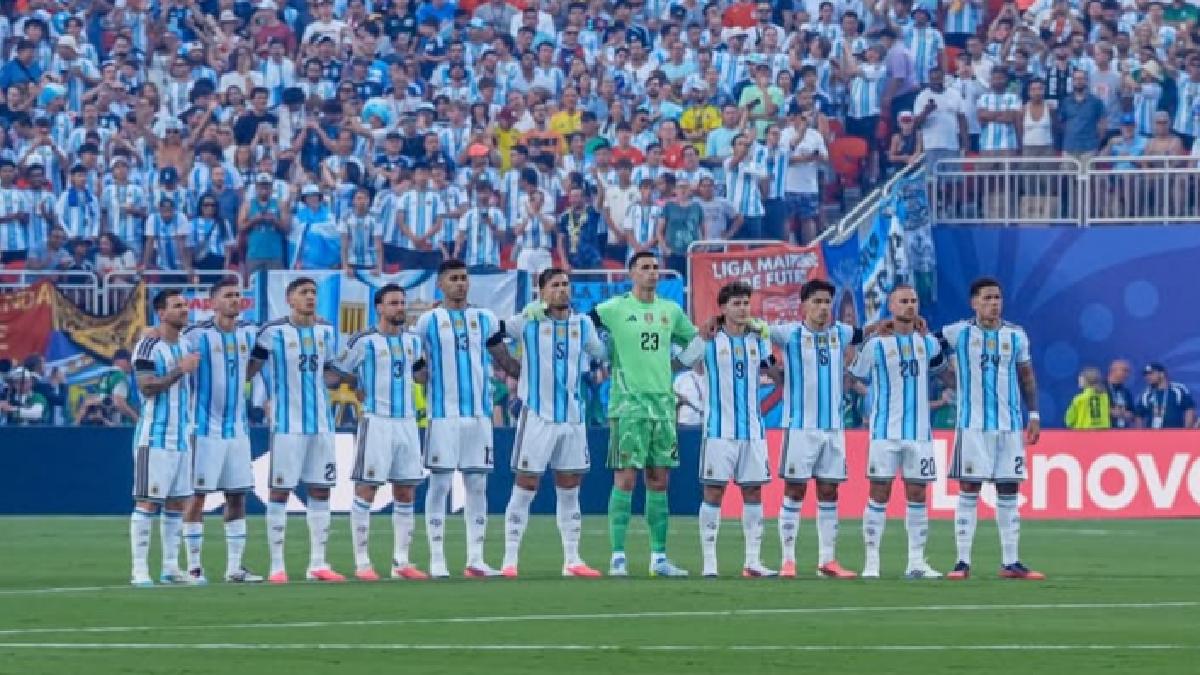
Argentina's campaign has generated debate among players, coaches and fans from Lionel Messi escaping a potential red card in the group stage to disputes over VAR calls in the knockout rounds. FIFA has not publicly called out refereeing bias and match officials have defended the use of the Laws of the Game but several of Argentina’s opponents have publicly questioned it.
Messi Escapes Early Red Card
The first major controversy came during Argentina’s opening group-stage match against Algeria.
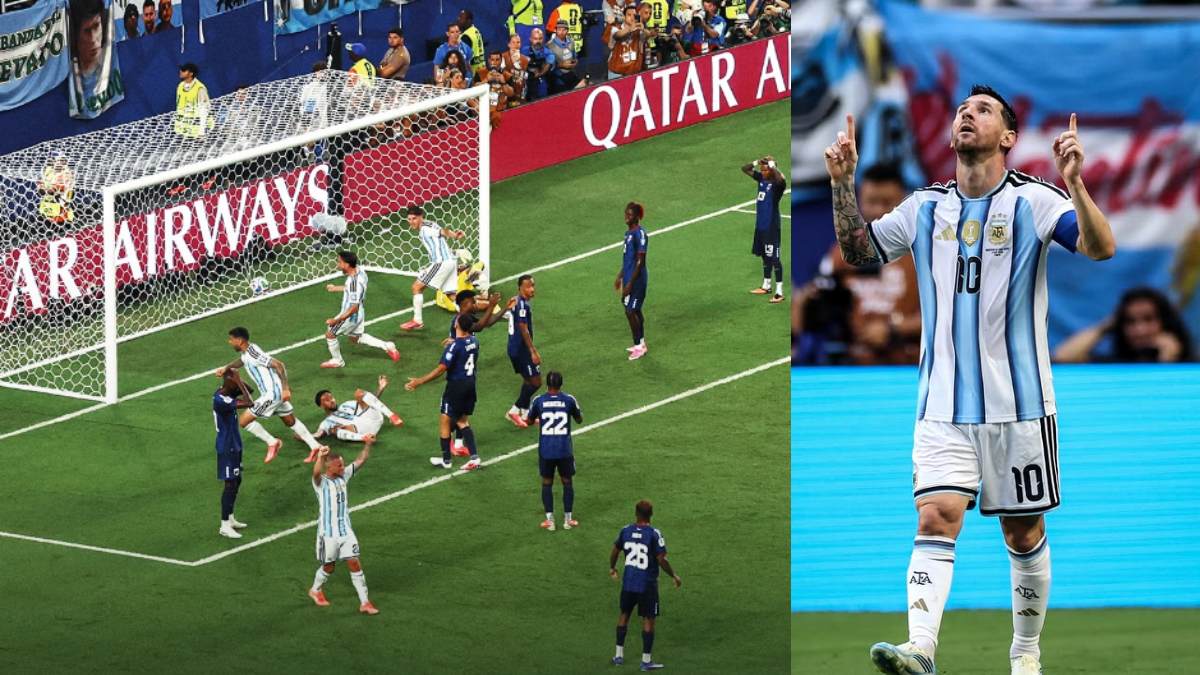
Lionel Messi appeared to catch Algeria captain Aïssa Mandi with a high challenge, making contact with his studs on the defender's calf. Although the referee awarded a free-kick, the incident was not reviewed by VAR and Messi still went on the field.
Algeria later expressed concern with the officiating and the challenge as well as another incident involving Alexis Mac Allister. FIFA took no further action.
Austria Questions Build-Up to Messi Goal
Argentina's next controversial moment came against Austria.
Before Messi opened the scoring, Alexis Mac Allister appeared to challenge Austria midfielder Xaver Schlager from behind. Austrian players appealed for a foul, but play continued and Argentina scored moments later.
Austria coach Ralf Rangnick criticised the decision after the match, saying VAR should have intervened and that the referee missed a clear foul in the attacking build-up.
Egypt Furious After Last-16 Exit
The Round of 16 clash against Egypt generated perhaps the strongest reaction.
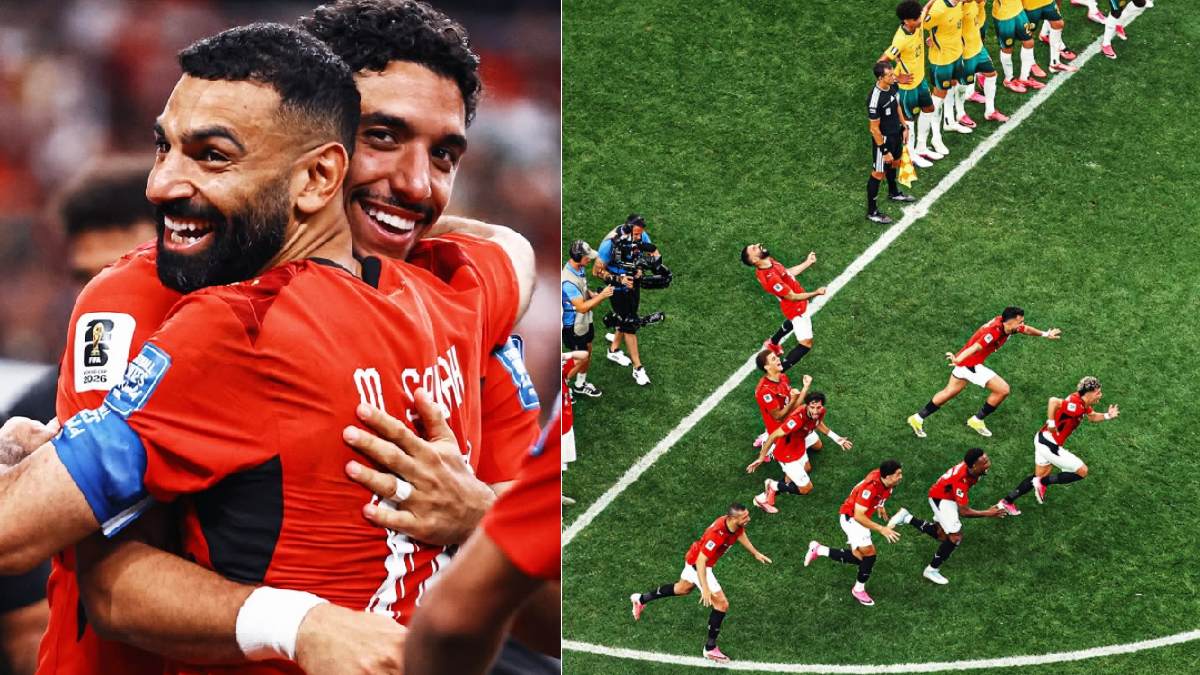
Egypt believed they were denied a penalty after Mohamed Salah appeared to be brought down inside the area before Argentina launched a counterattack.
Later, Egypt had a goal ruled out after a VAR review for an earlier foul in the attacking phase. Egyptian players and coaching staff looked perplexed.
Hossam Hassan, the head coach, accused officials of treating his side unfairly and questioned whether commercial interests were influencing decisions, though there was no evidence to support the claim. FIFA has not commented on those claims.
Switzerland Criticises Refereeing
The quarter-final against Switzerland was also another flashpoint.
Swiss striker Breel Embolo was initially issued a yellow card for simulation after going down inside the penalty area. The referee reviewed it with VAR and, under FIFA's mistaken identity code, gave Embolo a second yellow card which left Switzerland down to ten men.
Swiss captain Granit Xhaka described the decision as one that “killed the game” while defender Manuel Akanji claimed every marginal decision appeared to favour Argentina.
FIFA has maintained that VAR procedures were properly followed.
Political Chants Spark Debate
Argentina also attracted attention away from the pitch after videos circulated showing players celebrating victories with chants referencing the Falkland Islands, known in Argentina as the Malvinas.
Some fans and players were heard chanting slogans mentioning the islands and England after Argentina's victories.
The chants drew criticism in some quarters because of the sensitive historical context surrounding the 1982 Falklands War, but FIFA had no disciplinary action to take.
England vs Argentina: Rivalry Adds Extra Intensity
The semi-final is of extraordinary historical importance outside football.
In one of the fiercest rivalries in international football, England and Argentina have been in the midst of historic World Cup matches, Diego Maradona’s “Hand of God” goal in 1986, Michael Owen’s breakthrough performance in 1998, David Beckham’s redemption in 2002, and decades of political and sporting tension.
And a place in the 2026 World Cup final is at stake for emotions to run high again.
Controversy Meets Opportunity
While the criticism of Argentina's tournament is still everywhere in the headlines, refereeing decisions are ultimately made by match officials under FIFA's Laws of the Game and VAR protocols. Disputed calls are a common feature of all large tournaments and no official investigation has been conducted to establish that Argentina was treated preferentially.
England will now turn the focus from officiating debates to football as they seek to end Argentina's title defence and book their place in the World Cup final.
And whatever the outcome, this semi-final is already on track to be one of the most watched and emotionally charged matches of the 2026 FIFA World Cup.





Comments