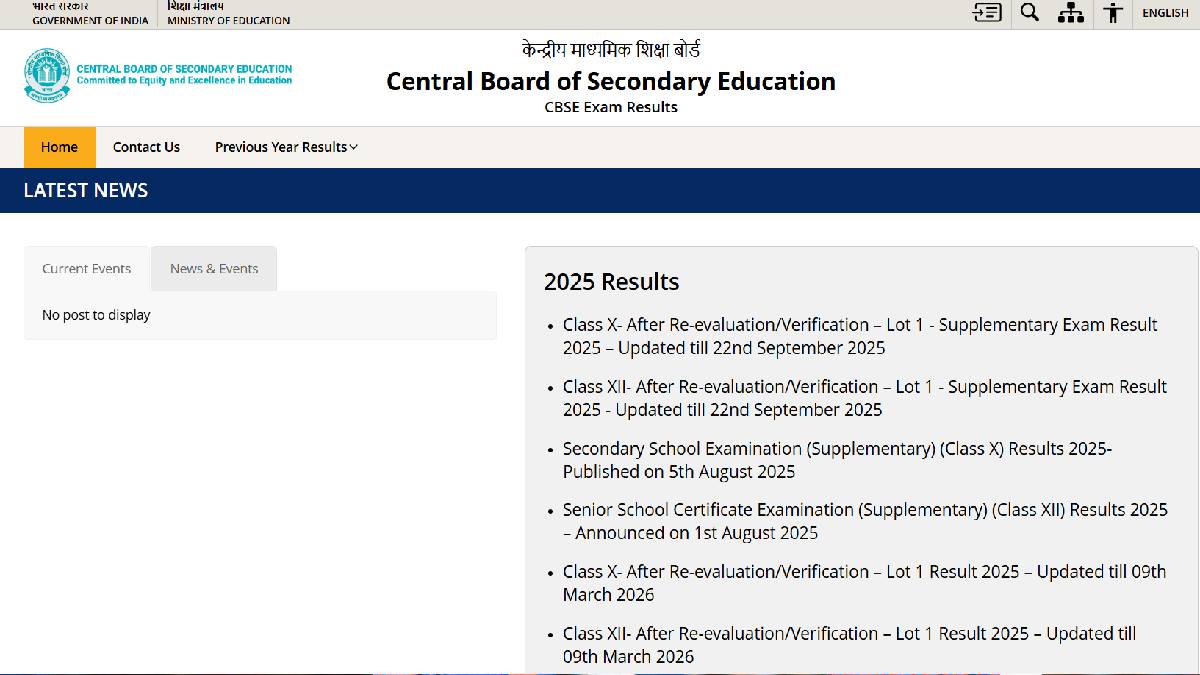
The Supreme Court has voiced concern about students’ troubles on the technical glitches in the online submission module (OSM) of the CBSE and has asked a detailed status report from the Central Government. The top court heard that students who have faced more than one or two issues on the online platform were frustrated and technological problems should not affect students’ academic success, it said.
The issue was brought to the court after the CBSE OSM platform, which is used for important academic processes, started to fail due to technical difficulties and students were not able to complete the necessary formalities within the deadlines and candidates and their families became anxious and uncertain. This brought students’ concerns about losing valuable academic opportunities for their own benefit to this issue and they wanted to talk about it.
Looking at this situation, the Supreme Court noted that students’ frustration needed to be taken seriously. The court’s bench noted that educational institutions and the government should ensure that digital systems used for academic administration work smoothly– students’ careers and educational futures depend on them. Technological failures shouldn’t present obstacles to access educational rights or completing mandatory academic processes or obligations, the court ruled.
When it came to the extent of the problem and how the corrective measures would be taken to remedy it, the Supreme Court directed the Central Government to present a full status report. The report would contain details of the glitches, the number of students impacted and remedies taken so far to avoid it in the future. The court’s advice is about accountability and efficient governance of digital education services.
For a number of years, educational institutions across India have been using online platforms in admissions, exams, document verification, registrations and other administrative processes. Digital transformation has improved efficiency at many levels, but has also made students the victims of technical failures, server overload, connectivity issues and software-related issues. Such technological infrastructure and grievance redressal mechanisms are critical for the reliable and accessible online education system, some experts say.
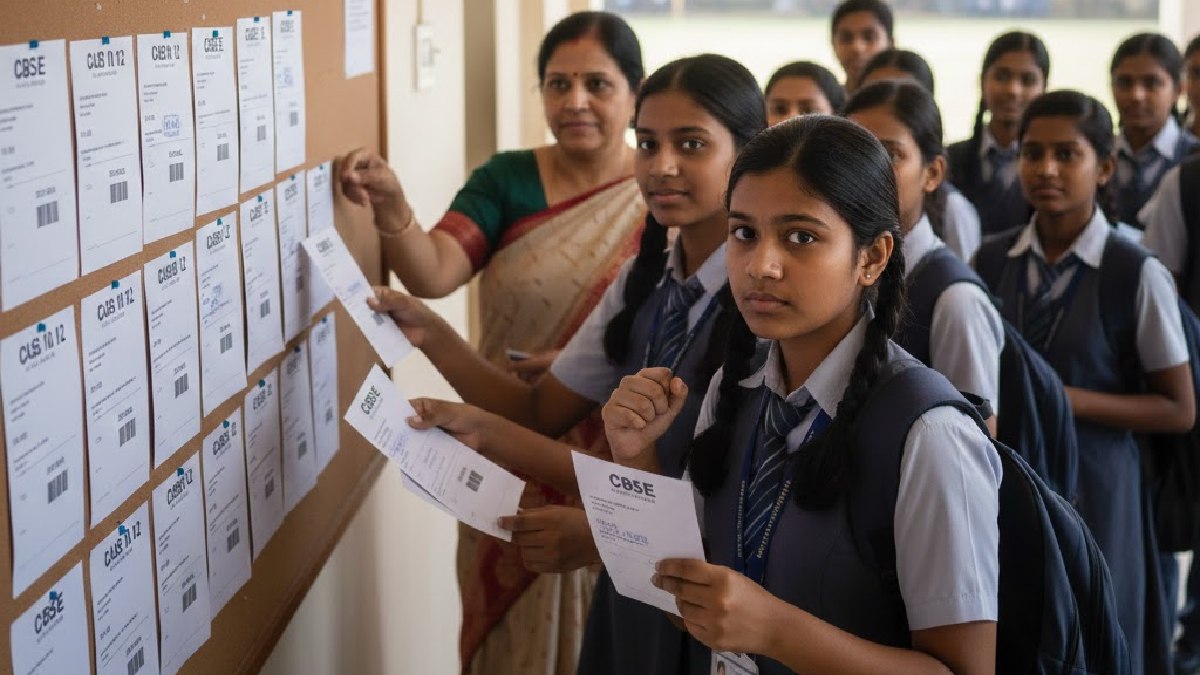
Education professionals say students are emotionally stressed during examination and admissions processes so the functioning of digital portals is of particular importance. Unanticipated technical glitches can cause confusion, delay submission and leave students feeling that their applications and documents are not being processed. For rural students or students with limited access to the internet, online services may be even more difficult than in the big city district.
The Supreme Court's intervention has made the role of digital governance in Indian education more pertinent. As government agencies and education boards expand online services, an administrative responsibility to keep digital platforms safe, secure and accessible has become increasingly important. Technological systems are supposed to increase public service and not create new obstacles for the people, courts have repeatedly said.
The Central Board of Secondary Education (CBSE) is one of India's largest education boards and serves millions of students in the country, experts say. Digital platforms that deal with academic records and student services need to be able to handle high traffic at the most infrequent times, such as when thousands of students access the system at once. Regular technical audits, upgrades to servers, backup systems, and responsive technical support are needed as part of an effective digital infrastructure.
The legal experts say the status report will help to determine if corrective measures have been taken and if more steps are needed to prevent future disruptions to students and whether they will be put in place so that they don’t have a repeat of what happened at all in the future. The court could also question whether students who were unable to complete mandatory processes because of technical problems could be asked to apply for any relief if they could not carry out mandatory procedures due to technical failure beyond their control.
Student organizations and educational advocates welcomed the court’s attention to the issue, saying that timely intervention can ensure fairness and prevent academic disadvantages due to system-related errors. They have called on authorities to enhance digital infrastructure, improve communication with students during technical disruptions and establish transparent grievance mechanisms to address complaints promptly.
The Supreme Court’s responsibility for the matter is to protect students’ academic interests and technology should be an enabler not an impediment. The case underlines the need for good digital governance in education and a fundamental belief that administrative or technical deficiencies should never infringe on the education rights and opportunities of students.