India is increasingly positioning itself as a global base for high-end medical technology manufacturing because the country has to build its domestic capabilities to be involved in world supply chains as well. The medical technology (medtech) sector is a big opportunity as India’s huge healthcare industry, engineering talent and demand for advanced medical equipment are great.
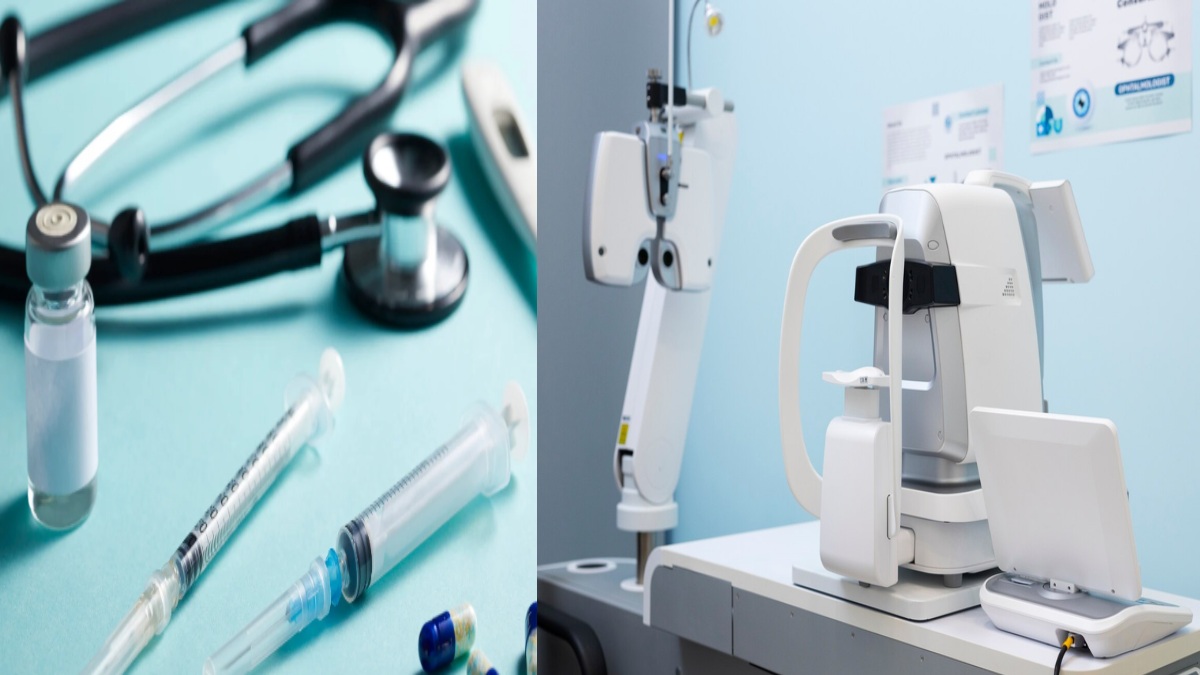
And while India has good capabilities in diagnostic equipment, consumables and medical devices, it would take a long time to make a strong push to develop high-level technology and good products.
The opportunity is significant because India remains heavily dependent on imports for a number of more advanced medical equipment. High-end imaging systems, specialised diagnostic technologies, surgical equipment and other complex devices can have huge research and development costs.
Reducing import dependence while developing products that could compete internationally will provide benefits to the healthcare system and the manufacturing sector as a whole.
Government policy has increasingly focused on developing India’s medical-device ecosystem. Make in India efforts are being implemented in combination with production and equipment incentives and production-linked programmes for medical device manufacturing to make India a manufacturing base in itself. These activities are not just designed to increase manufacturing capacity, but also to induce investment in domestic value addition, technology development and local supply chains.
India has a huge number of engineers, scientists, healthcare professionals and technology experts in particular. Software, information technology and engineering services are huge strengths of India and could be integrated with medical device manufacturing. The growing integration of artificial intelligence, robotics, data analytics and connected technologies in healthcare has made it easier for Indian companies to build products that combine hardware with sophisticated software.
The domestic market is also a major advantage. India’s increasing population and growing healthcare services demand for diagnostic equipment, monitoring systems, surgical technologies, and other medical devices create substantial demand. A large home market can give manufacturers a platform to test products, build scale and gain experience before going overseas.
Cost competitiveness would also matter. As a result of its engineering talent and manufacturing experience, India has been one of the top countries that global companies have approached in the past, attracted by the competitive costs of manufacturing that India is able to offer. So if the country can get reliable component suppliers and improve manufacturing efficiency, it could be an attractive alternative production location for companies seeking to diversify their global supply chains.
But becoming a global hub of high-end medical technology will not be so simple. Advanced medical devices demand a lot of research and development investment, special manufacturing sites, very precise components and quality control systems. Companies also need to navigate complex regulatory requirements before medical products can be sold in different markets. Building that ecosystem requires long-term investment rather than simply expanding assembly operations.
Research and development will be especially important. India cannot become a leader in advanced medtech solely by manufacturing products produced elsewhere. Domestic companies and research institutions will need to develop technologies that are suitable for both Indian and international healthcare needs. Collaborations between universities, hospitals, technology companies, manufacturers and investors could help accelerate this process.
Healthcare diversity in India would in fact be an advantage. India serves patients across metropolitan hospitals, smaller cities and rural areas, creating demand for technologies at different price points and levels of complexity. Companies that design affordable, reliable and portable medical devices for challenging healthcare environments could find markets in other emerging economies facing similar problems.
Export potential is another big deal. A successful Indian medtech industry would have to compete on price as well as quality, reliability and innovation. Meeting international standards and obtaining regulatory approvals in overseas markets will be crucial for Indian manufacturers to build a strong global presence. Developing internationally recognised brands could also help shift perceptions of India from a low-cost manufacturing destination to a source of advanced healthcare technology.
Foreign investment and partnerships could accelerate this transformation. International medical-device companies can bring capital, manufacturing expertise, technology and access to global distribution networks. At the same time, Indian companies can contribute local market knowledge, engineering capabilities and cost-effective production. Strategic partnerships could therefore help create a stronger domestic ecosystem.
Supply chain development will be a crucial factor as well. High-end medical devices are highly dependent on specialised components, sensors, electronics, precision engineering and advanced materials. Building domestic suppliers for these inputs can reduce vulnerabilities and increase the amount of value created within India. At the same time, access to high-quality imported components will remain important for manufacturers until local capabilities mature.
There is also an opportunity to connect India’s growing digital-health ecosystem with physical medical-device manufacturing. Connected devices, remote monitoring, AI-assisted diagnostics and digital hospital systems are becoming increasingly important in healthcare. Indian technology companies could potentially combine their software expertise with locally manufactured hardware to create integrated healthcare solutions.
If India wants to be a global hub of high-end medical technology, it will have to be able to move up the value chain. Manufacturing basic devices is only one part of the way there. The bigger picture is creating advanced products, investing in research, building specialised supply chains and establishing companies that can compete internationally.
If India can successfully combine its engineering talent, manufacturing capabilities, large healthcare market and technology ecosystem with stronger research and development, the country could become an important player in the global medtech industry. The transition will take time, but the foundations are increasingly taking shape. For India, high-end medical technology could become not only a manufacturing opportunity but also a strategic sector capable of supporting healthcare access, innovation, exports and high-skilled employment.