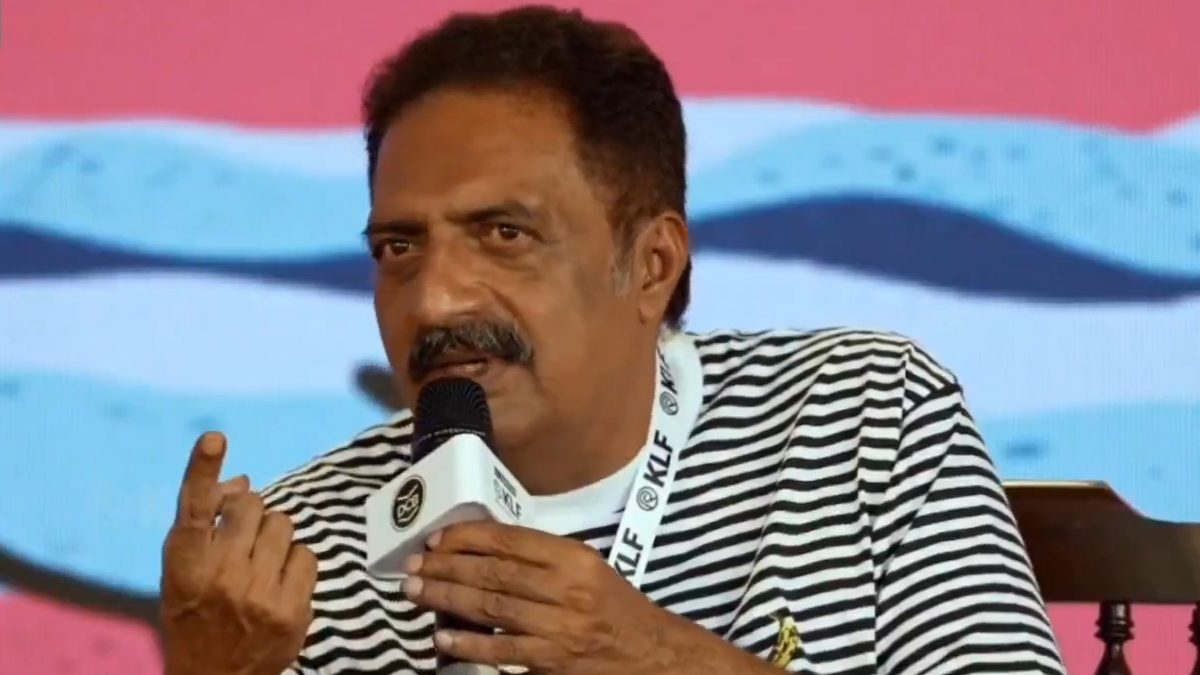
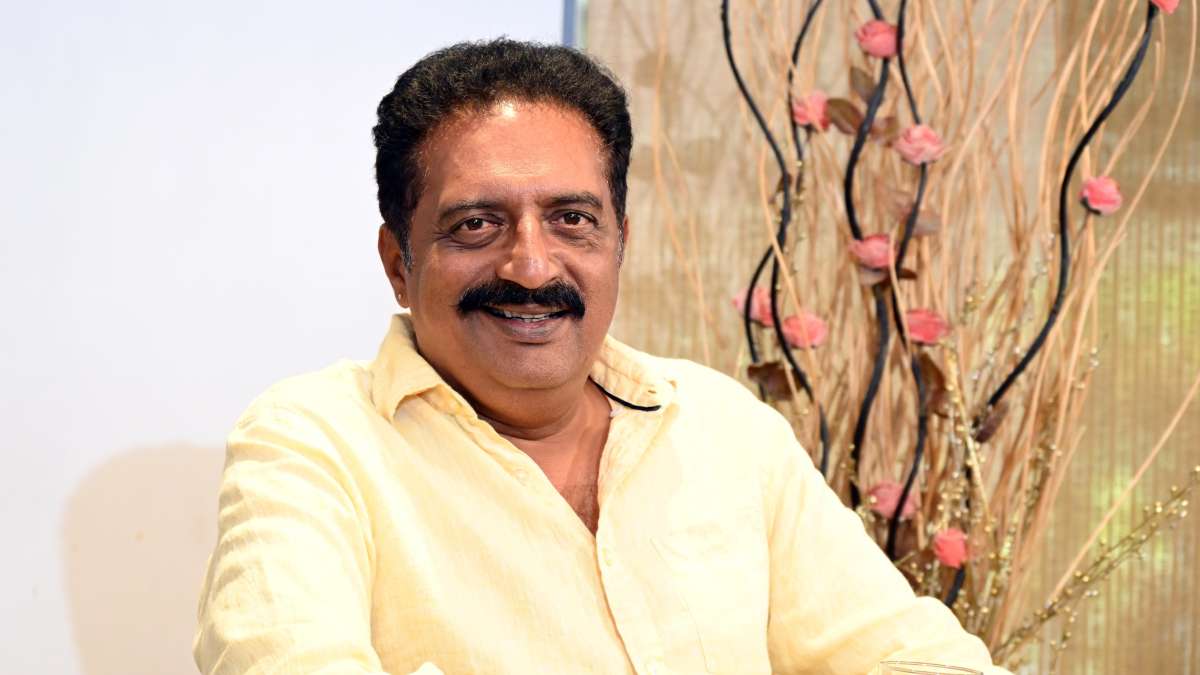
Prakash Raj, actor, filmmaker and social activist, has found himself in the middle of a political dispute again after his recent comment on electoral influence went viral on social media. The actor said: “You can steal away my one vote. But I can influence 10 votes against you.” It was quickly picked up on the internet, and there were responses from supporters and critics alike.
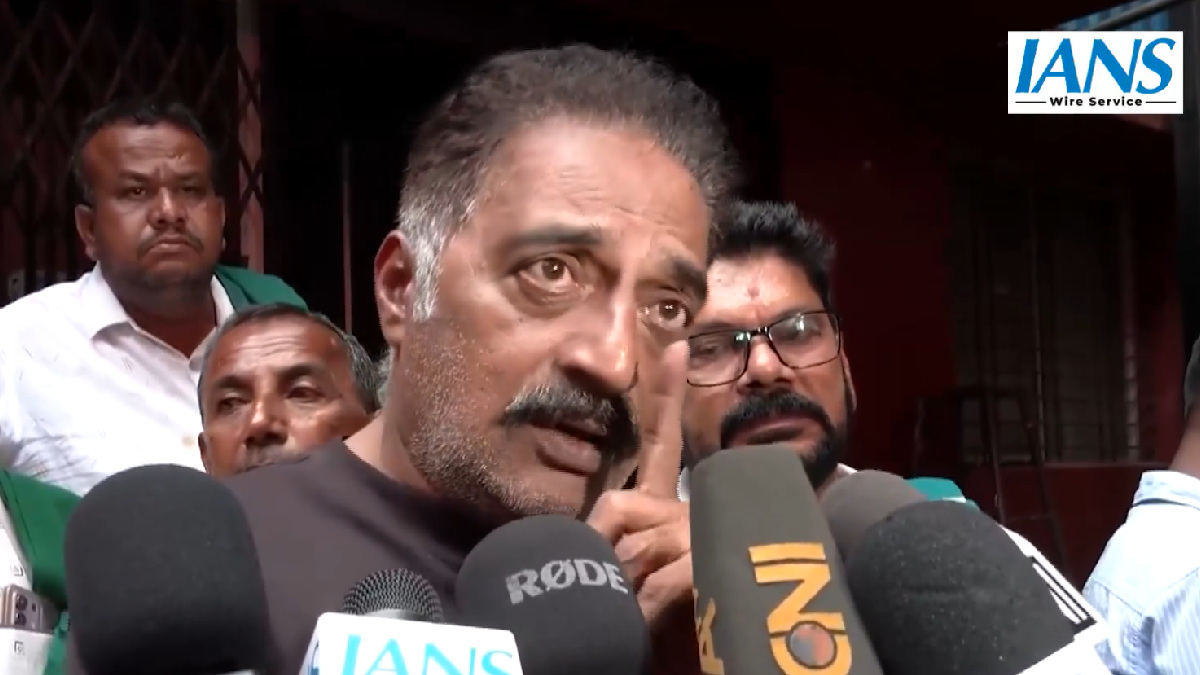
The statement was seen by Raj’s supporters as a declaration of his belief in democratic participation and public participation, but critics also looked back on his political history (in particular his 2019 Lok Sabha elections in Bengaluru Central constituency). The current debate has reopened the lines of argument of political influence, public visibility and actual electoral success.
Prakash Raj entered electoral politics in 2019 as an independent candidate from Bengaluru Central, positioning himself as an alternative voice in Indian political discourse. His campaign attracted a lot of attention as he was passionate about governance, secularism and freedom of speech. As a well-known actor in the film industry, his bid was widely seen as one of the most prominent independent campaigns of the elections, and many people thought he was a candidate in such a prominent position.
But the result was different. Raj secured 28,906 votes, which is about 2.41% of the total number of votes in the constituency. He finished third behind the BJP candidate P.C. Mohan and Congress candidate Rizwan Arshad. The result also resulted in a loss of his election deposit.
After the viral debate regarding Raj’s “one vote versus ten votes” comment, people on social media used 2019 election results to say whether Raj had any impact on politics. Critics said that if Raj had had significant electoral influence, it would have been reflected in his own election performance, since he was only able to win a small percentage of the vote.
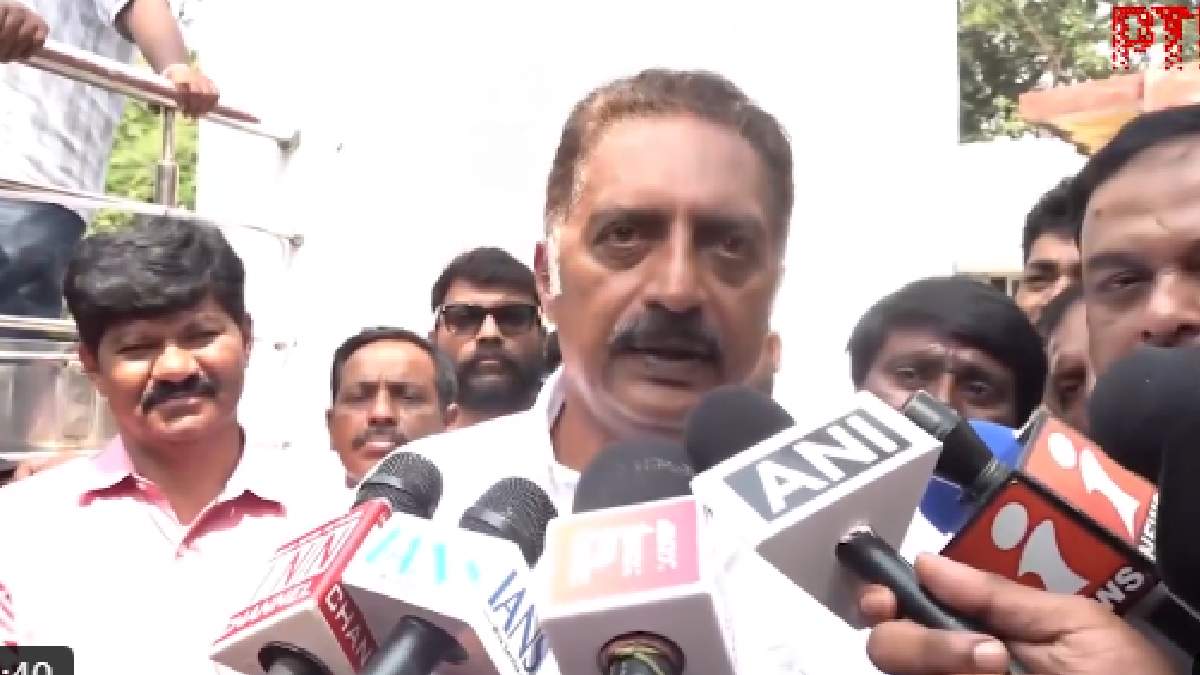
But supporters had another view. They argued that electoral success and political influence are not always the same. Public figures can shape debates, shape opinions, and encourage civic participation, they said, even when they don’t win elections. Activists, journalists and public intellectuals, they say, play important roles in politics but do not necessarily translate that influence into votes at the polls.
The discussion has also revived interest in Raj's political life. When he lost in 2019, the actor publicly acknowledged the outcome and described it as a learning experience. He stated at the time that it was a “solid slap” and that he would continue to speak out on issues he felt he must keep speaking out about despite the setback.
Prakash Raj has been actively involved in public discourse through social media posts, interviews and public appearances for over a decade, and his discussions on governance, social issues and politics usually elicit strong responses from different parts of society. This comment seems to have continued that trend and once again thrust him into the spotlight.
The debate over Raj’s statement comes down to the core question of democratic politics: does influence come from electoral wins only or can it also come from how public conversations and views are formed? The critics point to his 2019 vote share, and supporters say that influence does not come from election results but from influencing people to think.
Prakash Raj is still one of India's most vocal celebrity commentators on political and social issues. Whether you agree with his views or not, his ability to generate conversation ensures that his statements continue to attract significant public attention.