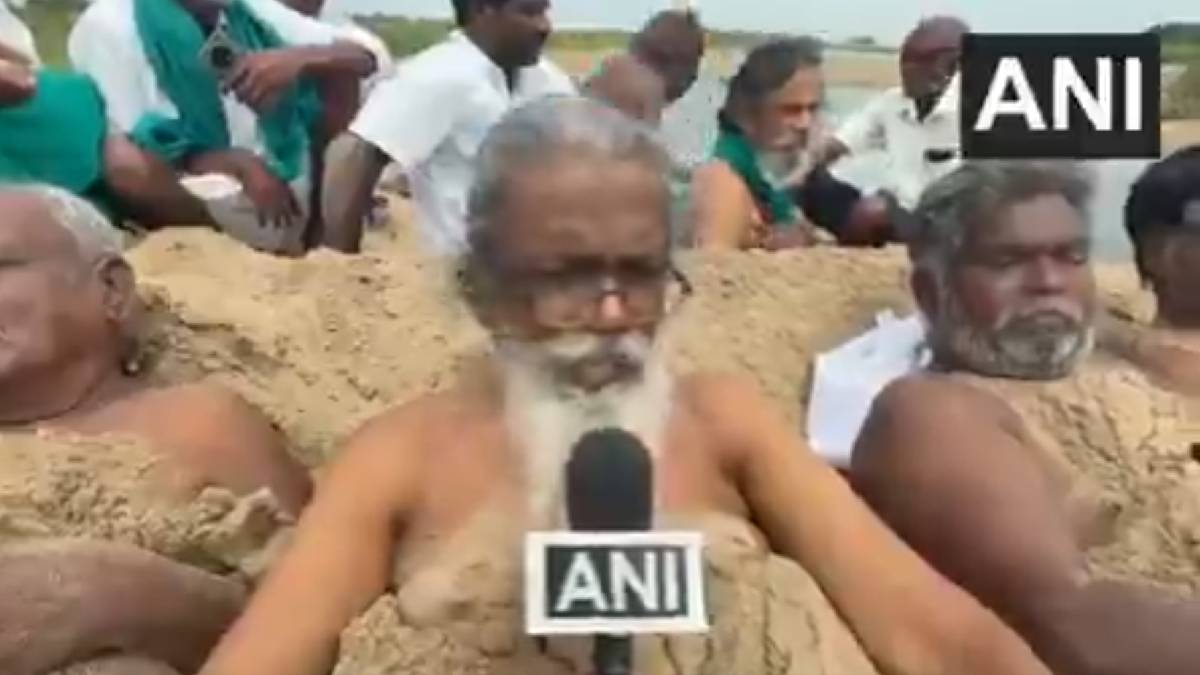
A decades-old Cauvery water-sharing dispute has erupted into another flashpoint in Karnataka with the state government issuing an order for releasing water to Tamil Nadu, triggering protests from farmers and pro-Kannada groups. And even if farmers insist that Karnataka cannot supply water to its own needs (and for that reason also doesn’t intend to release any water in the river), the state government is fighting back against the order.
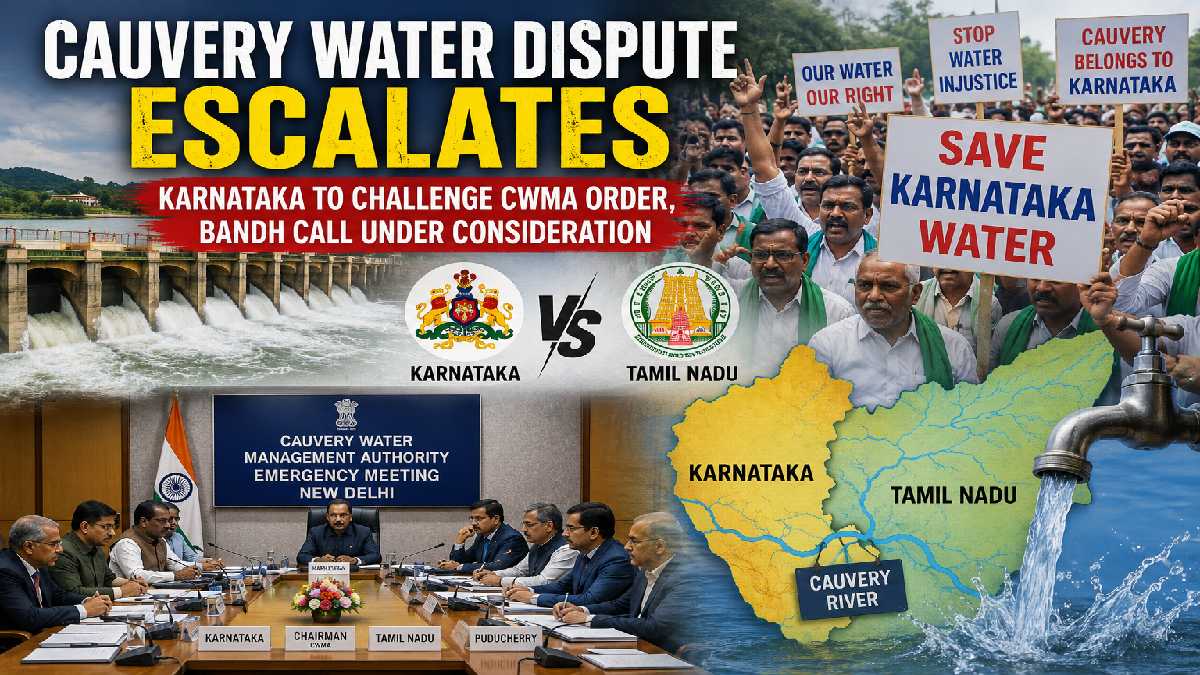
An emergency meeting of the CWMA will be held today in New Delhi to discuss it. Representatives from Karnataka, Tamil Nadu, and Puducherry will be present. A notice about the meeting was sent to the government of Karnataka. The meeting will discuss the recent decision on transferring Cauvery water to Tamil Nadu and the response of the state government.
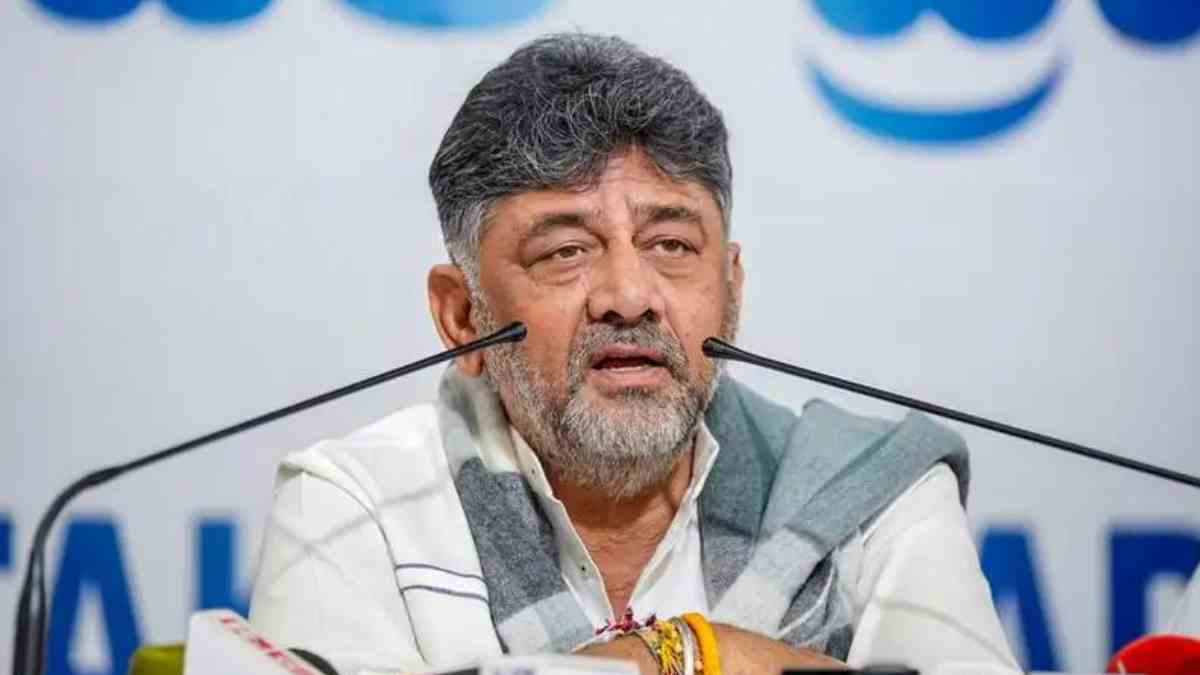
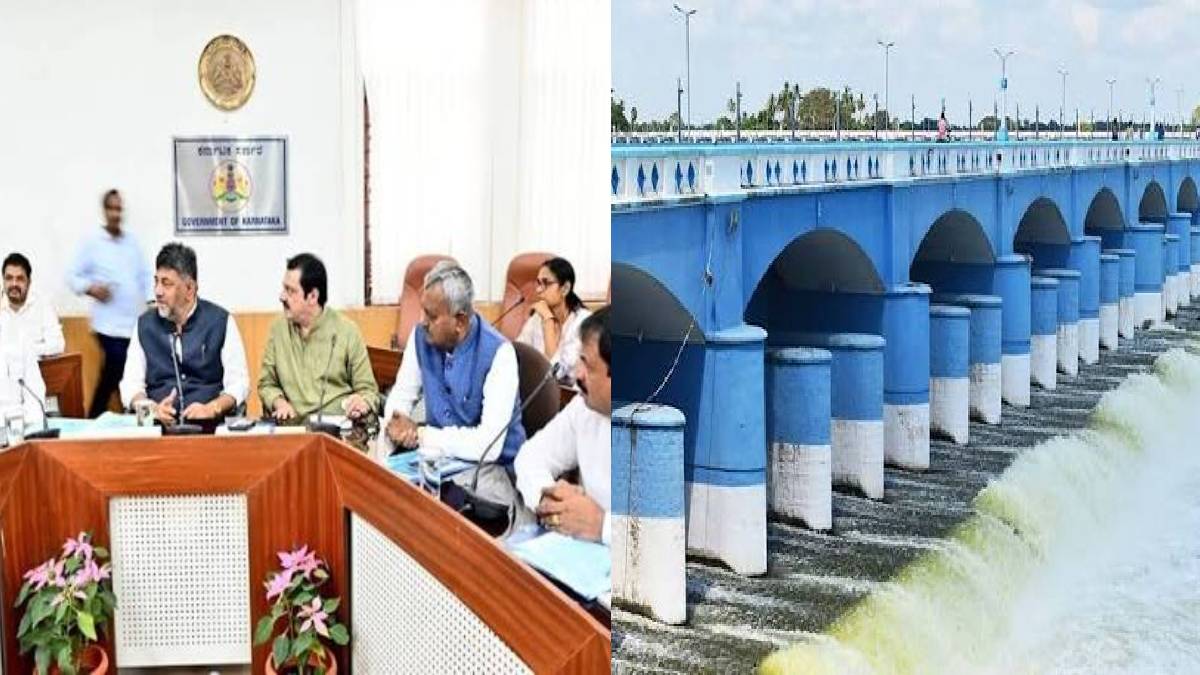
The Karnataka administration has taken a firm stand against the directive and is preparing to present its case before the authority. Deputy Chief Minister D.K. Shivakumar, who has the water resources portfolio, has asked officials at the meeting to make a strong stand, as he says water storage levels and rainfall, as well as agricultural needs, have not been sufficient to release the amount of water per the order.
Karnataka officials also believe that Karnataka is experiencing problems with water availability as well - especially in the Cauvery basin. They are going to stress the state’s need for proper water supply and irrigation for its farmers. Water releases should be made according to the real inflows and reservoir conditions and not so fixed in case of rain being below expectations in Karnataka, the state government said.
The CWMA order has also resulted in protests from farmers’ associations and Kannada organisations. Farmers’ organisations and Kannada organisations have also been protesting this CWMA order. Protest demonstrations have been organised in several districts, and activist groups have protested the government’s release of water from a number of districts, demanding that it hold back the release of water until the state’s water needs are fully met. Many farmer leaders say Karnataka's agricultural communities are already vulnerable to a lack of rain and water in the region, and the release of water could only make it worse.
Pro-Kannada groups are now vocal in their campaign against the directive, describing it as unfair to Karnataka’s interests. Some groups have said they will go on the offensive if the order is not reconsidered. It has taken a water management dispute from being a practical issue to a political and emotional one involving regional and state sentiments.
Further intensifying the pressure is a discussion of a possible Karnataka bandh. Kannada Vatal Party leader Vatal Nagaraj said leaders of various Kannada organisations will meet at Woodland Hotel in Bengaluru on Friday to discuss the future course of action. One of the key agenda items will be whether to call for a statewide bandh to protest the order. Organisers believe a united protest could send a strong message to authorities about public sentiment in Karnataka.
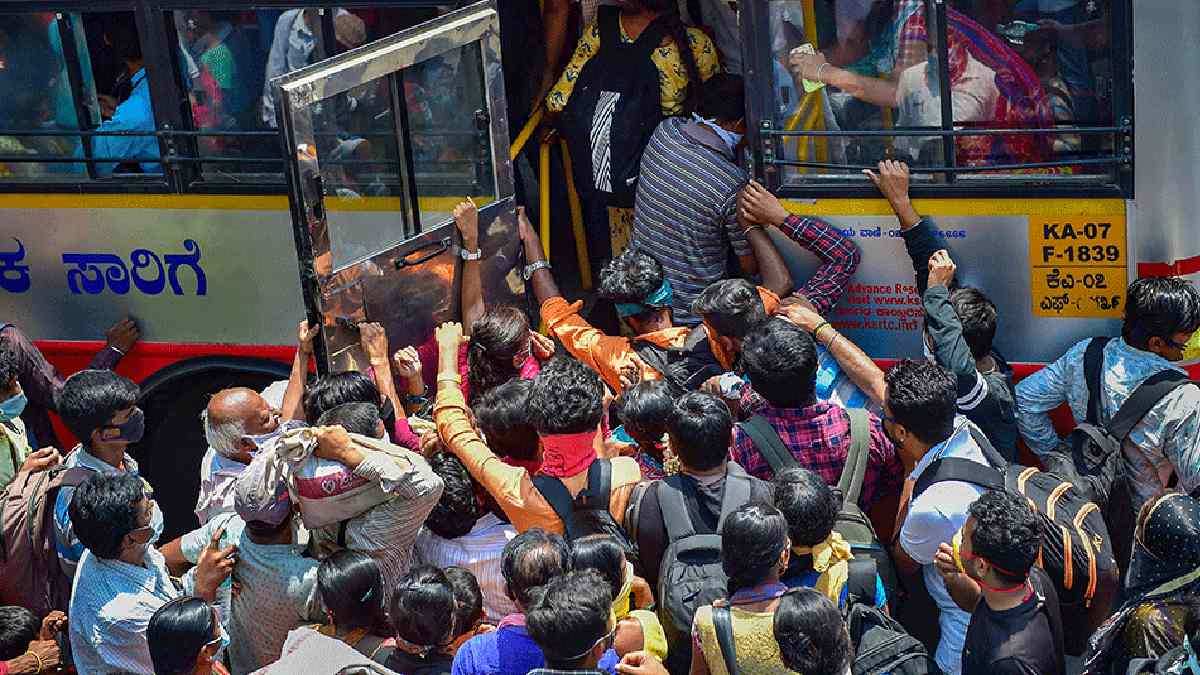
The possibility of a bandh has already attracted strong attention from businesses, transport operators, and citizens alike. If a statewide shutdown is declared, public transportation, commercial establishments, educational institutions, and government services in some parts of Karnataka would be affected.
The Cauvery issue has long been one of the most sensitive interstate issues in southern India and has led to political conflicts, legal battles, and public protests. The latest developments have brought it back to the surface once more, and the water needs of many states dependent on the river are clearly in need of addressing.
The outcome of the emergency CWMA meeting in New Delhi will have an important impact on the next phase of the dispute. The decision by the authority to implement, modify, or review the order or consider Karnataka’s objections to the order will change public sentiment and government action and may trigger more protests. For now, all eyes are on the national capital as Karnataka is set to defend its position on one of India’s most emotive water-sharing disputes.