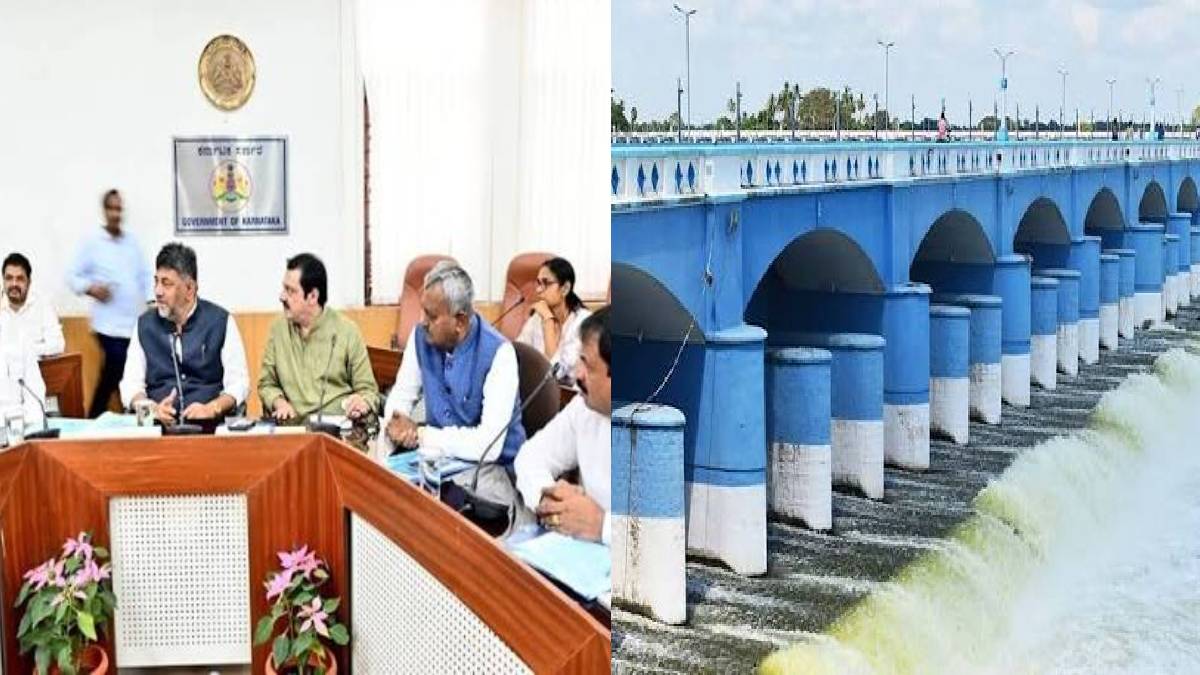
The farmers’ association leader Ayya Kannu has intensified his criticism of Karnataka for not releasing Tamil Nadu’s share of water in the Cauvery on the condition that it got the water due to Tamil Nadu in the Cauvery water sharing agreement, and the neighbouring state has not provided the promised amount. He has called on Tamil Nadu Chief Minister C. Joseph Vijay to ask the Supreme Court to award ₹1 lakh crore as compensation for farmers’ loss in the Cauvery water sharing.
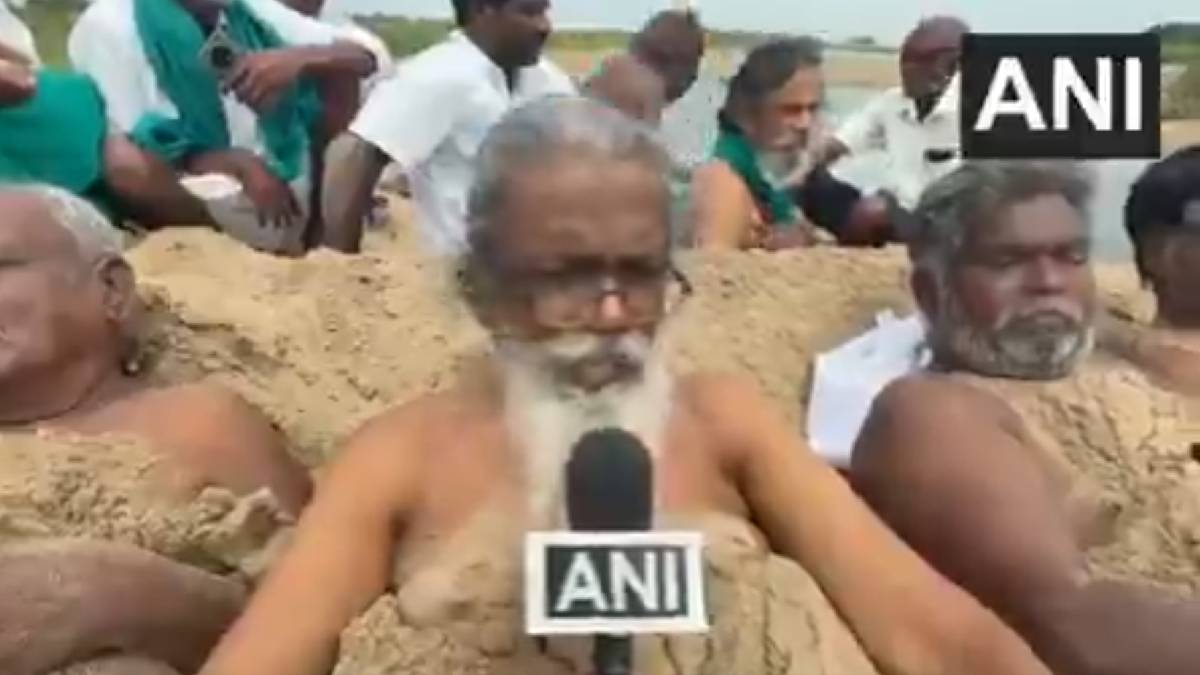
On August 2, Ayya Kannu said that Karnataka must release Cauvery water to Tamil Nadu according to a month-on-month water release schedule, he said when he was speaking in Tamil Nadu. Karnataka had a lot of water storage, but hadn't provided Tamil Nadu with the amount of water it had been seeking at that time, when farmers were worrying about water availability in the region.
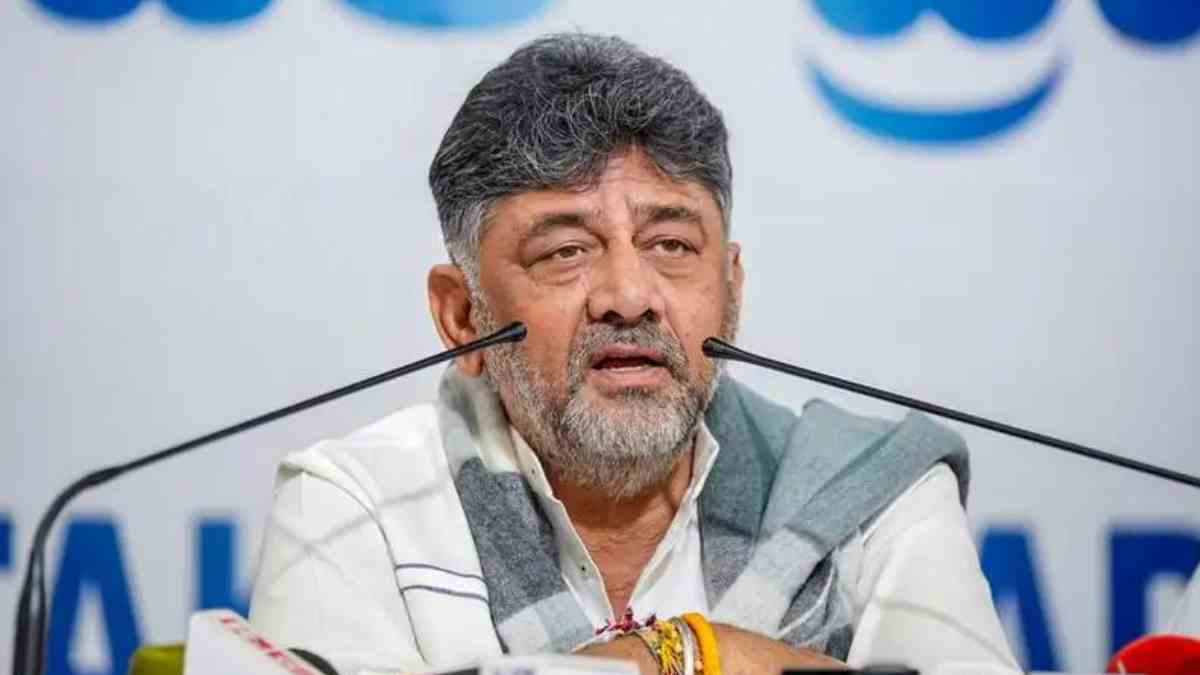
#WATCH | Tamil Nadu: Farmers' association leader Ayya Kannu says, "... The Supreme Court of India gave directions to the Karnataka government to release water to Tamil Nadu every month... So far, more than 80 TMC of water is in Karnataka. Karnataka CM DK Shivakumar refused to… https://t.co/kw6wJ8aDqM pic.twitter.com/lpwzCJ5HoV
— ANI (@ANI) August 3, 2026
“The Supreme Court of India gave directions to the Karnataka government to release water to Tamil Nadu every month,” Ayya Kannu said. He claimed that Karnataka had more than 80 TMC of water available in the state and accused the state government of not releasing 3,500 cusecs of water to Tamil Nadu.
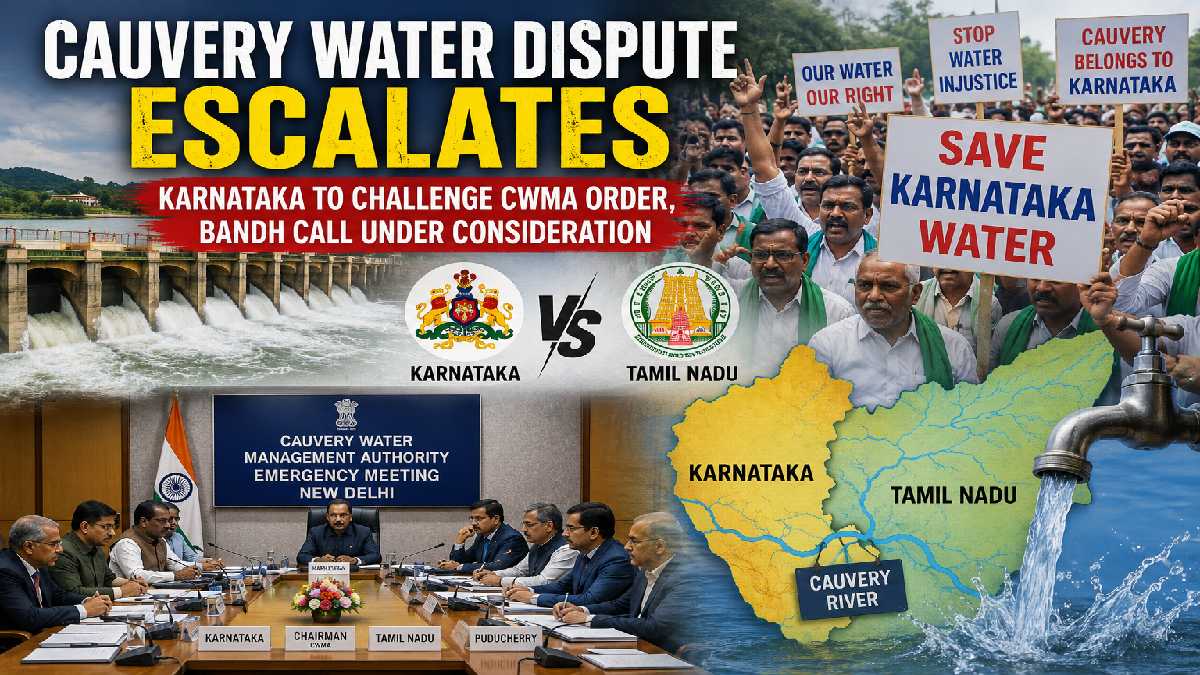
The Cauvery Water Management Authority had recently issued a direction that Karnataka release 3,500 cusecs of Cauvery water daily to Tamil Nadu. The order came as water was scarce and agricultural activities in the region of Tamil Nadu’s Cauvery delta were at a standstill. Karnataka had protested against releasing water and said its reservoirs were too large and its population was overstocked.

Ayya Kannu claimed that Karnataka’s position had changed after heavy rainfall drove inflows into the state’s reservoirs. Referring to recent rainfall activity, he said Karnataka was now releasing a much larger quantity of water to protect its own people and manage reservoir levels.
“Now they are releasing 25,000 cusecs of water to save their people and state,” he said, and pointed out that Tamil Nadu should have been given water earlier when farmers were facing shortages.
Increased rainfall and deeper inflows into Karnataka's Cauvery reservoirs were reported to have improved the water situation after weeks of concern over low inflows. Karnataka began releasing water towards Tamil Nadu when water in the catchment areas increased.
The farmers’ leader also cited heavy rainfall in Kerala and claimed that the water flowing into Tamil Nadu could have been directed at Bhavanisagar Dam. According to him, political leaders in Tamil Nadu had not taken any action to make use of the available water.
“We can direct it to the Bhavanisagar Dam, but politicians here have not taken any steps,” Ayya Kannu said.
He said further refusal to release water could escalate the tension between the two states. However, his remarks were based on the farmers’ association’s position and demands and not an official decision of the Tamil Nadu government.
Ayya Kannu then called on Tamil Nadu Chief Minister C. Joseph Vijay to take legal action against Karnataka. He told the court that the state government should file a case in the Supreme Court seeking ₹1 lakh crore, which should be distributed to farmers affected by water shortages.
"Our CM Joseph Vijay must file a suit in the Supreme Court demanding ₹1 lakh crore from Karnataka. They must give it to the farmers,” he said.
The demand is in response to increasing political and agricultural pressure on the Cauvery issue. Tamil Nadu has claimed that water supply is still poor and this has affected farming activities, particularly in the Cauvery delta region. The Kuruvai crop and water supply in the agricultural season are among the issues cited, as well.
Cauvery has always been a dispute between Karnataka and Tamil Nadu, and the water available, the rainfall pattern, the storage of reservoirs, and the needs of farmers have always been at the centre of everything. The matter has also been directed by statutory water management bodies and has been heard in the Supreme Court.
Ayya Kannu’s latest request is only increasing pressure on Tamil Nadu to take a stronger legal approach. His demand for ₹1 lakh crore in compensation speaks to the distress from farming communities of crop loss and the economic consequences of water shortages.
As the water situation changes with increased rainfall, the focus is expected to remain on whether Karnataka continues to meet the required release schedule and what legal or political steps Tamil Nadu may take to protect the interests of its farmers.