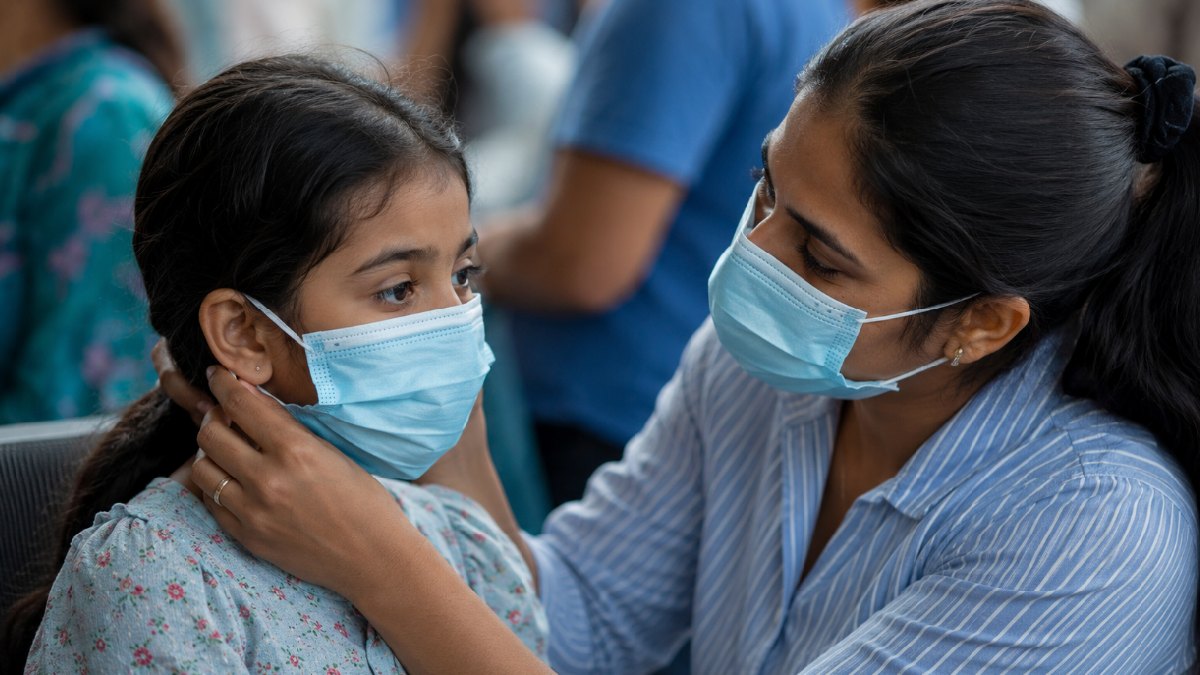
Chennai is experiencing a worrying rise in dengue infections as health officials find Aedes mosquito larvae in more than 3,000 houses in the city. The rapid increase in the number of mosquito-borne diseases is adding to the risk of a few dengue cases in August. Based on the estimates, 302 dengue cases were reported in the first three weeks of the month which points to the need for better preventive measures and public awareness.
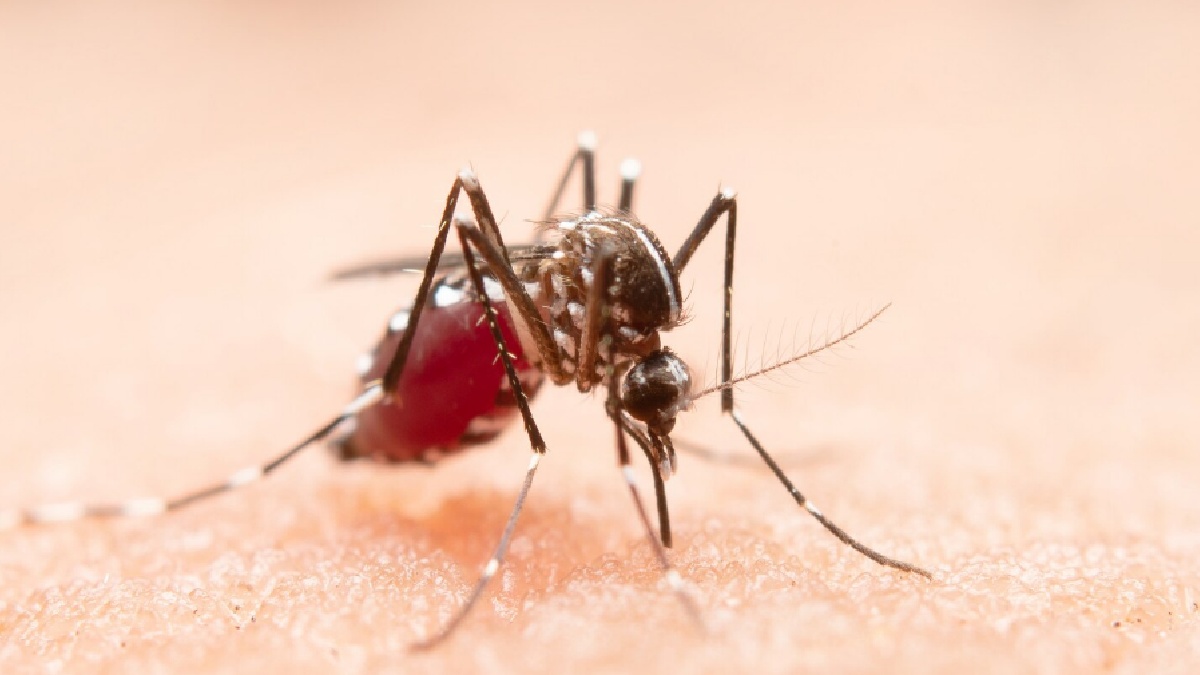
The detection of Aedes larvae in thousands of residential premises is especially important because the Aedes mosquito is the principal vector of dengue transmission. These mosquitoes breed in relatively small pools of stagnant water; water stored in containers, discarded materials, flower pots, tyres and other household items. Thus, regular inspection and elimination of breeding sites is still one of the most important ways to limit the spread of the disease.
Among Chennai’s local areas, Thiru. Vi. Ka. Nagar has been one of the most populated ones with the highest number of houses testing positive for Aedes larvae. The number of mosquito larvae in the area was found in 610 houses. The figure has also drawn attention to the extent of mosquito breeding in residential neighbourhoods and the need to carry out long-term mosquito control efforts.
The problem also makes it clear how households can help reduce dengue transmission. Since Aedes mosquitoes often breed in and around homes, even a small amount of stagnant water can be a breeding ground. Residents should regularly empty and clean water containers, cover tanks and storage vessels properly, remove unwanted objects that can collect rainwater and keep surroundings free of stagnant water.
Dengue usually spreads through the bite of infected Aedes mosquitoes. Symptoms can include high fever, severe headache, pain behind the eyes, muscle and joint pain, nausea and skin rashes. Most patients recover with proper medical care, but dengue can become a serious disease at times and timely treatment is vital if warning signs are shown.
The rise in cases in August is also in a period when weather can lead to mosquito breeding. Frequent rainfall and accumulation of water can also create more breeding sites if stagnant water is not removed promptly. The urban areas with dense populations are at risk because mosquitoes will find numerous breeding sites in residential and commercial areas.
Public health and civic authorities have typically leveraged surveillance, source reduction, larval control and awareness campaigns for dengue control. Identifying houses where Aedes larvae are present can enable authorities to focus their mosquito control on sites where breeding is most common. But residents are likely to be most willing to cooperate by allowing inspections and addressing breeding sites in their neighbourhood immediately.
This report also reaffirmed the importance of early recognition of dengue symptoms. People with high fever or other symptoms of dengue should seek medical advice rather than medicate themselves. Hygiene, hydration and medical advice are important in recovery and medicines should only be taken according to professional advice.
The recent developments in Chennai serve as a harsh reminder that dengue control cannot only be about cleaning drives. Mosquito breeding can return quickly when stagnant water accumulates, so regular checks are necessary. Communities, apartment associations, schools, workplaces and local authorities can all play a role in identifying and removing breeding sites.
With 302 dengue cases reported during the first three weeks of August and Aedes larvae detected in more than 3,000 houses, the city is facing a clear public health risk. Thiru. Vi. Ka. Nagar, where 610 houses allegedly tested positive for larvae, shows the magnitude of the problem in affected areas. Continued surveillance, prompt mosquito-control action and active participation from residents will be crucial to avoid further transmission in the remainder of the season as Chennai moves through the remaining weeks.