The Cockroach Janta Party (CJP) on Friday raised concerns over the alleged deployment of facial recognition-equipped vehicles by the Delhi Police at the Jantar Mantar protest site and questioned the collection, use and storage of biometric data of demonstrators.
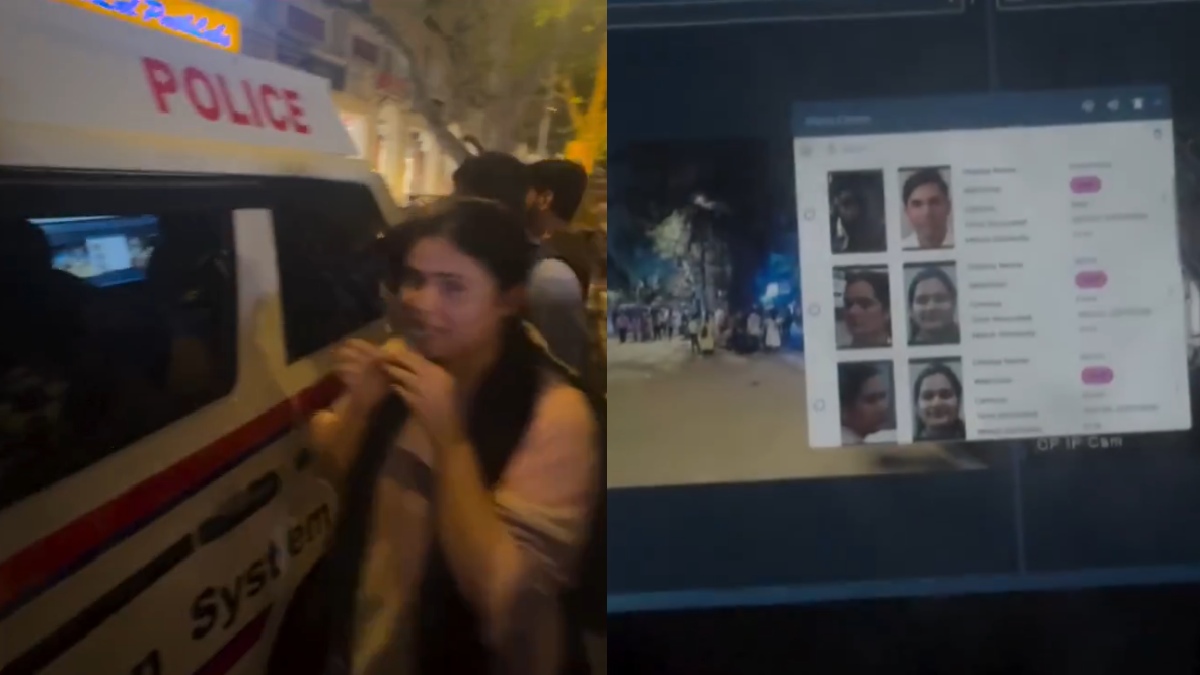
In a social media post, the group described Jantar Mantar as “a protest site, not a digital open-air prison” and sought clarification on the legal basis for the alleged real-time scanning of protesters.
CJP claimed that facial recognition vans were being used to identify individuals at the protest site and questioned how the technology was obtaining the data required for such identification. The organisation also asked whether databases such as Aadhaar records or other public registries were being linked to facial recognition systems.
The group also asked for answers on how data collected through the alleged surveillance would be stored, processed and retained. It claimed mass monitoring of people participating in a lawful protest could raise serious constitutional and privacy concerns.
CJP referred to the Supreme Court’s landmark Puttaswamy judgment which recognised the right to privacy as a fundamental right under the Constitution. Any large-scale collection or processing of biometric information must have a clear legal basis and appropriate safeguards, the organisation said.
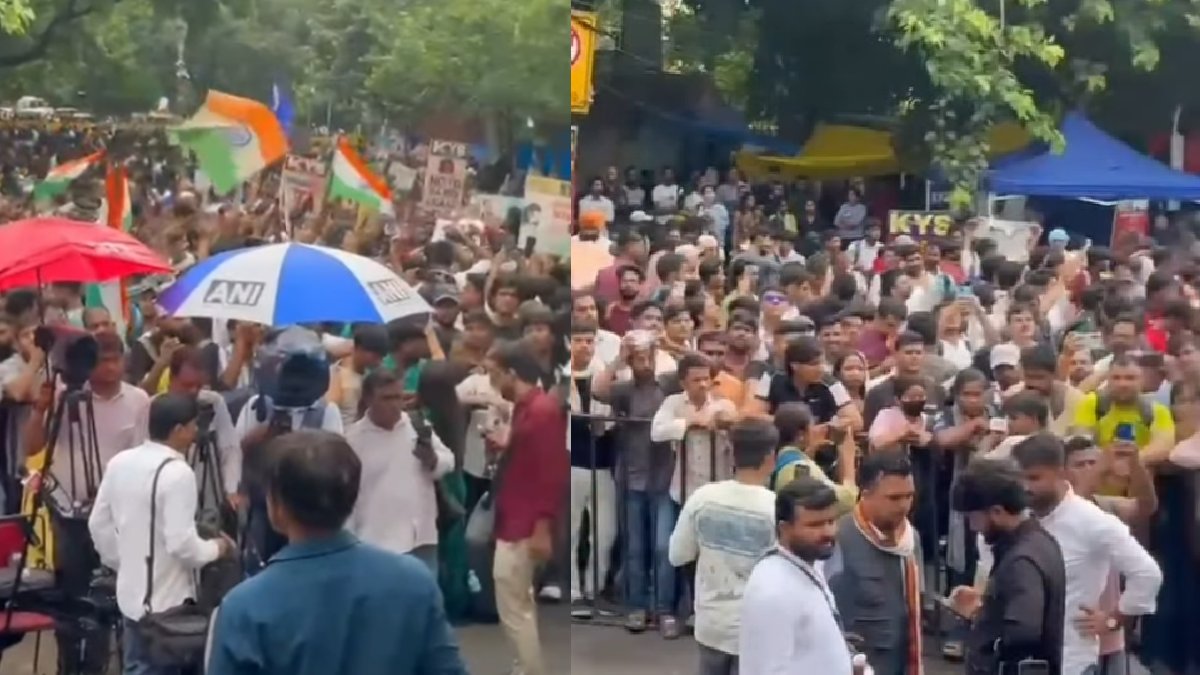
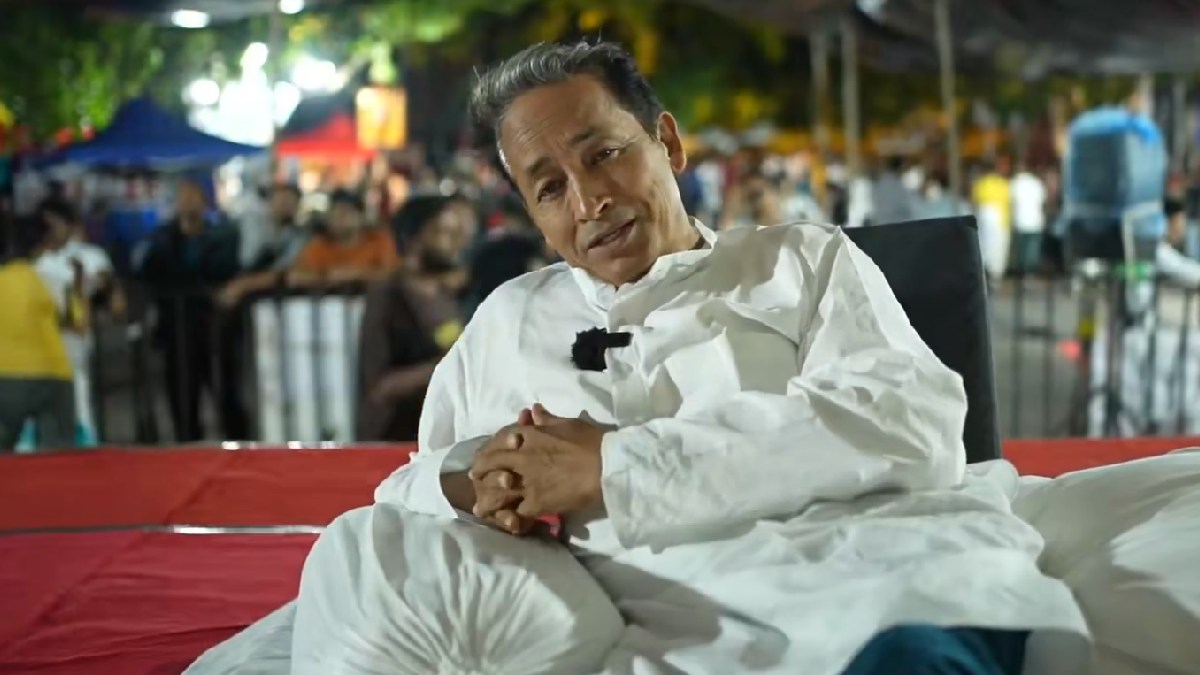
The allegations come at a time of increased security presence at Jantar Mantar, where alleged examination paper leaks and demands for reforms continue. So far, the unrest led by CJP and activist Sonam Wangchuk has been boiling over in tension between the demonstrators and security personnel.
The issue of alleged facial recognition surveillance has also reached the Delhi High Court under public interest litigation in which protesters voiced concern over the surveillance. The Delhi Police denied unlawful snooping and said any recording or monitoring was being done for the purposes of maintaining law and order.
Police have maintained that security measures are for the good of public safety and prevent further disturbances. Violence in recent protests and clashes around Parliament Street and Jantar Mantar has also been investigated by the force, they said.
Recent sources say investigators are looking at CCTV footage, video recordings, facial recognition systems and social media posts to identify those who were involved in the violence. There are multiple First Information Reports (FIRs) after the clashes during the protests.
The controversy intensified after the CJP-organised “Sansad Chalo” march also left more than 170 people – protesters and security personnel – injured, according to sources. Police increased security measures and launched investigations into those who may have been involved in the violence, they said.
The latest accusations by CJP have now brought a new dimension to the existing dispute, taking the protest security debate to the privacy and artificial intelligence-based surveillance technology.
CJP has been calling for greater transparency regarding the supposed deployment of facial recognition vehicles and the handling of biometric information. The organization wants to know what data is being collected, if existing government databases are being tapped, who has control over the information and how long it will be retained.
The Delhi Police has not yet provided a new response to CJP's recent allegations of the alleged deployment of facial recognition vans at the protest site. And the legal and political debate over protest rights, public safety and digital surveillance is likely to continue.