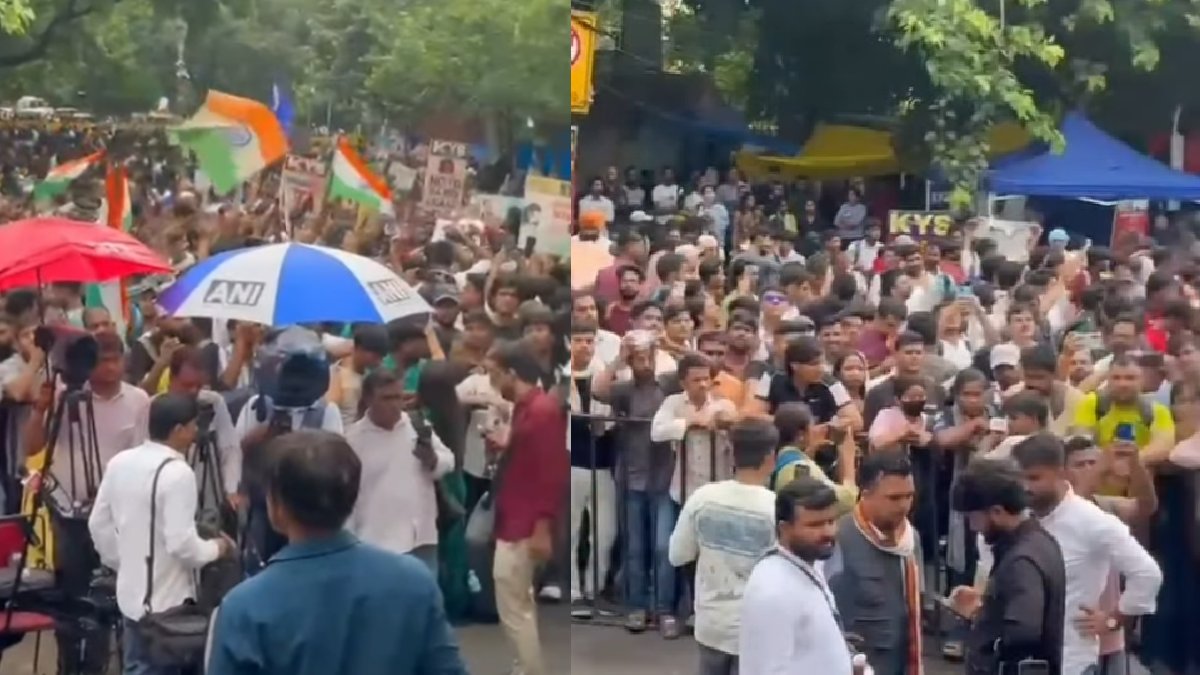
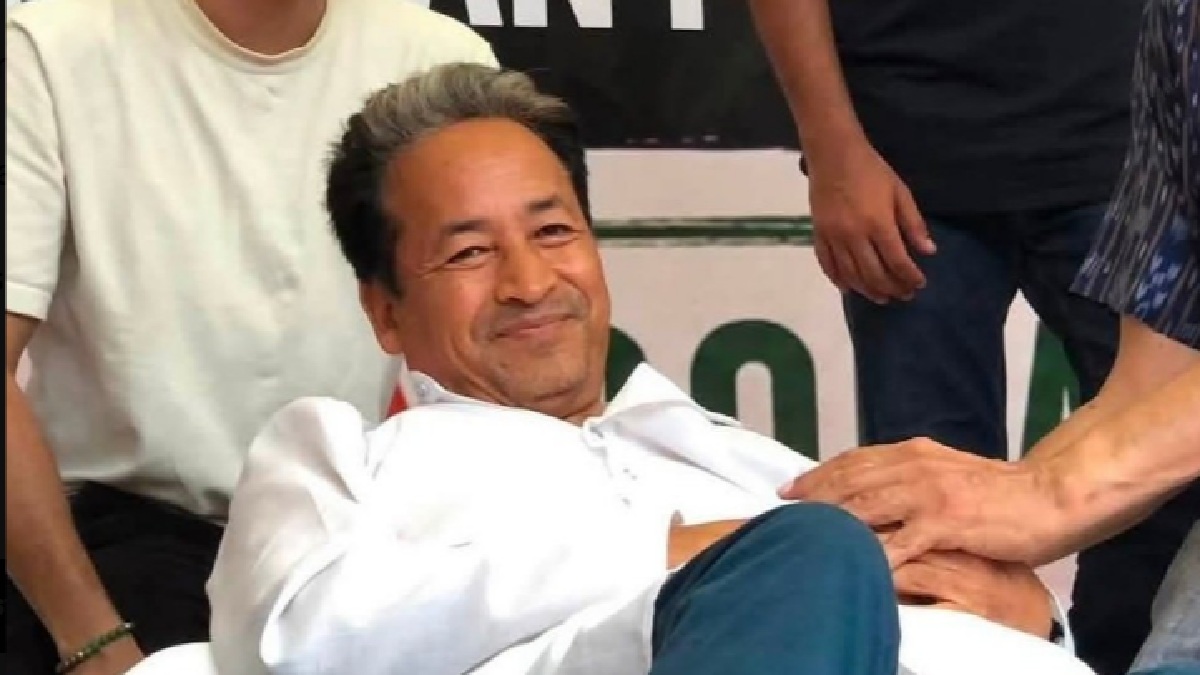
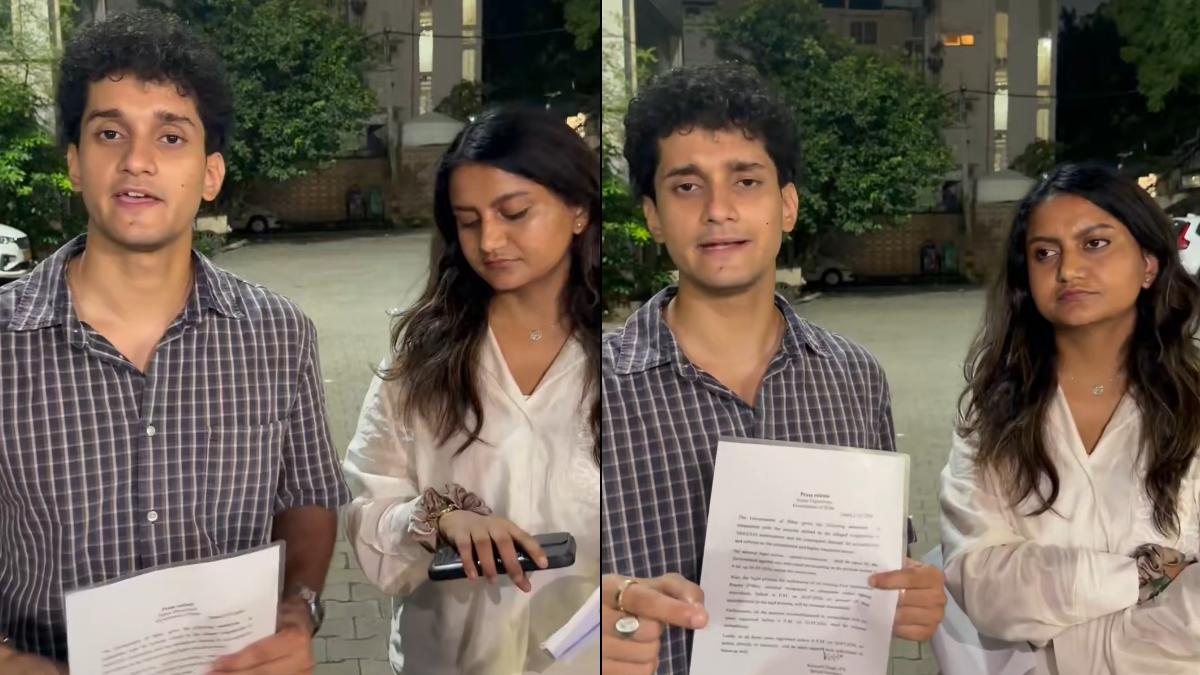
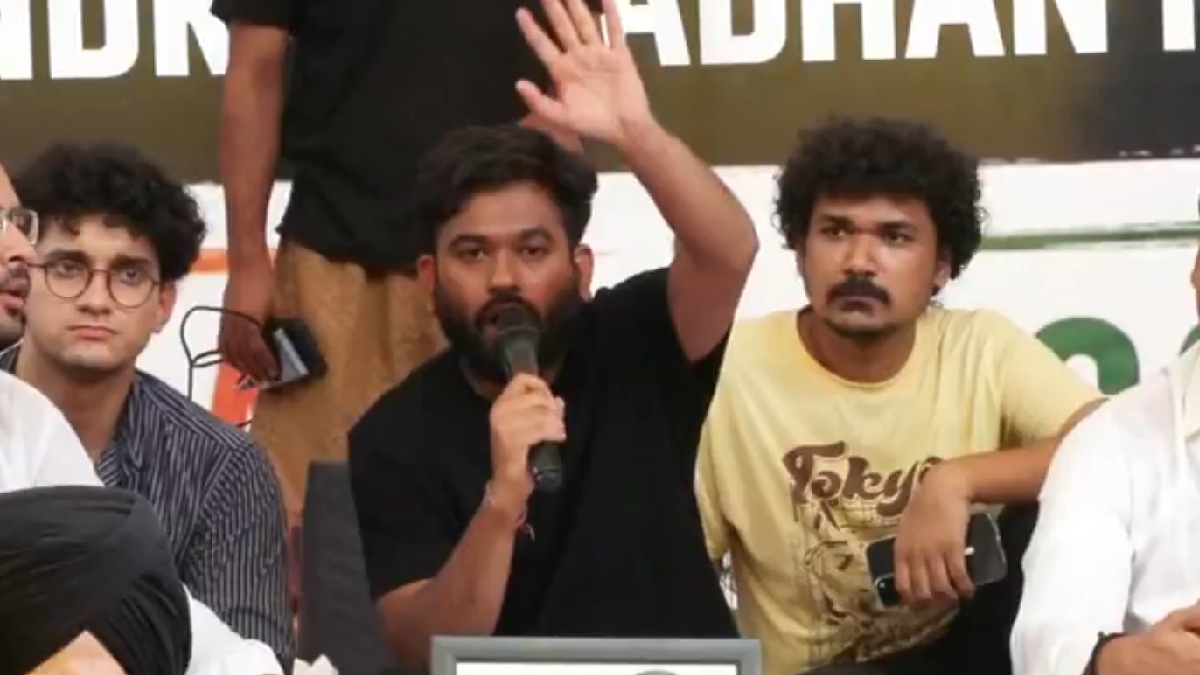
The CJP has rejected the government’s offer for dialogue and has refused an invitation from BJP National President JP Nadda to meet either at his office or official residence. So far, there are reports of the CJP telling the government that any meeting should take place at Jantar Mantar, where its members have been protesting.
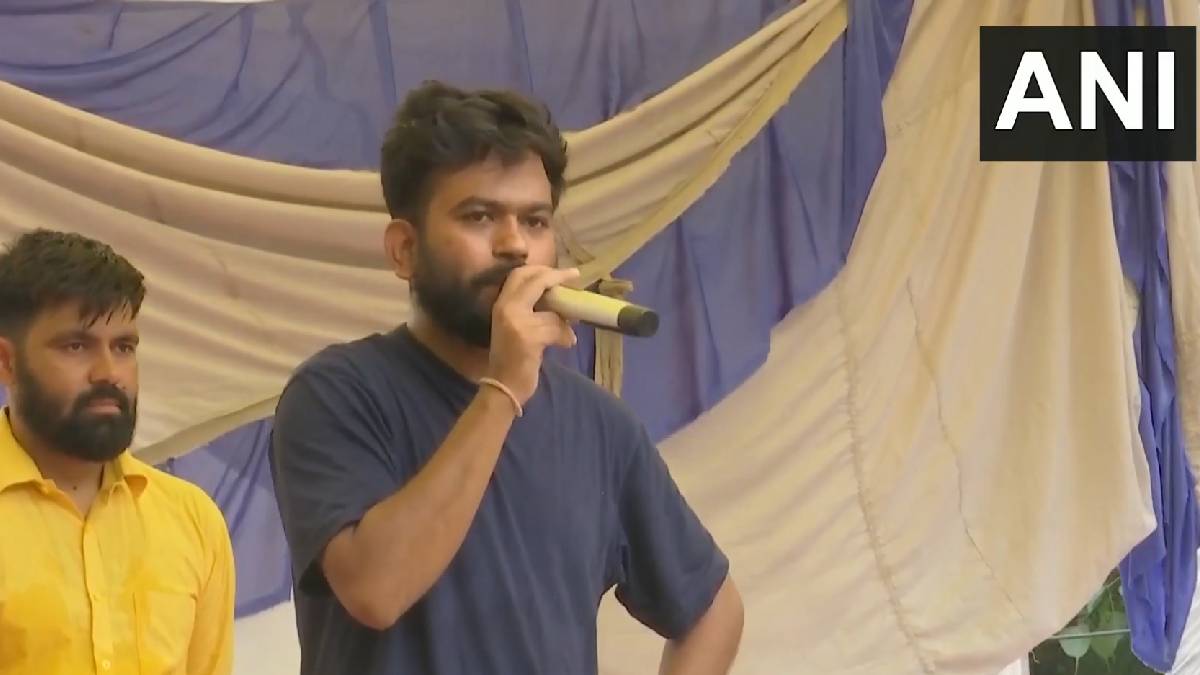
JP Nadda had earlier publicly said he was willing to meet CJP representatives and that they were welcome to come to his office or his residence for dialogue. The offer was widely seen as an attempt to start dialogue and address the concerns raised by the protesting group through direct engagement.
However, the CJP has refused to take the invitation so far. The organization has actually turned down the government’s proposal of meeting at the protest venue to have the discussion.
The different positions have left an impasse on where and how dialogue should take place. The government has said it is willing to speak at the government’s official bases, but the CJP appears to prefer that discussions take place at the site of the ongoing protest.
The CJP's preference for Jantar Mantar has not been made clear in public statements. The government has not indicated if it would consider changing the venue for any future discussions.
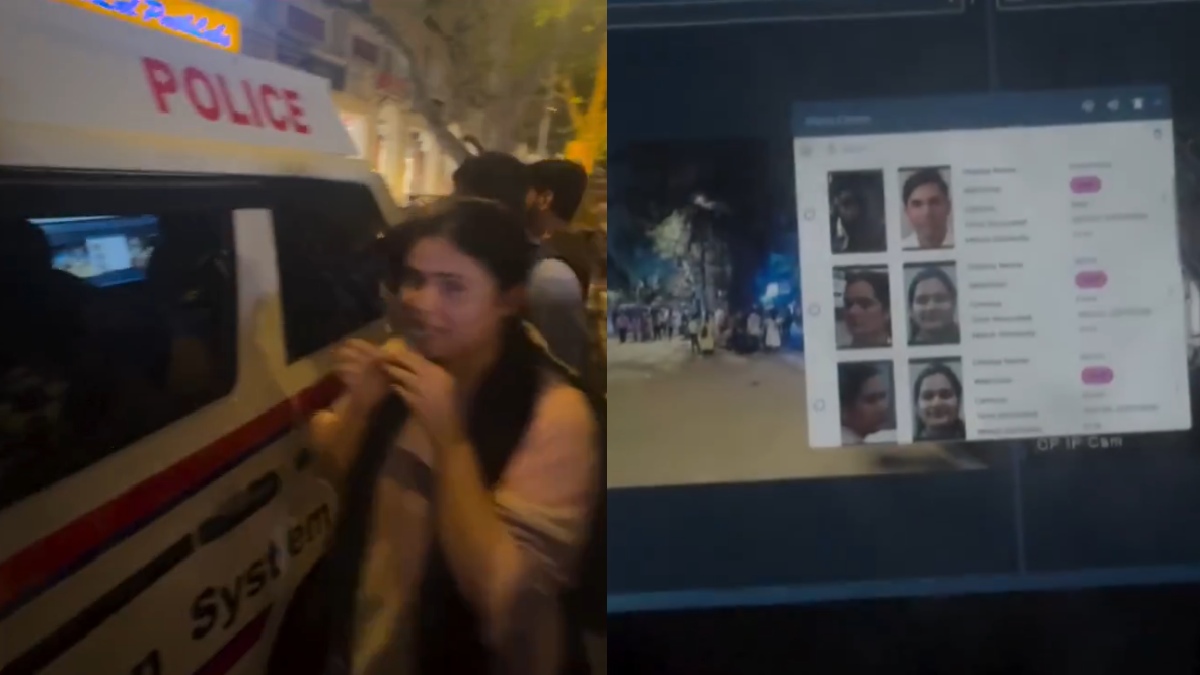
Political observers say disputes over the venue of negotiations can sometimes keep talks from moving forward or even keep them from happening, even if both sides would like to talk about the issues. A reasonable starting point for dialogue is to set the terms for talks to be mutually acceptable.
The developments come as political attention is on the protests and politicians from different sides are speaking out. The BJP has said dialogue is the preferred way to resolve disputes, as the CJP is pressing its case with rallies.
Whether either side will soften its positions over the next few days is uncertain. If both sides are able to come up with a good framework for talks, it is possible for both sides to proceed; then talks could still take place. But until now the stalemate over the meeting venue seems to have delayed the possibility of any immediate talks.
As we move forward in this time, how do we unite public protest and formal political engagement? We think the more we do, the more we will see if more than a few new approaches can bridge that gap and open the door for dialogue.