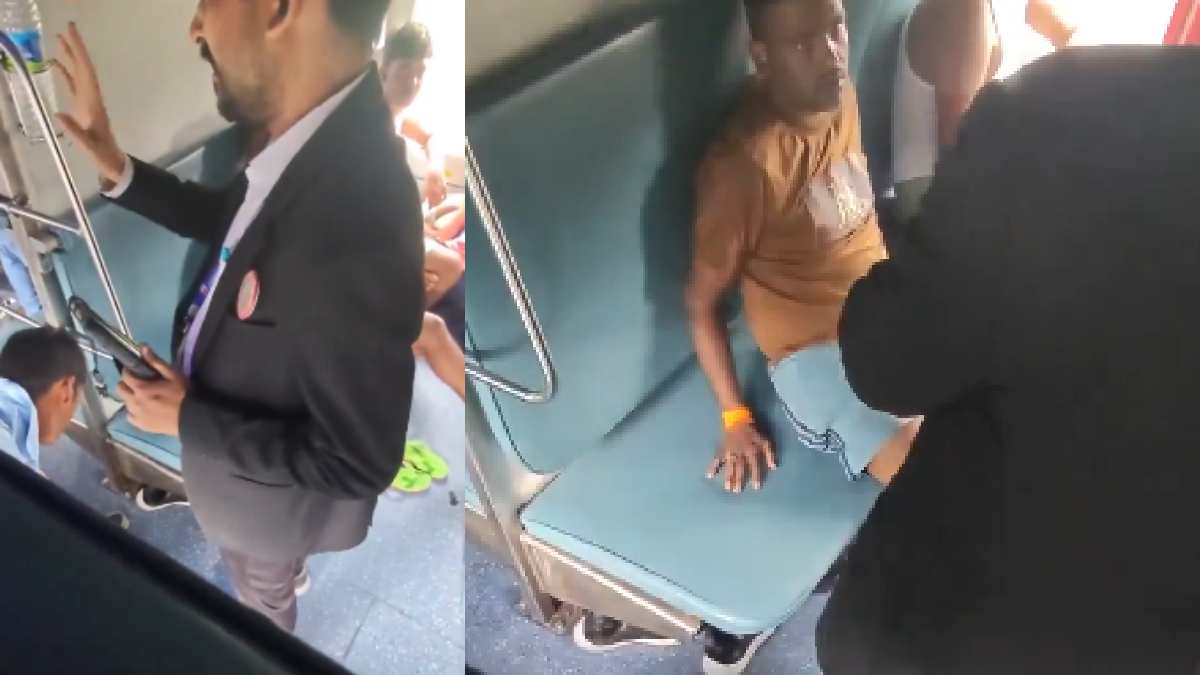
India’s Railways have come a long way in recent times. Trains are cleaner, stations are better maintained, the workers work endlessly to make sure clean public spaces exist as they should. But still some have turned the trains into their own personal dustbins. In fact, in a recent illustration, a man casually threw peanut shells on the spotless floor of a coach, with no civic sense and a gleam of pride in his actions. This behavior is not merely litter, but symptomatic of a state of mind that is keeping India on the back foot toward actual cleanliness.
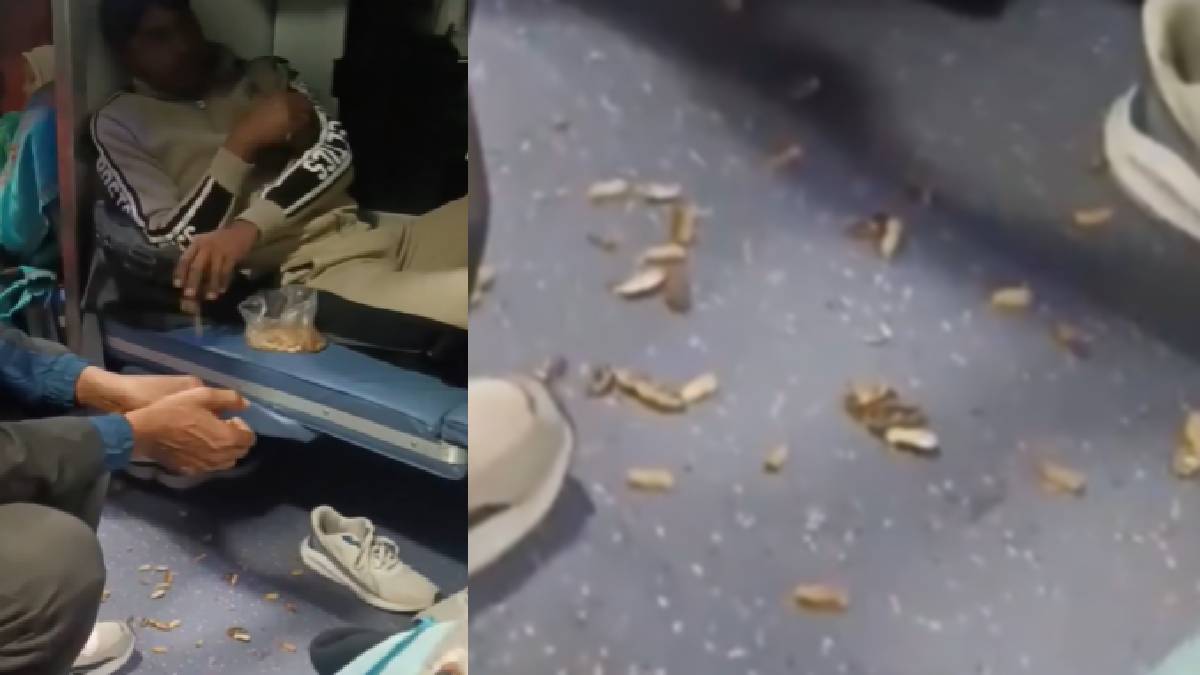
But public spaces are not extensions of homes, as many people often mistakenly believe. Even the ones who clean houses have little concern for trains, buses or streets. To toss peanut shells, plastic wrappers or bottles on the floor of a train may sound small but it can add up fast. In mere minutes, a clean coach can resemble a garbage dump. The lack of civic duty here undermines the efforts of railway workers who serve the railways in cleaning trains endlessly. No matter how many times the Railways clean, careless passengers undo it in moments. The result is wasted effort, wasted money and a bad experience for everyone else.
The train is spotlessly clean, yet this man proudly displays zero civic sense 🤡 by throwing peanut shells on the floor and turning the coach into a dustbin.
— The Nalanda Index (@Nalanda_index) February 3, 2026
This is the exact mentality that keeps India struggling.
The Railways clean the trains again and again and people like… pic.twitter.com/z8gFSP6iUp
Cleanliness is a struggle in India, and so is the discipline of people. When people litter without guilt, they are sending a message that public space doesn’t count. This thinking harms the country’s reputation, deters tourism and poses health risks. Government campaigns alone will not make Clean India. And that requires a mental shift. Until people can realize that maintaining public spaces is as important as cleaning their homes, further progress will be only modest.
Education is key, awareness is also important, but so is being able to strictly enforce those provisions. Heavy fines for littering in trains and stations can work as a deterrent. Just as traffic rules are enforced by penalties, civic rules need to be paired with consequences. If passengers know they’re going to get fined for tossing waste on the floor, they will take a pause instead.
Railway authority bodies may also introduce, for example:
- Add more dustbins in coaches.
- Having awareness initiatives inside trains.
- CCTV cameras to help police and punish offenders.
- Helping passengers report irresponsible behavior.
The answer is shifting attitudes, after all. Everyone needs to realize public spaces are not exclusive. It shows respect, maturity and responsibility. Cleanliness, as much as hygiene, is human dignity. The Railways and fellow citizens who occupy this space are also subjected to a sense of disrespect when passengers litter.
From a young age, parents and schools should emphasize the importance of teaching children civic responsibility. If children grow up learning that littering isn't O.K., they will take that habit into society as adults. Besides, social campaigns, advertising and local programs may also reinforce the message.
The Railways can clean trains again and again, but real cleanliness is only going to come when people stop doing them dirty. Throwing peanut shells on the ground may sound small, but it's a big problem, a lack of civic sense.They need tough enforcement and heavy fines, but more important they need mindsets. Public places are not individual trash bins. They deserve respect and care as our homes. There will be no clean India until civic duty is integrated in daily life.