Climate change is no longer only an environmental issue; it is one of the world’s most pressing public health challenges. And a new global review has warned that rising temperatures, more frequent floods, prolonged droughts, and changing rainfall patterns may reverse decades of progress in reducing waterborne diseases, putting millions of people at greater risk of serious illness and death.
It also included findings published in the prestigious journal Nature Reviews Microbiology, and the research was supported by the University of Colorado Anschutz Medical Campus and the University of Washington. The review examined the most recent global evidence of how climate change is changing the spread of bacteria, viruses, and parasites that cause diseases transmitted through contaminated water.
Climate Change is altering disease transmission
The researchers say climate change is changing the environment that determines the conditions in which disease-causing microorganisms are able to survive, multiply, and infect humans.
The study found that climate change does not affect every pathogen in the same way. Instead, bacteria, viruses, and parasites react differently to rising temperatures, humidity, rainfall, and water availability. Public health authorities will need disease-specific strategies instead of a single approach to prevent outbreaks.
Floods and Droughts Both Increase Risk
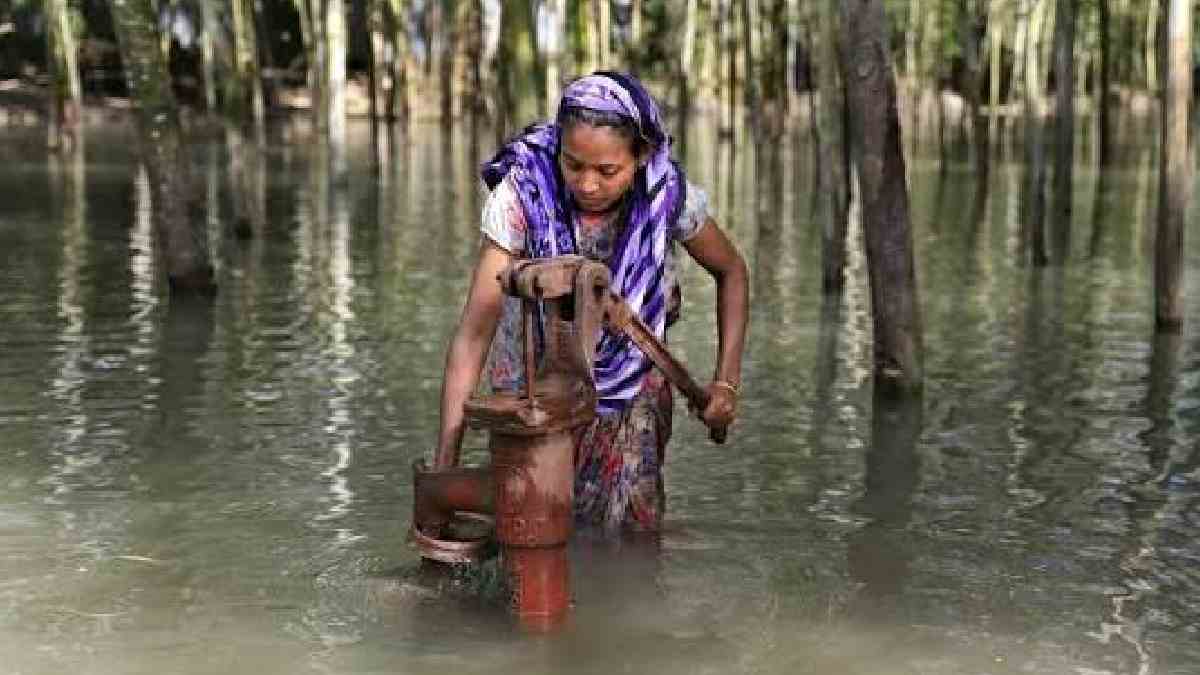
Flooding has long been linked to outbreaks of waterborne diseases because heavy rains can overwhelm sewage systems and contaminate drinking water supplies.

And yet the review also notes that droughts can be just as dangerous.
During prolonged droughts:
- Safe drinking water is scarce.
- Contaminated water sources could be used by communities.
- Lack of water results in poor hygiene practices.
- Disease-causing microbes become more concentrated in the remaining water.
On the other hand, heavy rainfall and flooding can wash pathogens into rivers, lakes, and reservoirs and lead to massive pools of water that are infected with bacteria and outbreaks.
Different Pathogens Behave Differently
One of the most striking conclusions of the review is that climate change affects different microorganisms in different ways.
Researchers found that:
- Higher temperatures promote the growth, survival, and virulence of many bacterial and protozoan pathogens.
- Some viruses, such as norovirus, rotavirus, and adenovirus, spread more efficiently in cooler and drier conditions, so their transmission patterns may change with changes in climate.
- Rainfall, humidity, and water temperature can vary where and when pathogens thrive.
These interactions between disease dynamics and disease outbreaks make it increasingly difficult to predict future disease outbreaks.
Children Face the Greatest Risk
Waterborne diseases are still among the leading causes of illness and death worldwide, particularly in low- and middle-income countries where access to clean water and sanitation remains limited.
Children under the age of five are particularly vulnerable. Infectious diarrhoeal diseases cause nearly 1.2 million deaths each year, and are one of the world’s deadliest infectious health threats.
The researchers warn that climate-related disruptions could add to this burden if preventive measures are not strengthened.
Climate Change Impacts Each Stage of Disease Spread
The review highlights that waterborne diseases emerge through interactions of three factors:
The pathogen
The human host
The environment
Climate change is influencing each of these by:
- Caring for the survival of pathogen populations and how quickly microbes can reproduce.
- Changing pathogen virulence.
- Changing human exposure to contaminated water.
- Destroying water supply and sanitation infrastructure in extreme weather conditions.
- Allowing pathogens to move through ecosystems.
And these changes all give way to more favorable conditions for disease transmission in cities and rural areas.
Experts Call for Stronger Public Health Measures
Professor Elizabeth Carlton, Chair of the Department of Environmental and Occupational Health at the University of Colorado School of Public Health and co-author of the review, said governments must adapt their public health strategies to address the growing impact of climate change on infectious diseases.
Researchers have suggested several measures:
- Strengthening disease surveillance systems.
- Investing in climate-resilient water and sanitation infrastructure.
- Developing pathogen-specific disease control strategies.
- Improving early warning systems for climate-induced outbreaks.
- Expanding access to safe drinking water and sanitation for vulnerable communities.
Looking Ahead
The study adds to growing scientific evidence that climate change is changing the global landscape of infectious diseases. While mosquito-borne diseases like malaria and dengue always dominate public discussion, experts say waterborne diseases deserve equal attention because billions of people still don’t have reliable drinking water.
The authors add that reducing greenhouse gas emissions is essential, but adaptation is also critical. Protecting water quality, strengthening sanitation systems, and preparing healthcare infrastructure for changing disease patterns will be critical to prevent climate change from reversing decades of progress in health in the future.