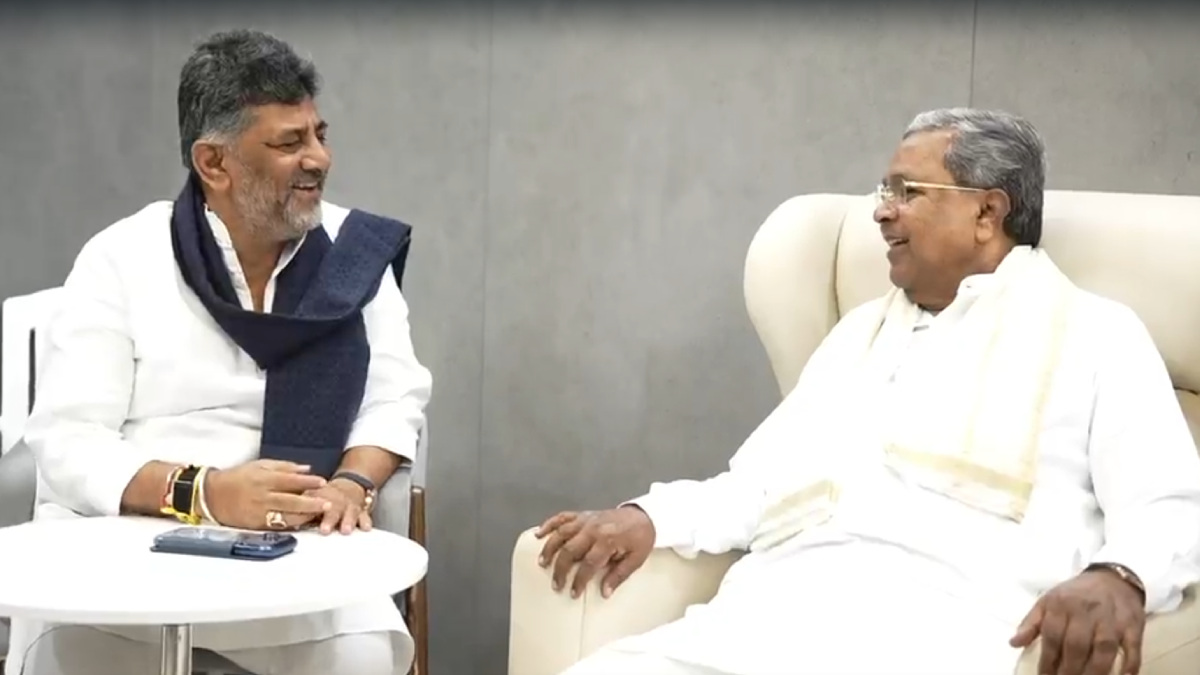
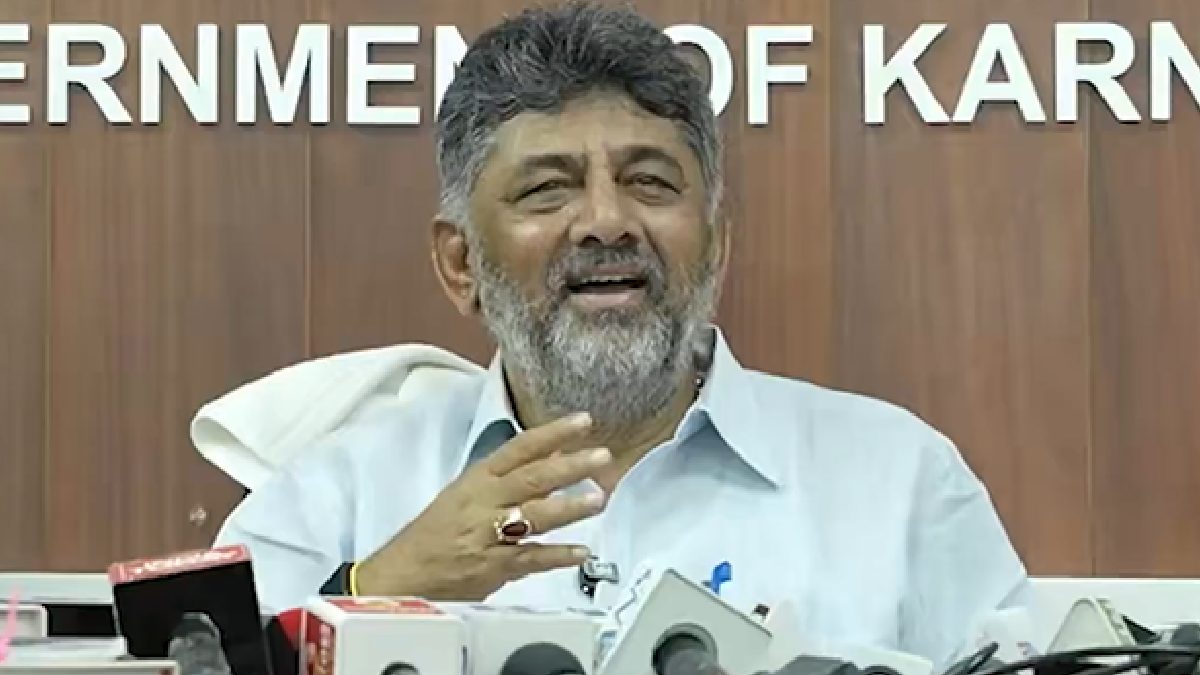
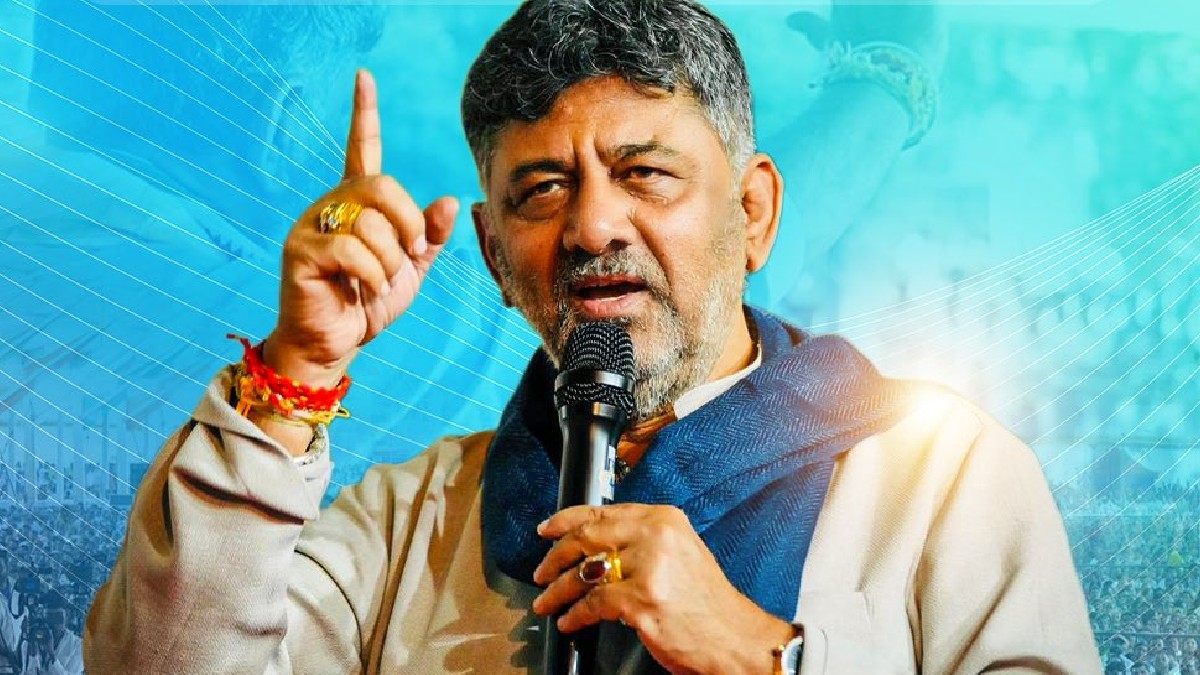
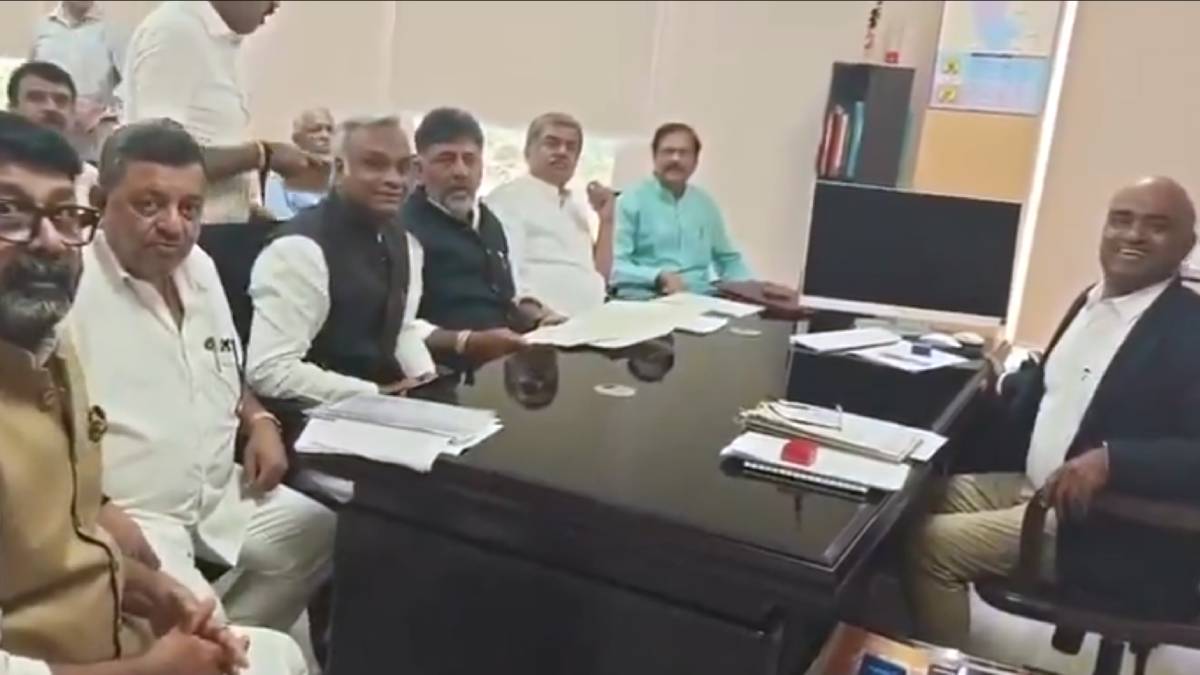
Karnataka Chief Minister D.K. Shivakumar arrived at the office of Chief Electoral Officer Anbukumar in Bengaluru on Thursday, October 1, in the midst of the growing controversy over the possible removal of voters' names from electoral rolls under the current Special Intensive Revision (SIR).
Shivakumar has asked for a criminal investigation into the alleged misuse of Form 7, which is used to request deletion of names from electoral rolls. The Chief Minister has ordered FIRs against persons who have engaged in unlawful activity linked to the voter-list revision process.
The latest development comes after reports of bulk Form 7 applications filed in a number of parts of Karnataka. Four FIRs have already been registered in connection with bulk Form 7 submissions, including two filed in Belagavi and one in Bhalki, according to media reports on Thursday.
The controversy centres on alleged voter details used in applications to delete names, and questions also arise about applications with pre-printed voter information. Shivakumar has asked the Chief Electoral Officer for constituency-wise information regarding objections submitted through Form 7, including bulk applications and whether they contained the required reasons and particulars.
But Shivakumar said, “Every genuine voter’s right to vote must be protected,” calling for action against anyone who manipulated the electoral-roll revision process.

#WATCH | Bengaluru: Karnataka CM DK Shivakumar, along with 6 ministers, is present at the office of Chief Electoral Officer Anbukumar, demanding an FIR over alleged mass deletion of voters.
— ANI (@ANI) October 1, 2026
(Source: CMO) pic.twitter.com/1HqkkiflLK
The issue has emerged as Karnataka’s SIR process moves toward the next stages of claims and objections. There are complaints about large numbers of deletion applications in a number of constituencies. The Times of India said attempts involved around 4,600 voter names in two Assembly constituencies, and the Indian Express said bulk deletion applications in at least four constituencies were flagged.
Shivakumar also cited inconsistencies in the classification of voters as absent, shifted or deceased in a civil society audit submitted to him. The report was based on house-to-house verification at 100 polling booths in 25 districts. But the survey is only a sample of the revision—not all voter deletion data and has not been a statewide check of every voter deletion.
The Election Commission has also ordered a review of its voter-roll software in light of changes to the electoral rolls. The Commission maintains that its processes are legal and has said a committee of a senior election official and an independent technology expert will review whether the software complies with election laws and rules.
The dispute has therefore become a more general political and administrative problem: the Karnataka government insists on an investigation into the alleged irregularities while election authorities continue the SIR process.
The Chief Minister's visit to the CEO's office is another escalation in the dispute. The immediate focus is to verify the Form 7 applications, identify any applications that were improperly submitted, and determine if criminal offences occurred.
The verification of disputed voter entries will be closely followed by political parties, election officials and voters across Karnataka in the claims and objections process. Any FIRs or further investigation will depend on the evidence available to the authorities.