CJP (Cockroach Janta Party) has declared a nationwide call for a peaceful protest march in New Delhi on 5 September 2026, and accuses the Government of India of failing to honour promises made to young people on 25th July.
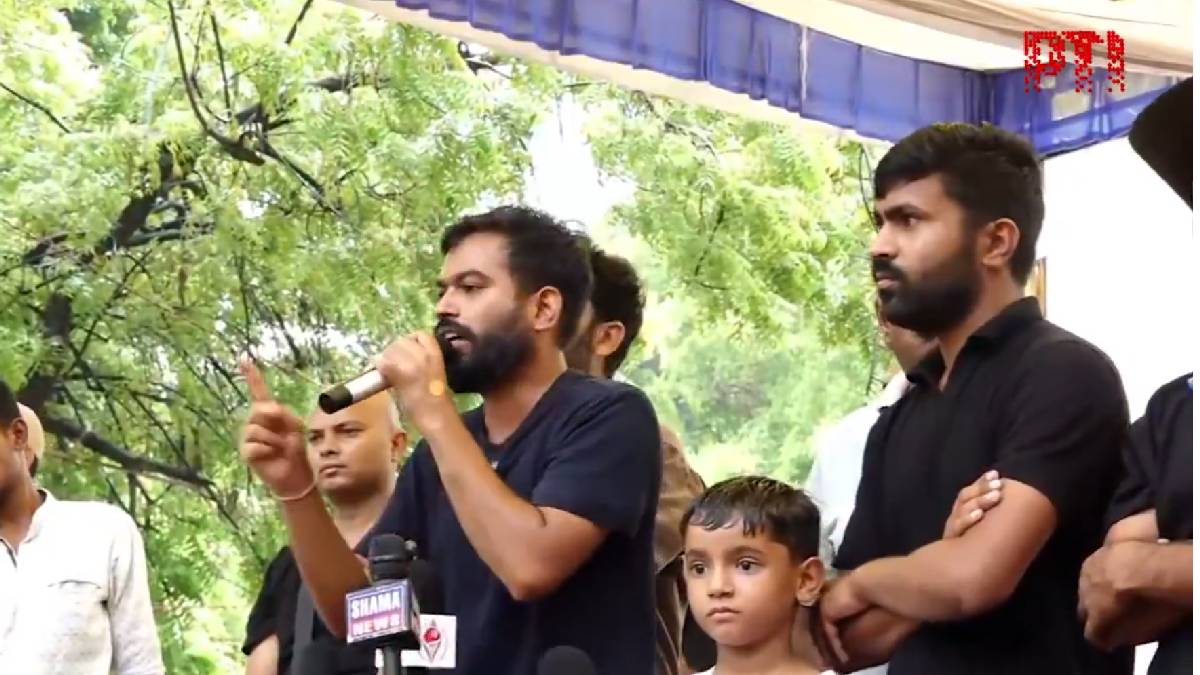
The demonstration will bring together students, youth organisations and young people from across the country, the announcement said. The protest is being presented as a peaceful march to hold people accountable for their actions that protesters say paved the way for them to boycott earlier nationwide youth demonstrations in good faith.
The march is expected to begin at India Gate and proceed to New Delhi Police Headquarters. Organisers have said that the demonstration will be led by families of deceased NEET victims and people described by the CJP as victims of police brutality.
The decision to put families in the forefront of the demonstration is going to have a strong emotional and symbolic aspect to the planned protest. The event organisers are seeking to emphasise the personal impact of examination-related controversies, students’ complaints and allegations of police action during earlier demonstrations.
The CJP has framed the September 5 mobilisation as a response to what it describes as the government’s failure to follow through on commitments made on July 25. At that time, national youth protests were withdrawn after assurances were made, the organisation said, and protesters chose to allow the authorities to act.
The latest announcement indicates that the organisers now believe those commitments have not been adequately fulfilled.
The planned march is representative of the continuing presence of youth and student-related issues in India’s political and public discourse. Questions around competitive examinations, transparency, accountability and the treatment of protesters are also the topics students and young people are paying attention to.
For many students, examination controversies have implications far beyond academics. Competition for competitive exams like NEET determines access to highly sought-after educational opportunities and accusations of irregularities or unfair treatment can trigger strong reactions from aspirants and their families.
The CJP's decision to involve families of the deceased NEET victims in the planned march is intended to place those concerns at the center of the demonstration.
But the organisers have also said that the September 5 event will be peaceful. That distinction is crucial since in past demonstrations in the capital there were clashes and confrontations.
A large gathering of people coming from various parts of the country will require careful coordination. The proposed route from India Gate to the New Delhi Police Headquarters is located in a very secure and sensitive part of the national capital. Police and civic authorities may therefore issue traffic, security and crowd-management instructions ahead of the event.
Students, youth organisations and individual young citizens are expected to participate. The national nature of the call indicates that the event’s organisers are trying to transform the September 5 event into a wider youth mobilisation instead of a demonstration from one organisation or one city.
The success of the event will largely depend on the number of people who go to Delhi and on organisers’ ability to maintain discipline during the march.
The CJP has cast the demonstration as an attempt to achieve previously communicated commitments and not simply a protest campaign. The July 25 withdrawal is central to the organisers' argument that young protesters acted in good faith and now expect corresponding action from the government.
So the September 5 march is likely to be a crucial test of the government and youth groups’ response to unresolved grievances.
As the date approaches, the authorities will monitor developments closely, and this is because the proposed march is going to have many people taking part and a route through central Delhi. Any restrictions, permissions, route changes or traffic advisories issued by the authorities can affect the final form of the demonstration.
For now, the CJP has called on young citizens from across India to gather in New Delhi on September 5. With families of NEET victims and alleged victims of police brutality expected to lead the march, the organisers want to place questions of accountability, justice and government commitments at the heart of the event.
The planned demonstration will occur as students continue to have anger about how authorities deal with public protests. The peaceful nature of the September 5 march will be watched closely in the days ahead.