Commercial LPG cylinder prices have recently increased again since October 1, 2026, putting further pressure on companies that rely heavily on cooking gas. The latest revision has increased the price of 19-kg commercial LPG cylinders by around ₹60 to ₹70 in many major markets.
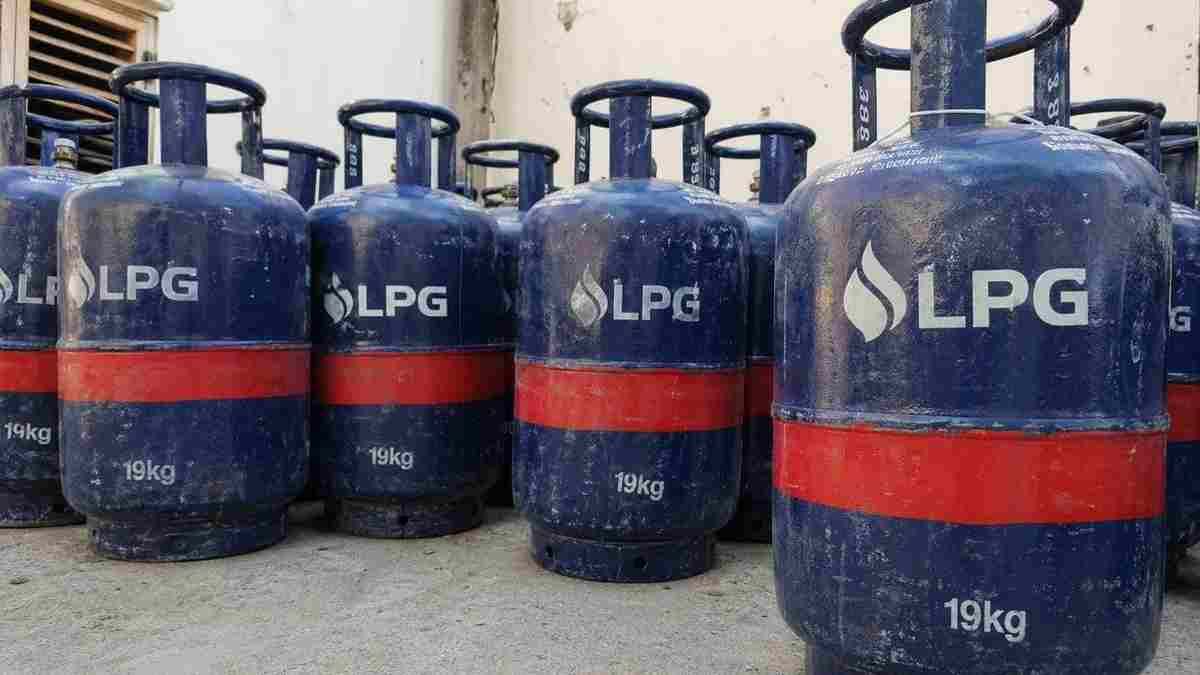
Still, there is some relief for household consumers. The price of domestic LPG cylinders has not changed in the latest monthly revision. So the increase will mainly affect commercial outlets like restaurants, hotels, eateries, cloud kitchens, caterers and other businesses using 19-kg cylinders.
According to the latest prices cited for Indian Oil LPG distributors, the 19-kg commercial cylinder in Kolkata is now priced at ₹2,954, after an increase of ₹70. In New Delhi, the price has risen by ₹62.50 to ₹2,810. In Patna, the increase is around ₹71.50. Commercial LPG prices have also been revised in other major cities, but the exact increase varies by location.
Commercial LPG prices increase again
The October 1 revision is another increase in commercial LPG prices in recent months. As reported, this is the seventh increase in commercial cylinder prices since the West Asia conflict began in late February.
The constant increase has added to operating costs for companies that use LPG as a major source of cooking fuel. Commercial gas prices are an issue for restaurants and food-service businesses because fuel is a recurring operating expense.
Small restaurants and eateries with very thin margins can see even a relatively small increase in the cost of cylinders affect monthly expenses. Large businesses, cloud kitchens and catering centers that consume multiple cylinders may see a more dramatic increase in their overall fuel bill.
The increase in commercial LPG prices is expected to be closely watched by the hospitality and food-service sectors. Commercial LPG is used for cooking and other processes in restaurants, hotels, roadside eateries, bakeries, canteens and cloud kitchens.
Businesses generally have several responses to higher input costs. Some can absorb the extra cost while others might adjust menu prices. In some cases, companies will probably find a way to reduce operating costs or reduce portion sizes.
If restaurants and other food businesses pass the higher fuel cost on to customers, consumers could eventually see higher prices for prepared food and beverages. The actual impact, however, will depend on each business's LPG consumption, other operating expenses, and pricing strategy.
Why do LPG prices change every month?
The oil marketing companies such as Indian Oil, Bharat Petroleum and Hindustan Petroleum monitor LPG prices on a regular basis; commercial LPG rates on the first day of each month are usually revised.
International energy prices and currency movements are among the factors that affect the cost of LPG in India. As India imports a large share of its LPG requirements, changes in global prices and the rupee's exchange rate with the US dollar can affect domestic pricing.
LPG is mainly made of propane and butane. It is stored and transported in liquid form under pressure so that large quantities of the fuel can be efficiently distributed.
India imports roughly 60% to 65% of its LPG requirements, making international market conditions an important factor in the domestic LPG supply chain.
Commercial LPG Price Hike Since March
The commercial LPG price revisions since the end of February in the LPG market have seen several significant increases. The changes reported are:
| Date | Reported Increase |
|---|---|
| March 1 | About ₹28 |
| March 7 | ₹114.50 |
| April 1 | About ₹195.50 |
| May 1 | About ₹993 |
| June 1 | ₹42 |
| September 1 | ₹9.50–₹11.50 |
| October 1 | Around ₹70 |
The latest increase comes as businesses continue to monitor fuel and other input costs. While domestic LPG users have seen no price change in the October revision, commercial users will have to account for the higher cylinder cost from the beginning of the month.
The main difference for consumers is that the new increase is applied to 19-kg commercial LPG cylinders, not to the domestic cylinders in households.
With LPG prices revised monthly, businesses and consumers will continue to follow international energy markets, currency movements, and future announcements by oil marketing companies for further changes.