It seems that the Congress party in Punjab is in a state of renewed turmoil in the party, after news that a party panel has considered former Chief Minister Charanjit Singh Channi as a possible replacement for state Congress chief Amarinder Singh Raja Warring.
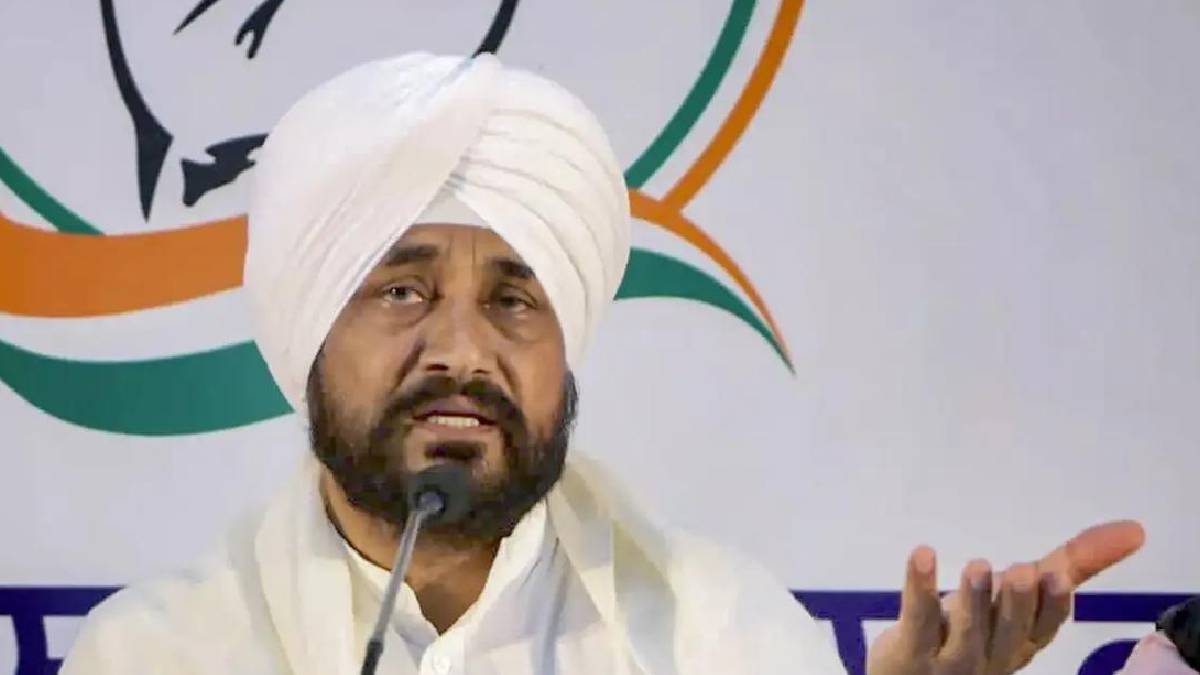
No official change has been announced but the speculation has once again brought into focus the party’s factional dynamics.
The development comes at a sensitive time for the Punjab Congress, which is trying to rebuild its organisational strength after electoral defeats and prepare for upcoming political challenges. Some of the party leaders believed Channi’s mass appeal, especially among Dalit voters, could bring back the party’s prospects in the state, sources close to the party said.
Raja Warring, who is currently chairman of the Punjab Congress, is hailed by his supporters for galvanizing the cadre and taking a tough stand against the ruling AAP (Aam Aadmi Party). But some in the party have wondered if his leadership has been able to bring all factions together and establish the party’s base away from its traditional base.
Channi’s continuing relevance
Charanjit Singh Channi is one of the most popular figures in the Congress in Punjab. As the state’s first Dalit Chief Minister, he still has power in the hands of many and party organisations. That he has a grassroots connect could be crucial in a state where caste and community relations are central to elections.
The reports of a panel considering Channi for a larger leadership role have thus been interpreted by many observers as a sign that sections of the Congress are still searching for the most effective face to lead the party in Punjab.
Warring camp pushes back
People who are close to Raja Warring dismissed the claims of “a leadership change” in the party but insist he has the party’s confidence and is still chairperson of the state unit. They say that there are more than a few people wondering about any kind of leadership change which only serves to weaken the party and distract from the party’s fight to resist the AAP government.
As party insiders say, the issue is not only about Channi and Warring. It is indicative of a larger debate in the Punjab Congress around strategy, caste representation, organisational control and the party’s electoral messaging.
A familiar Congress problem
The Congress has long had trouble in Punjab with factionalism. At key moments of political action, senior leaders’ differences have always been seen, and the party has frequently been unable to present a united front.
The latest episode has revived memories of earlier leadership disputes that led to instability within the state unit. Political analysts say if Congress doesn’t resolve these internal differences, it may find it difficult to fight back against the AAP government and the Shiromani Akali Dal-BJP alliance.
What lies ahead
For now, the Congress high command has not seemed to make any immediate changes in Punjab leadership. But the very fact that such discussions have entered the public domain suggests that the party’s internal faultlines remain active.
The Congress will need to balance competing ambitions and organisational unity and also put in place a leadership structure as Punjab moves closer to future elections. Whether Raja Warring retains firm control or Channi has more power, the episode proved that the struggle for power in the Punjab Congress is far from over.