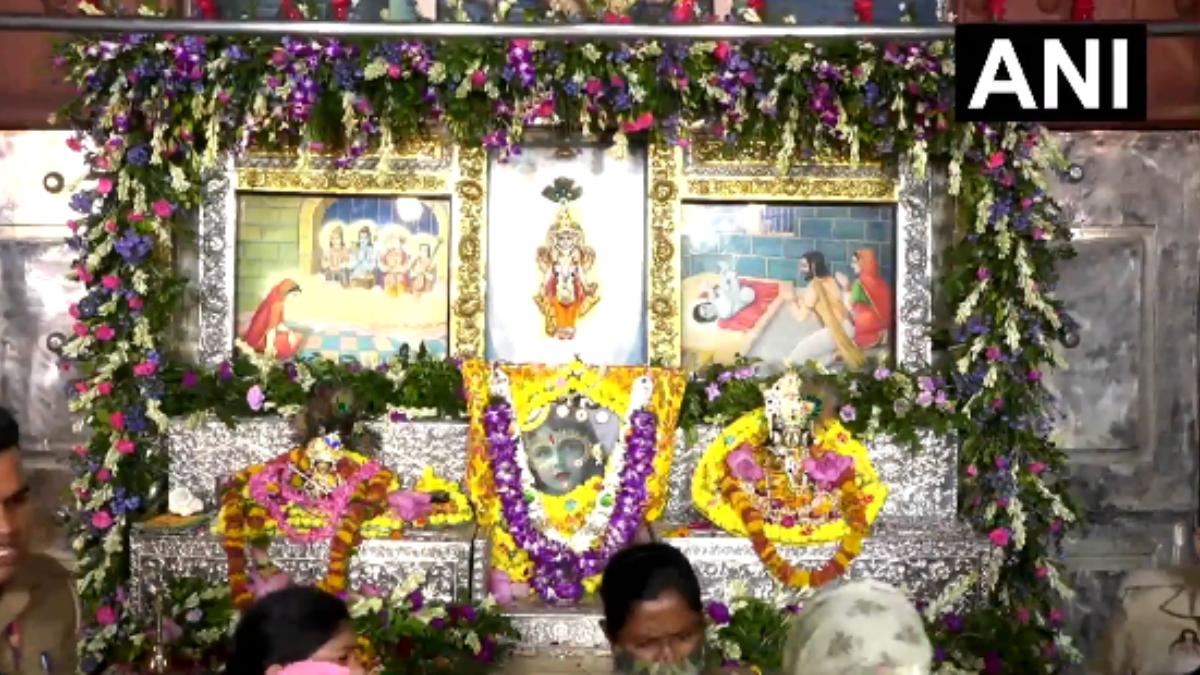
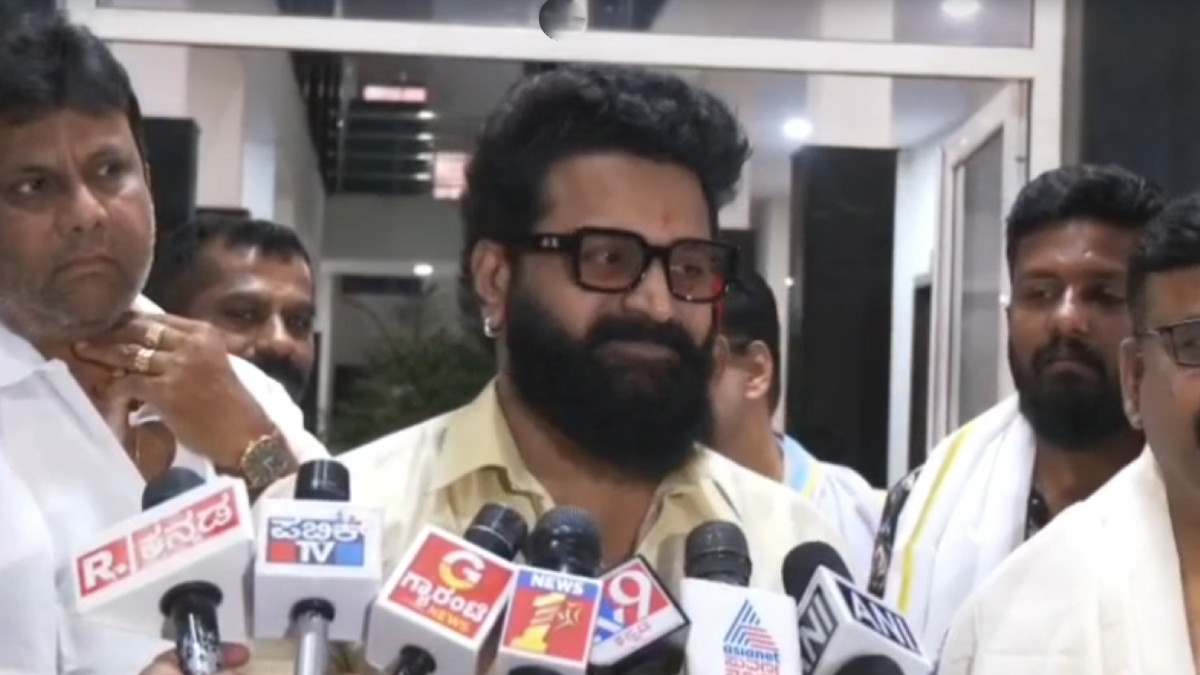
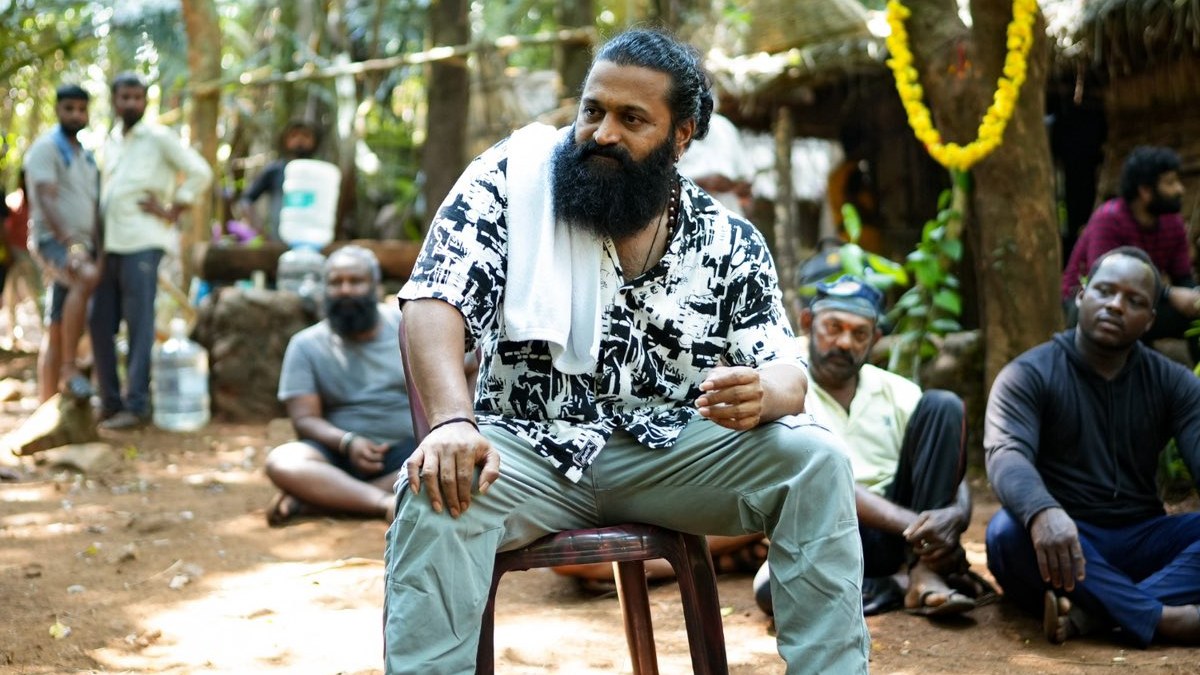
The monumental success of the film Kantara 1 led actor Rishab Shetty and Hombale Films to sponsor a significant Harake Nemotsava (a promised ritual performance) in Mangaluru at the Barebailu Jarandaya Banta and Varaji Panjurli Daivasthana. While the ritual itself was a gesture of gratitude following the film’s worldwide acclaim, it quickly became the epicentre of a major cultural controversy. The core of the dispute revolves around the conduct of the Daiva dancer during the preliminary ritual known as Enne Boolya (offering of oil and betel leaves), with sections of the Tulu Nadu community alleging a serious deviation from the sacred traditions of Daivaradhane.
Allegations of Breaking Sacred Protocol
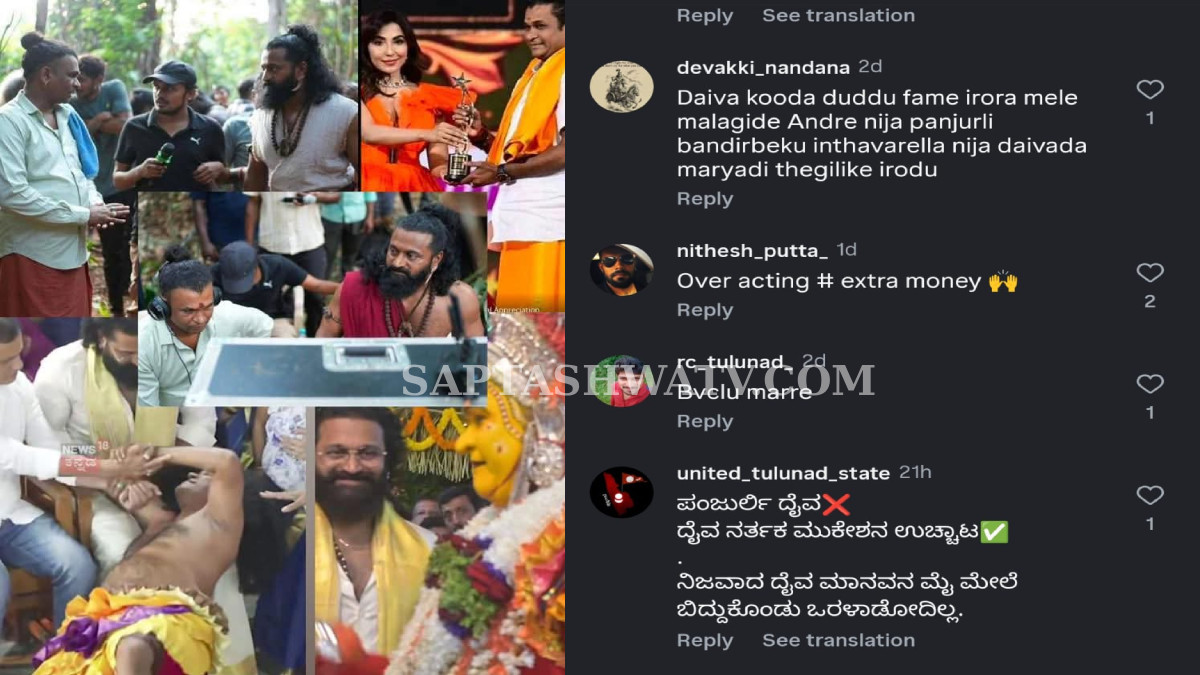
During the Enne Boolya ceremony that precedes the main Nemotsava, the Daiva dancer, who was enacting the Panjurli Daiva, was observed in an emotionally charged state. Sources confirm that the dancer leaned into or lay in the lap of actor Rishab Shetty. This specific act has drawn intense criticism from traditional Daivaradhakas who argue that it is a serious violation of the inviolable customs of Tulu Nadu Daivaradhane.
Critics assert that during the performance, the Daiva dancer must adhere strictly to established protocol and should not engage in such intimate or non-traditional behaviour with devotees or patrons, regardless of the personal context. The controversy has rapidly gained traction, turning social media into a battlefield for the debate, featuring both staunch traditionalists and supporters defending the dancer's actions.
The Role of the Daiva Dancer: Mukhesh
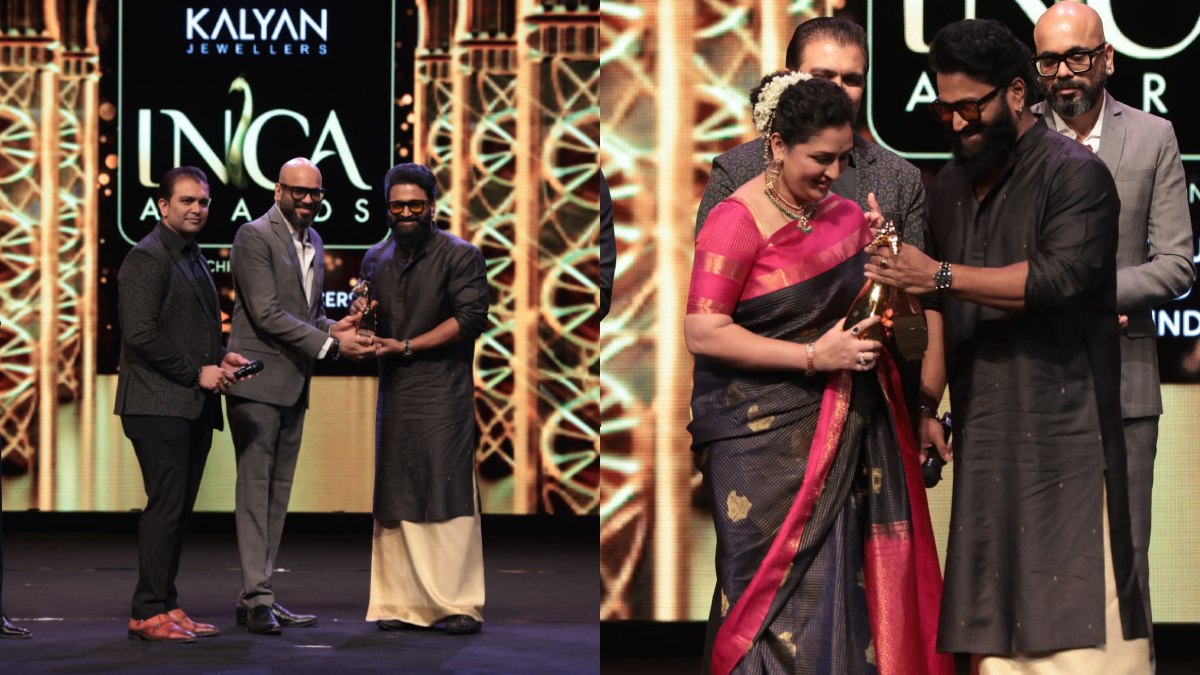
Adding complexity to the controversy is the identity of the Daiva dancer involved: Mukhesh. Mukhesh is well-known to the public as the key consultant and guide on Daivaradhane customs for both Kantara 1 and the upcoming Kantara 2. He provided full guidance on the rituals and protocols during the film’s shooting and was also the one who accepted the SIIMA Award on behalf of the Kantara team for the film’s success.
Mukhesh performed the role of the Panjurli Daiva dancer during the recent Barebailu Nemotsava and was the one who allegedly acted outside the traditional bounds by embracing Rishab Shetty. Due to his dual role as a traditional practitioner and a cinematic consultant, the dissenters are now specifically directing their disapproval towards him, accusing him of forgetting the sanctity and rules (Kattale) of the ritual while performing the Harake Kola.
Ongoing Social Media Debate and Community Split
The actions of Daiva dancer Mukhesh have triggered a significant split within the community, now playing out prominently on social media platforms. While many traditionalists are expressing deep dissatisfaction over the perceived breach of Daivaradhane strictures, others are posting messages in support of Mukhesh. These supporters often contextualise the moment as a spontaneous, emotional expression of the Daiva's blessing or gratitude towards the patron (Rishab Shetty), rather than a calculated violation.
However, for those who see Daivaradhane as an unwavering sacred practice, the act signifies a dangerous erosion of tradition, particularly given the unprecedented public scrutiny brought upon the ritual by the commercial success of the Kantara film franchise. The debate highlights the tension between preserving age-old sacred customs and their increasing visibility in the modern, commercial landscape.