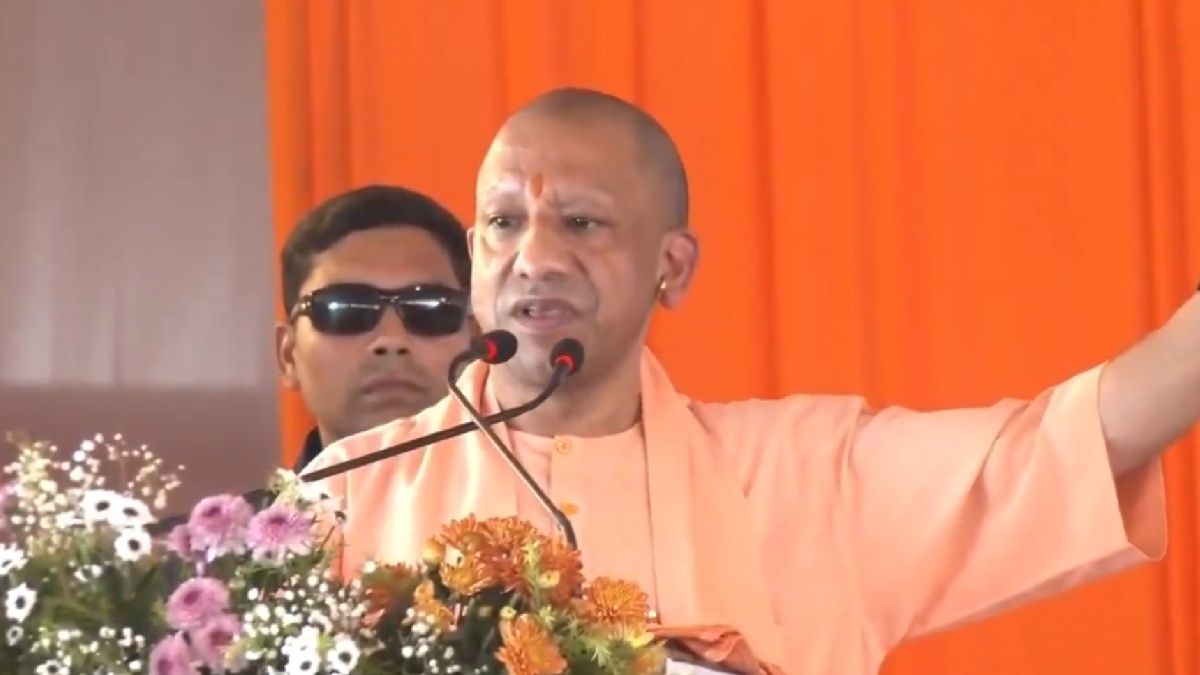
Chief Minister C.T. Ravi and former Karnataka Minister S. Jayalalitha were among those who have drawn criticism for comments on demonstrators in the recent protest against the leak of the NEET examination paper. His comments made during a demonstration in Chikkamagaluru, have started a political debate and will be criticised by opposition parties and civil society organisations.
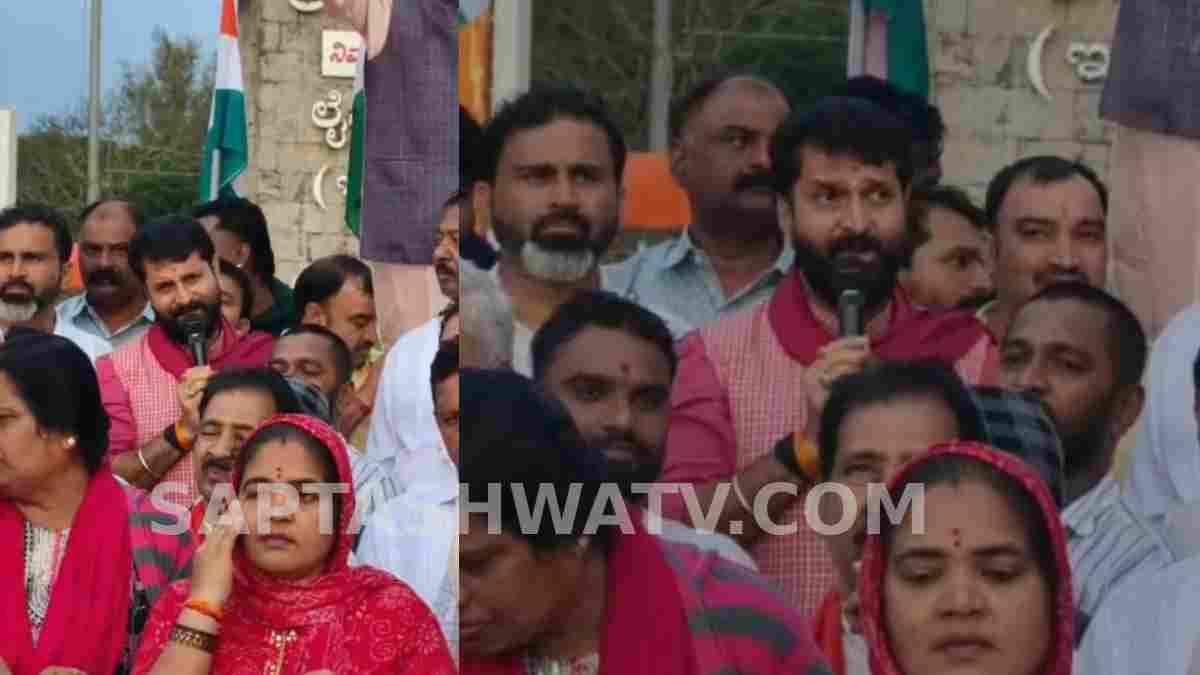
The controversy started when Youth for Nation held a protest near Azad Park in Chikkamagaluru city. The protest was held to denounce the demonstrations near Parliament in which the NEET paper leak was alleged and to support the action taken against those who were responsible for the examination problems.
Ravi also questioned the presence of some protesters whom he referred to as “mullas” and said they had no connection with the NEET examination dispute. He also alleged that some of the protesters in the protests were using the controversy to raise more political slogans (e.g., calling for the resignation of Union Education Minister Dharmendra Pradhan and slogans against Prime Minister Narendra Modi).
BJP leader also questioned why the NEET issue is now connected with earlier protests on the Citizenship Amendment Act (CAA) and National Register of Citizens (NRC) and said that those who have already protested the NEET and the NRC and the Citizenship Amendment Act (CAA) were also being used by groups that have been protesting the NEET and are now trying to use the NEET debate to manipulate the NEET conflict to advance a wider political agenda.
Ravi also claimed that members of what he called the "Tukde Tukde Gang" had joined the protests, and he claimed they were trying to use it to attack the Union government. The term Tukde Tukde Gang is a term used by BJP leaders to describe people or groups who they say are spreading anti-national narratives.
His speech has been a topic of discussion because of a reference to a particular community. Critics say it can communalise a matter that is primarily concerning transparent exams and the future of students. They say, in addition, that the investigation should be purely based on the investigation into what is alleged to be paper leaks, and that competitive examinations must be done transparently.
Supporters of Ravi, however, say his comments were to bring into light what they believe is the politicisation of the NEET issue by certain organisations and political groups rather than targeting any community.
The alleged NEET paper leak has become the biggest national problem; students, parents, and politicians have been calling for accountability, stronger systems to prevent malpractice in examinations, and action against those responsible. There have also been protests in various parts of the country, and opposition parties say the Centre has not protected the integrity of national entrance exams.
As Ravi’s comments are drawing reactions still, opposition leaders should be critical of the language used in his speech and ask for clarification or action. But BJP leaders are likely to defend his comments as political criticism of protest organisers as opposed to any religious community.
That has once again revealed how politically sensitive issues such as examination reforms and paper leak controversies can quickly become intertwined with larger ideological and political disputes. But whether the controversy will lead to further political or legal developments is yet to be seen.