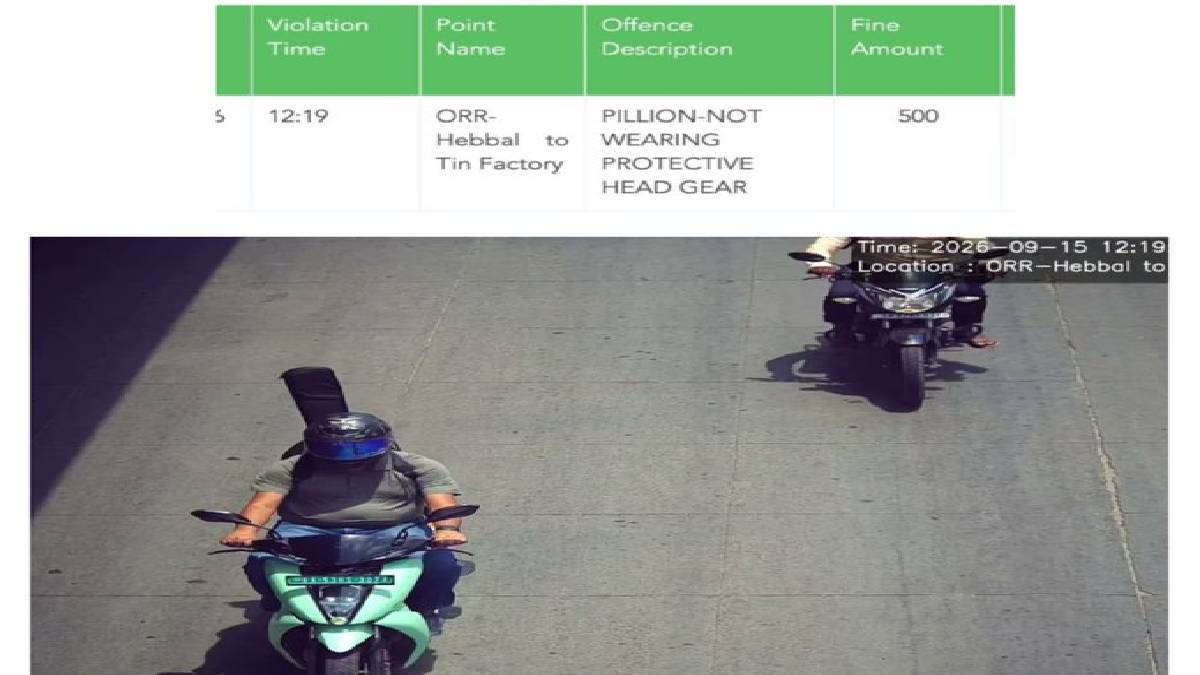
A new online dating scam warning on social media is worrying Bengaluru users who say men on dating apps like Tinder and Bumble are being targeted by people who could be women.
The scam is about forming a trusting relationship with the potential victim/partner, meeting them and asking the victim to pay a cab fare in advance, the scammer’s viral warning says. The scammer blocks the victim and disappears from the app.
The warning was reinforced by a post on X on August 12 claiming that several men in Bengaluru had experienced a similar pattern. But the social media post does not appear to include any information about the victims, police complaints or any official investigation.
So the claims are less of a social media warning and more of an official finding by law enforcement. But the pattern does reveal some warning signs for online fraud the kind of scam that takes advantage of trust built on dating sites.
According to one version, the fraud begins in a fairly ordinary way. A user meets someone on a dating site and they start to talk. The conversation may continue for some time and you get the impression that the person on the other side is genuinely interested in meeting. Once both parties agree to meet, they talk about transportation.
The alleged scammer may claim that she needs to travel by cab and ask the match to pay the fare before the journey. In some reported variations of this type of fraud, the person may request that the money be sent directly to a supposed cab driver rather than to her own account. That request can make the transaction seem more credible because it is presented as a practical travel arrangement rather than a direct request for money.
The warning warns that false booking details may be used to make the request appear genuine. They could be the cab fare, the driver’s information, the vehicle details or other trip-related information.
Screenshots or messages with this information may be presented as proof of a supposed booking. But screenshots and information shared by an online contact should not be taken as evidence that a booking actually exists.
If the payment is transferred, the person may stop responding and block the victim. The dating profile or messaging account could then be inaccessible and the victim may not be able to contact the person or recover the money from the person who asked for it.
One payment request may be small; however, repeated scams can be very big for criminals. More importantly, such schemes are about how fraudsters use social and emotional trust to make unusual financial requests look reasonable. A person who thinks they have a real connection may be less likely to question a request that they would otherwise think is suspicious.
The users of dating apps should therefore take unexpected requests for money as a major warning sign, especially when the relationship is new and the two people have never met in person. Requests for cab fares, emergency expenses, hotel payments, travel deposits, gift cards, mobile recharges or any kind of financial assistance should be carefully assessed before any money is transferred.
Independent verification is especially important for a taxi/cab booking request. If a match says a vehicle has been booked, users don't need to rely solely on screenshots or links provided through chat, they can open the official transport application website and check if the booking is real.
Any payment arrangement should be verified through a trusted source rather than through information provided by a person who has only recently been met online.
Payment links or QR codes from unknown sources should be kept in mind when sending them in line. A request to pay through UPI, in a bank transfer or any other digital payment service is never a safe option simply because it is small. Fraudsters can use urgency, emotional pressure or elaborate explanations to persuade victims to make transactions quickly.
Another important precaution is protecting sensitive personal and financial information. Dating app users should never share passwords, banking credentials, card numbers, PINs or OTPs with a new online contact. Even seemingly harmless information can be used in combination with other details to make more convincing fraudulent efforts.
The matter also underscores the need to be cautious before taking a conversation from a dating app to another. Scammers may try to move conversations into platforms where reporting and account-monitoring mechanisms are different. Preserving communication on dating sites for longer and using the reporting feature when suspicious behaviour occurs are also helpful.
Planning a first meeting also requires sensible precautions. Meeting in a public place, informing a trusted friend or family member about the plan and avoiding isolated locations will help reduce any risks. A genuine person should generally know reasonable safety precautions, and pressure to meet quickly or to transfer money before meeting should be a warning sign.
The viral Bengaluru warning also makes it clear that social media claims need to be carefully assessed. A post can point to a pattern of scam activity without being able to prove how many people were affected or whether there is a criminal investigation going on. Users should know how to distinguish between an online warning and a case officially confirmed.
Notwithstanding that there is still no official investigation in the circulating post, that is not to say users should ignore the warning signs mentioned above. Online fraud is often similar to real life, through impersonation, emotional manipulation and advance payment requests. Early identification of these patterns can save people from unnecessary financial loss.
Anyone who believes they have been targeted should preserve relevant evidence, such as screenshots of conversations, dating profiles, payment details, transaction records and messages. These records may be useful in reporting the incident to the relevant platform, bank or law-enforcement authorities. If the money has already been transferred, contacting the bank or payment service as quickly as possible may also be important.
The lesson for dating-app users in general is that a planned meeting should never automatically create an obligation to send money. Trust should be built gradually, and financial requests from people who are not known on the Internet should be handled with caution.
🚨 NEW DATING SCAM ALERT IN BENGALURU
— Ghar Ke Kalesh (@gharkekalesh) August 12, 2026
Several men are reportedly being targeted through Tinder and Bumble.
The pattern is simple: after matching, the woman agrees to meet but first asks the guy to pay for her cab. Later, she claims she doesn’t trust him and asks him to pay the… pic.twitter.com/TmBlm5PXTO
As Bengaluru’s online dating community grows, awareness of digital fraud is even more important. Dating apps can provide places for people to meet and talk to one another, but not every online profile is a genuine person with genuine intentions.
The cab-fare scam warning should be an alarm to verify information independently, avoid advance payments to new online contacts and safeguard sensitive financial information. Until specific claims in the viral post are independently confirmed by authorities, the alleged Bengaluru incidents should be treated cautiously. But this warning can also alert users to suspicious payment requests and reduce their exposure to online dating fraud.