The heavy rains continue to bore down heavily on Dehradun, the capital city of Uttarakhand, creating an increasingly hazardous situation for residents and visitors alike. This relentless downpour is not merely an isolated incident; it serves as a stark reminder of the vulnerability of areas situated near rivers and natural drainage channels during the tumultuous monsoon season.
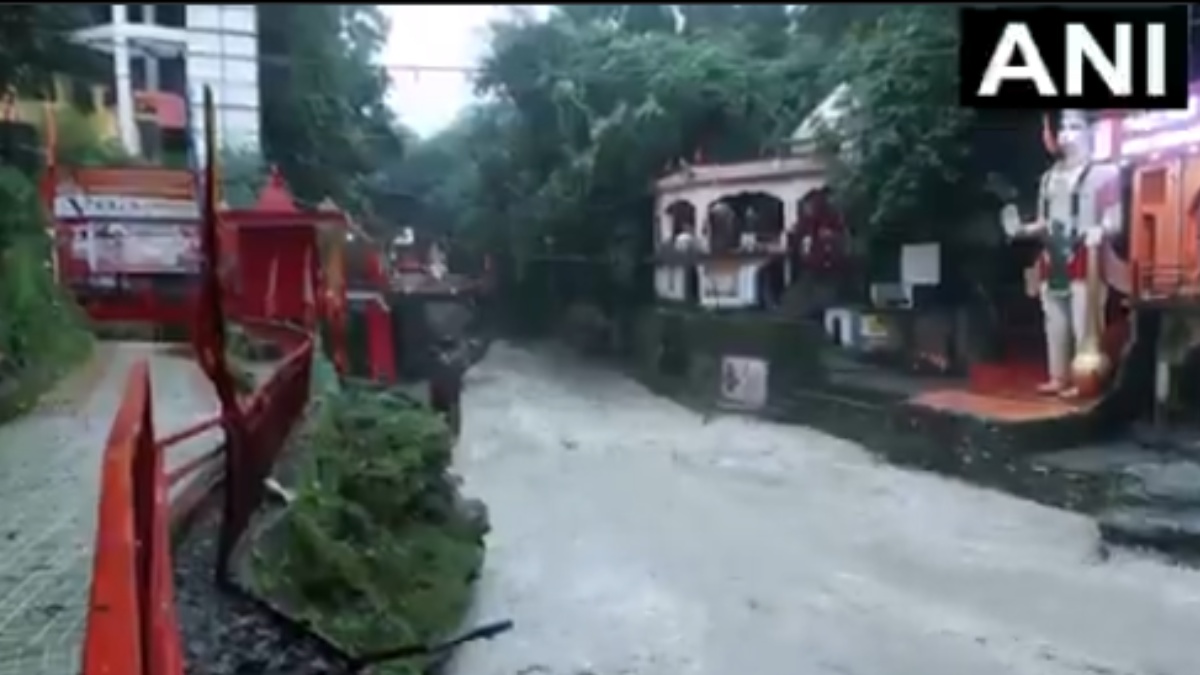
One of the most notable landmarks in Dehradun, the Tapkeshwar Mahadev Temple, is particularly at risk due to its close proximity to the Tamsa River. This revered Hindu temple, known for its spiritual significance and stunning architecture, is a popular destination for devotees and tourists alike.
However, the rapidly rising waters present a serious threat to both the temple's sanctity and the safety of its visitors. As heavy rainfall continues, the temple has already experienced flooding, underscoring the urgent need for preparedness and proactive measures.
As the days go on there is little respite on the horizon, with temperatures ranging from 29°C to 30°C accompanied by continuing rainfall and even cooler nights. The weather forecast is for this to continue and the region will be severely affected by the ongoing rain.
The recent heavy rainfall is not just one weather event but part of the larger pattern with regard to the ongoing climatic problems in Dehradun and other areas in Uttarakhand. Torrential downpours have already disrupted daily life, preventing traffic across the state and putting pressure on the government to take serious steps to keep the public safe. The weather department has issued advisories and is saying that the rain is expected to persist in Uttarakhand until at least August 21. This creates serious risks such as waterlogging, landslides and damaged road connections in areas at high risk.
The Tamsa River is the most crucial one that flows dangerously close to the Tapkeshwar temple. As the river level increases, the lower parts of the temple are inundated and the ghats (temple’s worship area) are flooded. Given the situation of this river situation, local officials must closely monitor the river and take precautions to stop the river from entering the temple area.
The Tapkeshwar Mahadev Temple itself is a spectacular architecture with a cave which is a shrine for Lord Shiva. People from all religions and from all walks of life come to this ancient temple and worship it for its serene beauty and spiritual significance. But the temple is near the river and so it is always dangerous. It can happen very quickly and rapidly during high rainfall in a torrent when water levels can swell high and the Tamsa River gets dangerously high.
The ongoing rainfall is raising alarms about the possibility of more weather-related problems in Dehradun. Heavy rains on August 18 saw widespread waterlogging and roadblocks leading to difficulties for people in the city. Emergency response teams have been actively conducting rescue operations to assist individuals stranded in different areas of Dehradun due to the rapidly rising water levels caused by the relentless downpour.
In a sense, local authorities are on high alert and they realize that prolonged periods of rainfall can exacerbate risks associated with riverbanks and streams and low-lying areas. Even if the rainfall reduces in a town, the situation could quickly change as the water from upstream areas flows downstream and levels quickly increase. So early warnings by the authorities are key to the safety of all humans.
In such extreme weather events, for those who are devotees and tourists, one must be very careful and not enter swollen rivers or any flooded water bodies. Religious places near water bodies can be dangerous even if it appears, for the moment, to be relatively quiet. Local officials, police and disaster management personnel should be followed as well, and visitors should keep their safety in mind.
Landslides and damaged road links are also major problems in Uttarakhand in the wake of torrential rains, and road interconnectivity has also been compromised. The state’s mountainous terrain is prone to landslides after prolonged or intense rains and waterlogged roads pose a tough time for travel and transportation. In recent weather alerts, heavy to very heavy rainfall in many parts of the state has been forecast, along with warnings regarding flash floods and landslides that could further disrupt daily life and hinder emergency response efforts.
The increasing water levels in the Tamsa River near Tapkeshwar Mahadev Temple are of critical importance in terms of the weather patterns and public safety. The temple complex has a seasonal variation in water levels but excessive or long-term rainfall makes for hazardous conditions in and around the river and ghats that attract both worshippers and tourists.
#WATCH | Dehradun, Uttarakhand: Continuous heavy rain has been lashing Dehradun since last night, due to the incessant downpour, the water level of the Tamsa River, which flows through the historic and legendary Tapkeshwar Mahadev Temple, has risen significantly pic.twitter.com/KEJayddCQE
— ANI UP/Uttarakhand (@ANINewsUP) August 18, 2026
The monsoon season is now in full swing, so residents and visitors in Dehradun and Uttarakhand need to be aware and remain updated on the weather and safety precautions. Heavy rainfall, swollen rivers, widespread waterlogging and landslides can quickly disrupt normal movement and pose serious risks to public safety. The Tapkeshwar Mahadev Temple’s precarious situation is an indication of the importance of being alert and wise to nature’s unpredictable nature whenever river levels escalate to dramatic levels during monsoon season.