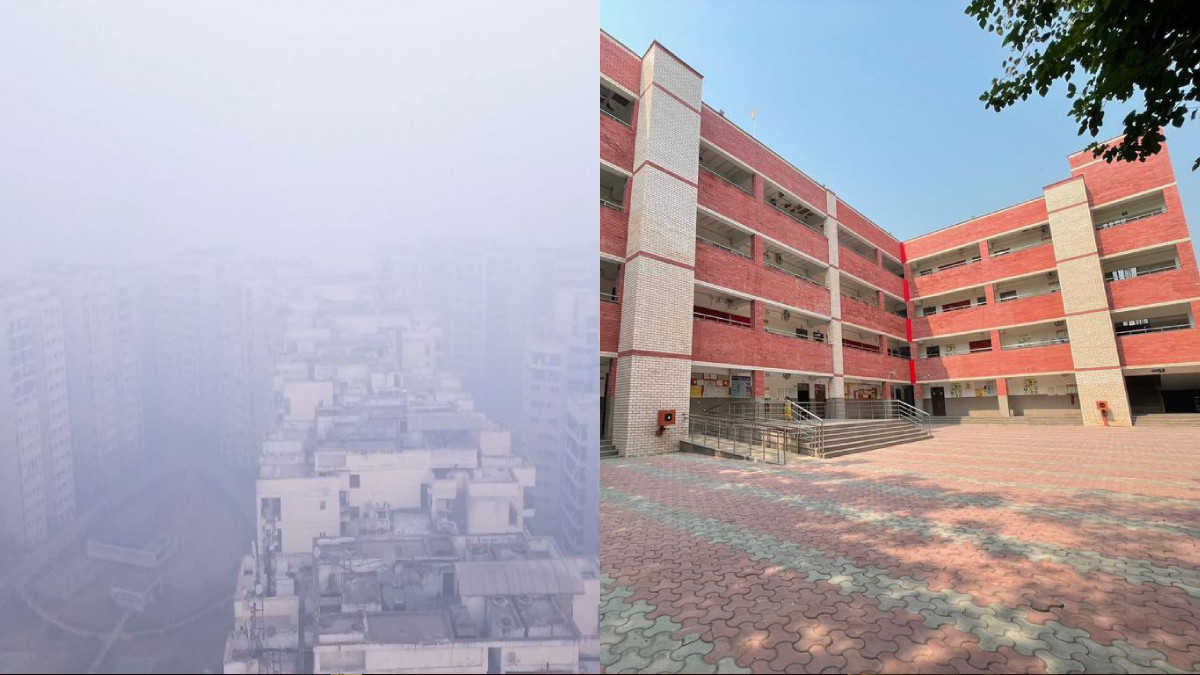
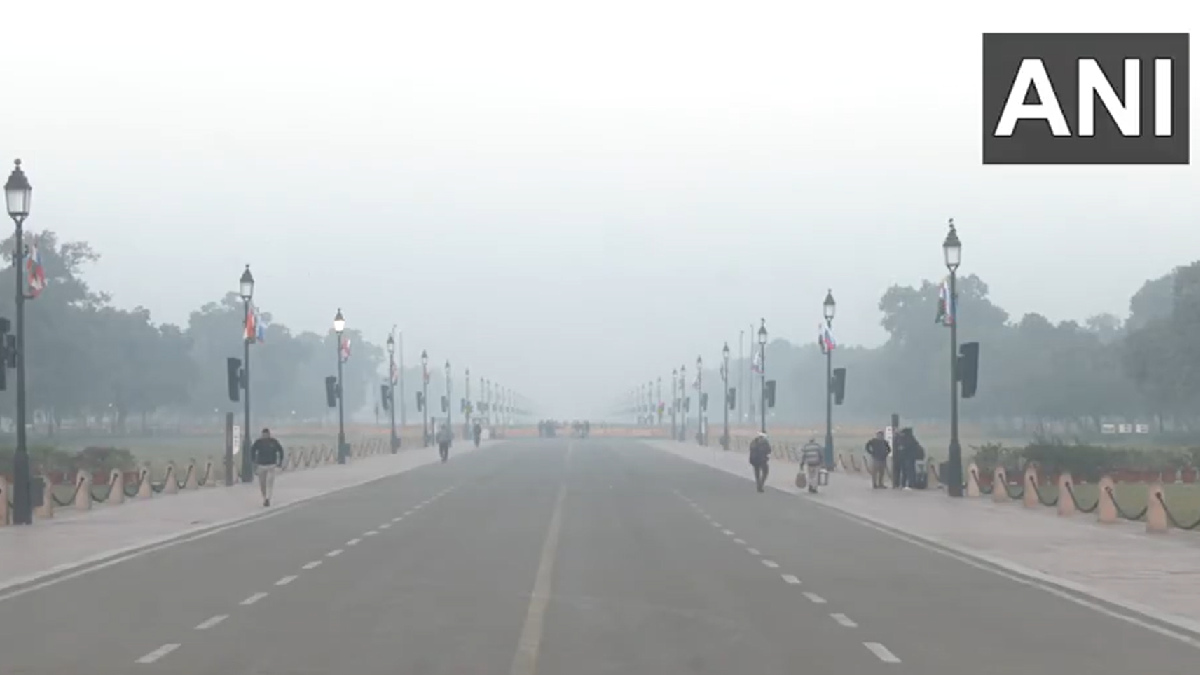
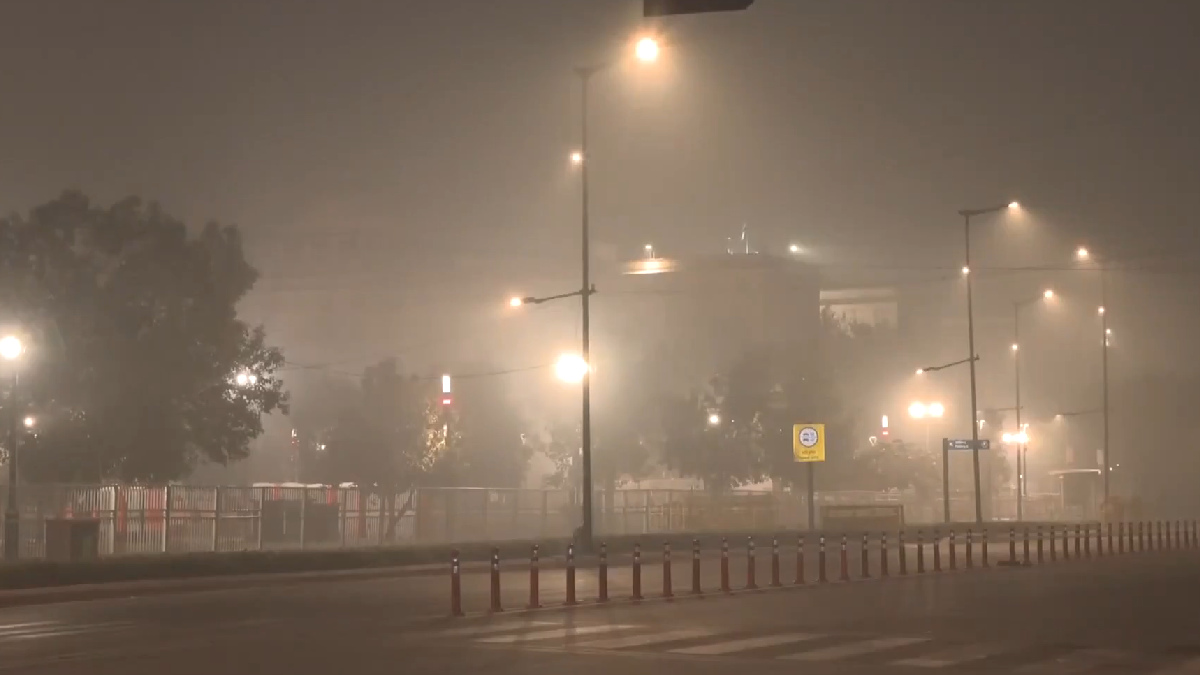
It’s one of the harshest cold waves in the national capital this season. At Safdarjung, the top observatory in Delhi, the temperature at least dropped to 3.0 degrees Celsius today, close to five notches below the seasonal average. In some locations such as Lodhi Road and Ayanagar the mercury was recorded between 2.9°C and 3.2°C leaving the week as the coldest in Delhi within three years.
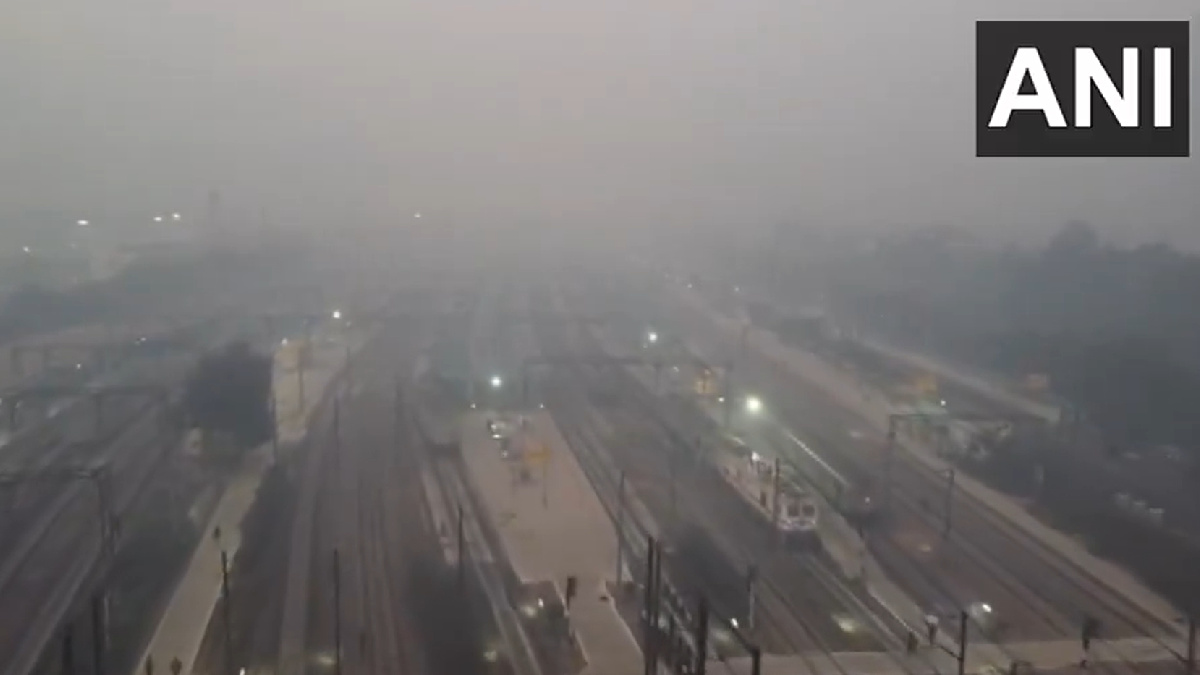
Heavy Fog & Transport Disruptions
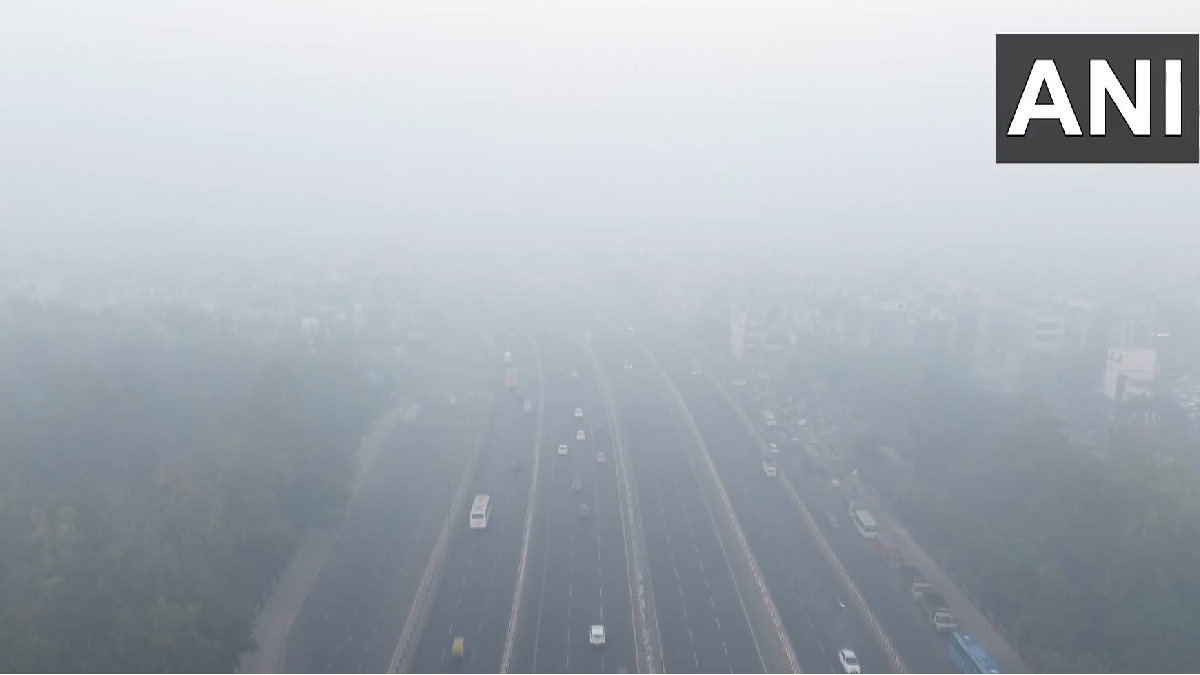
A dense clump of haze swept over the downtown early in the morning until visibility fell to less than 50 metres in some regions like Palam and Safdarjung.
- Rails: More than 25 Delhi-bound trains were running behind schedule, reports say.
- Aviation: There were flight delays at IGI Airport, with airlines giving out warnings to passengers to check their flight status before heading for the airport.
- Road Safety: People travelling to work say traffic along major arteries, such as the DND Flyway and NH-44, is turning crawly due to the low visibility.
Air Quality Index (AQI): Where Does it Stand?
The cold has numbed this city, but air quality there still poses a serious danger to your health. As of 7:00 AM today, Delhi was ranked 487 overall AQI, which falls under the 'Hazardous' category.
| Location | AQI Level | Category |
| Anand Vihar | 490 | Hazardous |
| Wazirpur | 472 | Severe |
| R.K. Puram | 445 | Severe |
| IGI Airport (T3) | 412 | Severe |
Environmental experts attribute this “toxic cocktail” to a low ventilation index and temperature inversion, which traps pollutants (PM2.5 and PM10) close to the ground.
IMD Forecast and Safety Advisory
The IMD has issued a Red Alert for the region forecasting cold wave to severe cold wave conditions for the next 24 hours. The temperature will gradually rise, it said, only after January 16.
Residents should:
- Minimize vigorous outdoor events in early morning and late evening.
- Use high quality N95 masks to screen toxic pollutants when stepping out.
- Make certain that elderly family members and children are both kept indoors to minimize respiratory distress.