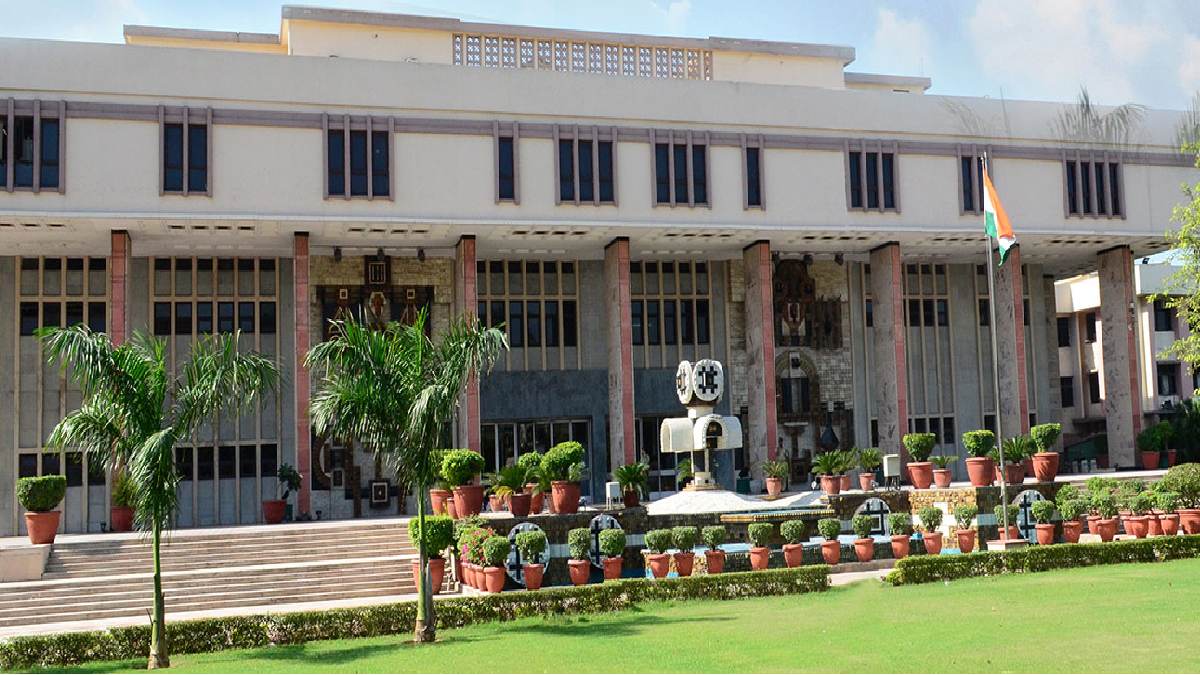
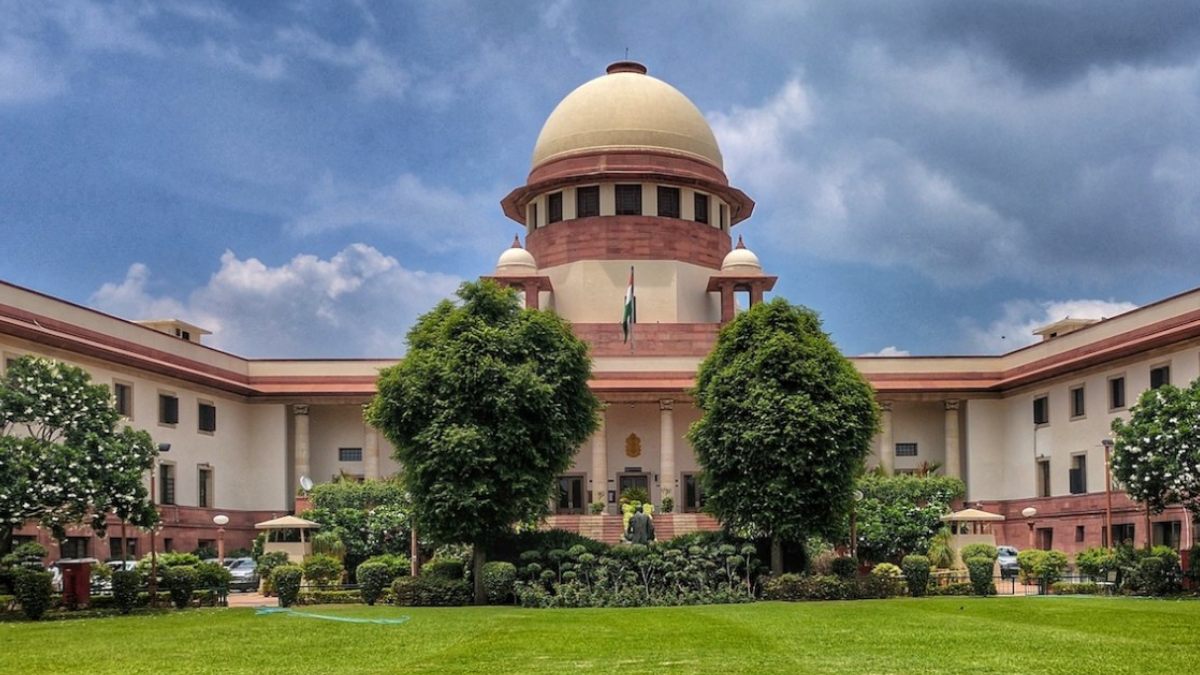
The Delhi High Court on Tuesday declined to urgently hear a petition arguing excessive use of force by the Delhi Police during the Cockroach Janta Party (CJP)-led protest march to Parliament and advised litigants against unnecessarily involving the court in matters that may require examination through other channels.
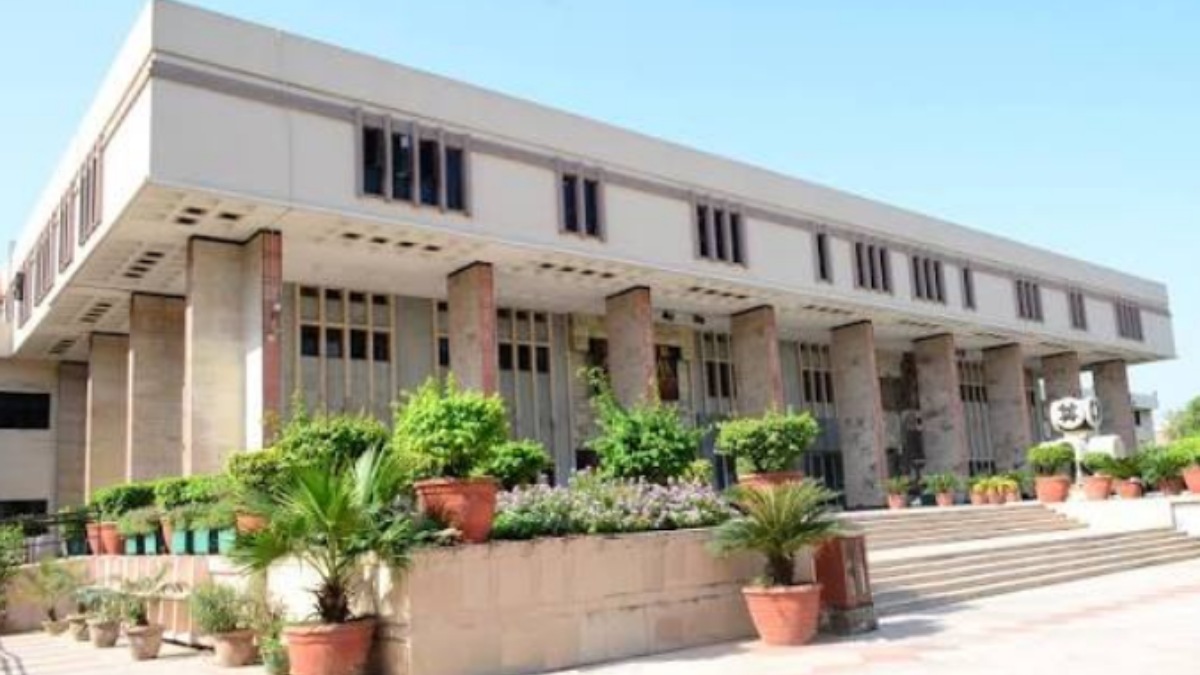
A court of Chief Justice Devendra Kumar Upadhyaya and Justice Tejas Karia, among others, heard the matter and said of the petition, “Don’t drag the court into all this.” It is now being listed for hearing on Wednesday.
The plea alleged that Delhi Police used excessive force against students and protesters who had gathered at Jantar Mantar to demand accountability over alleged examination paper leaks and seek the resignation of Union Education Minister Dharmendra Pradhan.
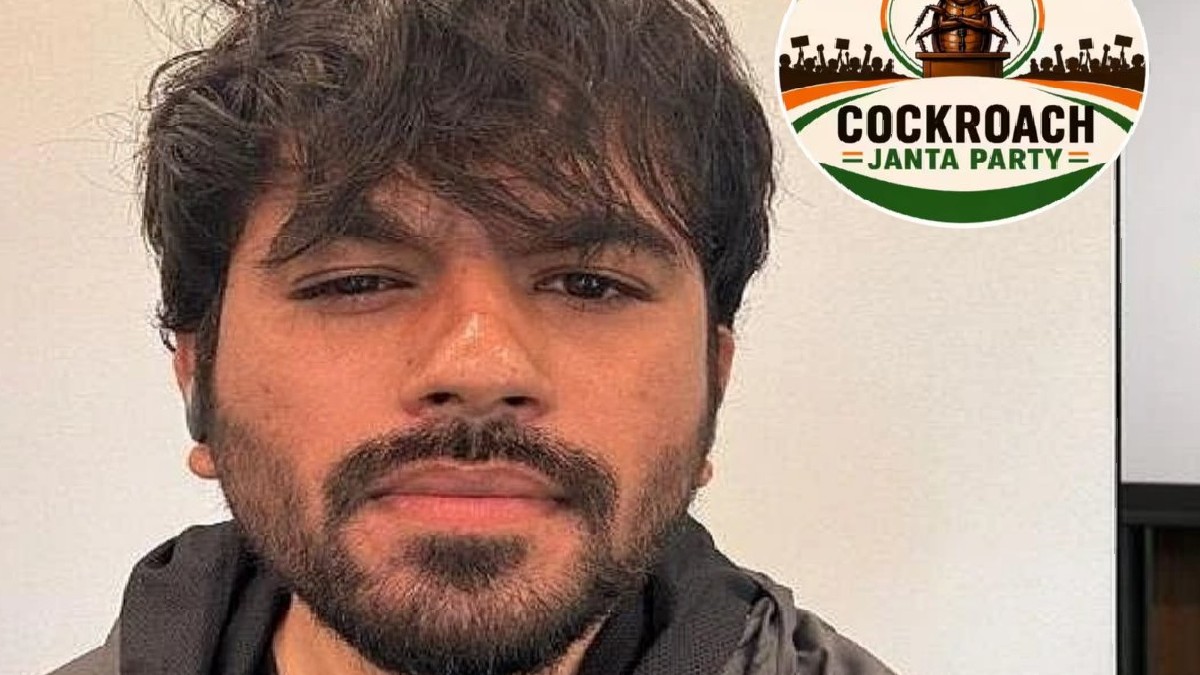
The protest, held by members and supporters of the satirical Cockroach Janta Party from various parts of the country, attracted students and activists from the country. The demonstrators were to make their way to Parliament, but the Delhi Police stopped them and there was a major law-and-order situation in central Delhi.
The protest saw allegations and counter-allegations from both sides. Police claimed that the crowd became violent and accused protesters of stone-pelting, attacking police personnel and damaging public property. 178 people were injured during the clashes, including 118 police personnel and around 60 protesters, Delhi Police said.
CJP, however, said the police used lathicharge and tear gas against peaceful demonstrators. The organisation claimed that several protesters had been injured and that its campaign would continue until Education Minister Dharmendra Pradhan resigns.
Political reactions were also raised by leaders from different parties to the police action. Parliament sat down to discuss the treatment of protesting students and the examination crisis.
Meanwhile, the CJP claimed its delegation meeting with Union Minister JP Nadda represented a significant development for the movement. The government agreed to examine the protesters’ demands before responding, PAM said.
The protest movement gained momentum after activist Sonam Wangchuk was transferred to a hospital from the Jantar Mantar protest site on Saturday. His wife, Dr. Gitanjali Angmo, subsequently went to Delhi High Court seeking to transfer him from Safdarjung Hospital to a private medical facility.
And the High Court has now allowed Wangchuk to be transferred to Medanta for further medical treatment. Wangchuk had said he would continue his fast to prevent the transfer until protesting students and activists were allowed to meet Members of Parliament.
The wider protest is also linked to demands for accountability over alleged irregularities around the NEET-UG examination - for instance, claims of a paper leak on May 3.
The Delhi High Court’s decision to list the plea for a detailed hearing on Wednesday means that the police excesses and the circumstances of the protest would likely be subject to judicial deliberation. A political debate over student protests, examination integrity and the government’s response to demands for accountability remains ongoing.