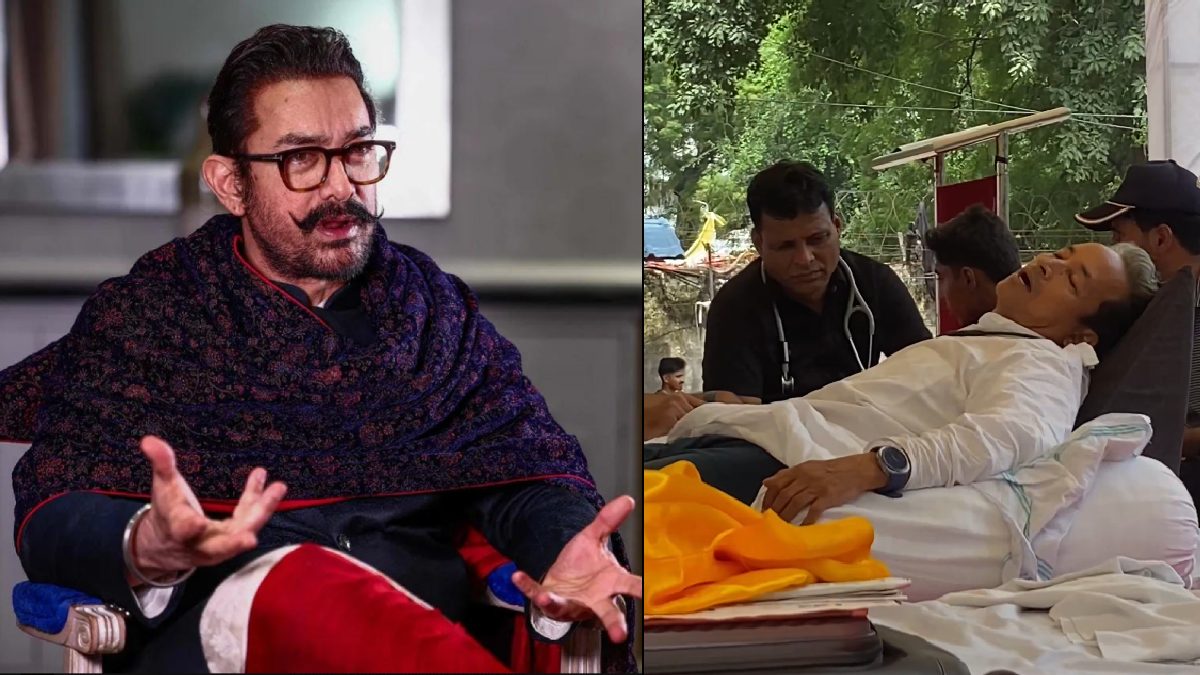
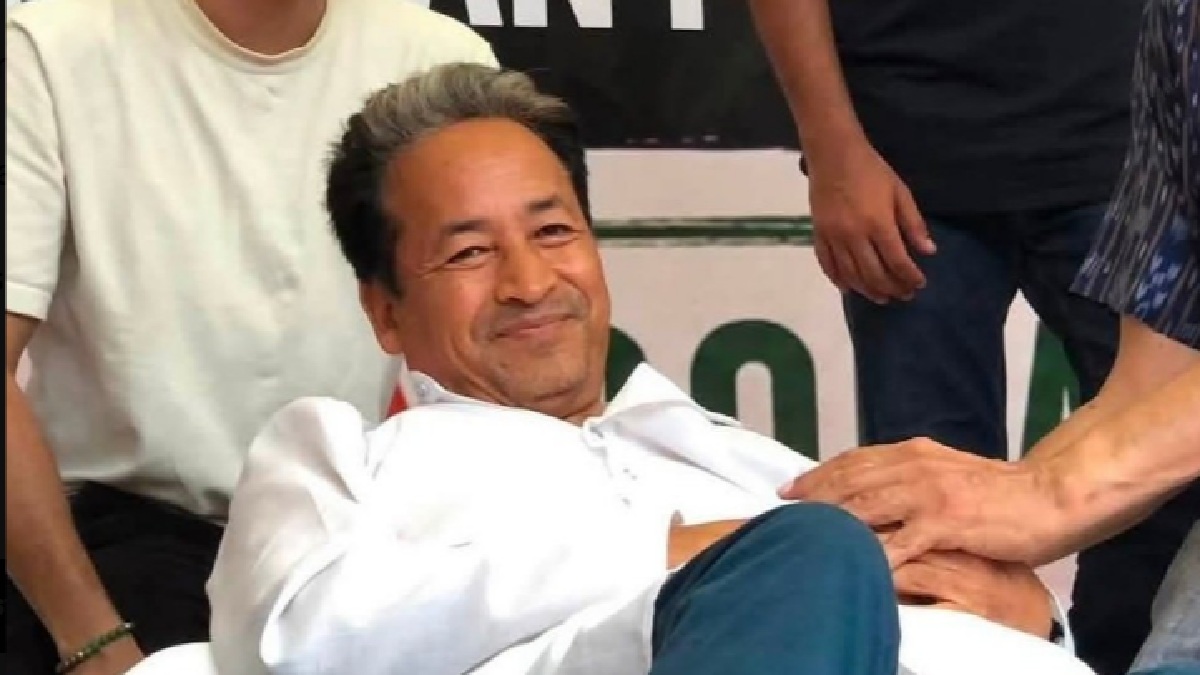
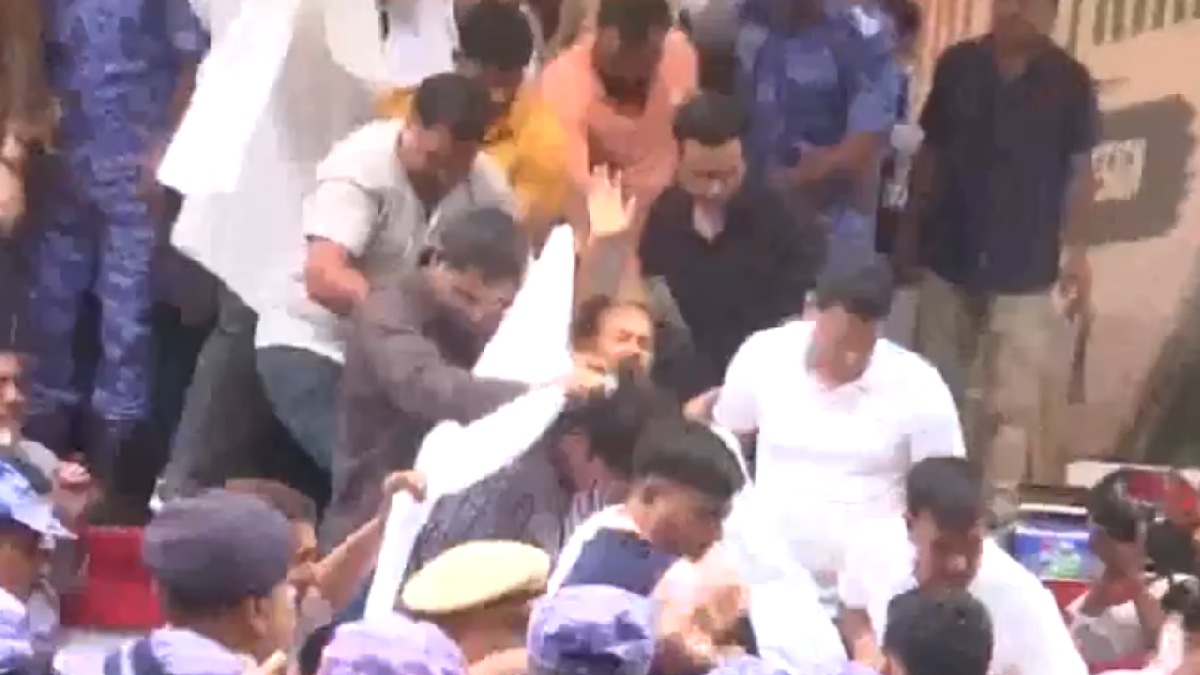
The Delhi High Court on Thursday ordered that environmental activist Sonam Wangchuk's health be monitored continuously. The court said, “Life is precious” and that if necessary medical intervention should be taken at the time of Wangchuk’s hunger strike, “he should be given care and attention.”
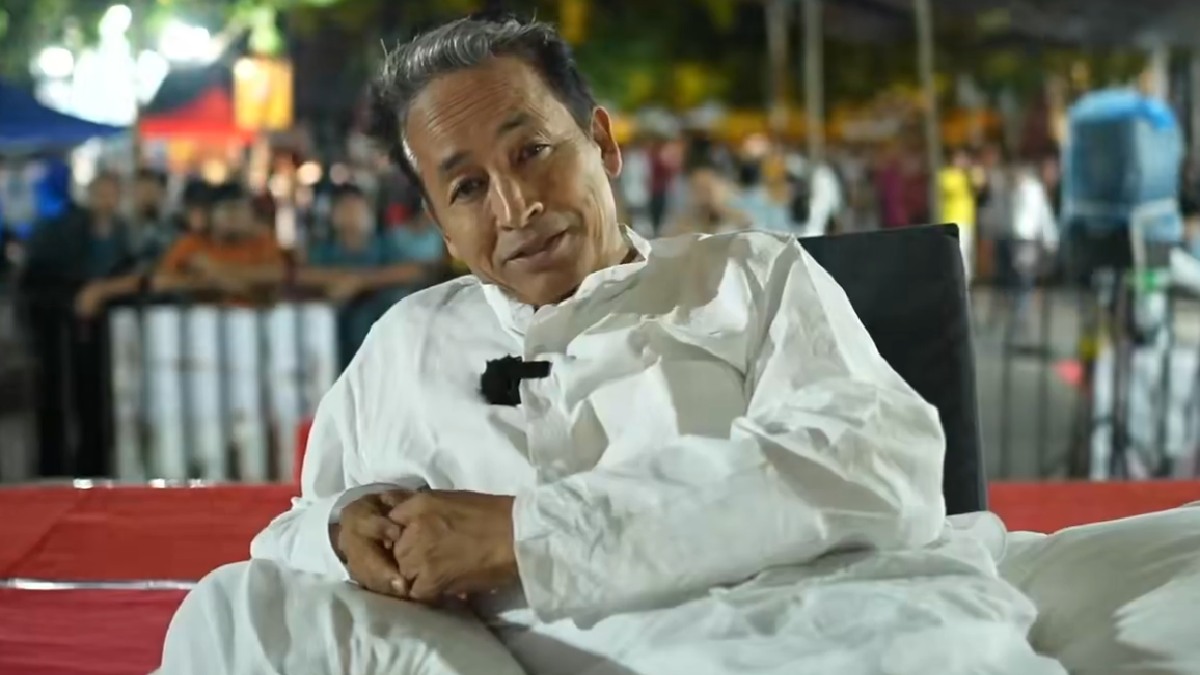
A division bench comprised Chief Justice D.K. Upadhyaya and Justice Tejas Karia listened to the matter and sought assurances from the Centre and Delhi government that Wangchuk's health was being closely monitored throughout his protest.
The court had been told by Solicitor General Tushar Mehta, who appeared on behalf of the Centre and the Delhi government, that Wangchuk has regular health check-ups. Government doctors and, on occasion, private medical professionals were checking Wangchuk on a daily basis to assess his medical condition.
The bench then sought details of the medical reports and emphasized the need for a structured mechanism to continuously monitor Wangchuk's health. Regular medical examinations should continue so doctors can respond quickly if his condition deteriorates, the judges said.
During the hearing, the bench commented: “Life is precious and all medical efforts should be made to protect his life.”
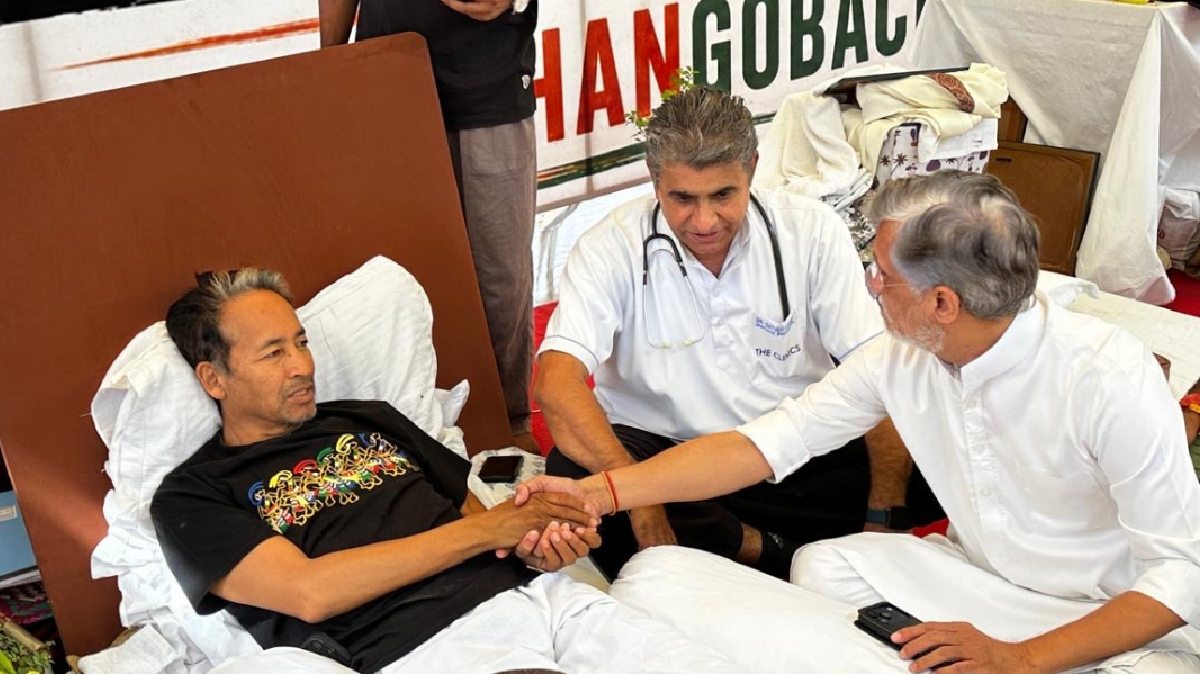
According to the court's observations, Solicitor General Mehta assured the judges that the authorities would continue monitoring Wangchuk's health and provide any medical intervention necessary.
Mehta agreed: “Yes, the life of every person is valuable,” he said, in line with the court’s emphasis on life protection.
After this assurance, the High Court disposed of the petition.
Why Was the Petition Filed?
The plea was filed by activist-lawyer Rakesh Kumar Saini, who wanted urgent directions to save Wangchuk's life as there was concern about his prolonged fast.
The petition asked the court to direct authorities to “force-feed Wangchuk” if necessary and also asked him to be transferred immediately to a government hospital, because of concerns that his health was deteriorating at the protest site.
The matter was scheduled to be heard on Wednesday before being taken up by the bench on Thursday.
Why Is Sonam Wangchuk on Hunger Strike?
On June 28, Sonam Wangchuk joined the indefinite hunger strike as part of a protest by the Cockroach Janta Party (CJP), an online satirical movement seeking education reforms.
The protest mainly demands the resignation of Union Education Minister Dharmendra Pradhan, who has been accused of being responsible for the NEET-UG 2026 paper leak issue.
The controversy started after the NTA cancelled the May 3 NEET-UG examination for suspected leak of question paper. The cancellation resulted in a nationwide re-examination and protests as well as political criticism.
Wangchuk’s participation has increased public attention to the protest and his supporters have described his fast as a peaceful appeal for accountability and transparency in India’s examination system.
Court Focuses on Health, Not the Protest
Although the High Court did not comment on Wangchuk’s demands or the protest, it made it clear that protecting his health was the immediate priority.
The court pointed out that by directing continued monitoring of medical conditions and by taking swift action when needed, the state should safeguard the life of every person, regardless of the nature of the protest.
As Wangchuk's hunger strike continues, authorities are expected to keep close medical supervision while the NEET examination controversy and education reforms are still the subject of debate.