India's bilateral trade with China reached a record high in the first half of 2026, a sign of continuing economic interdependence between Asia’s two largest economies despite growing competition between them and geopolitical tensions. The figures underscore the close commercial ties that continue to influence trade between the two nations.
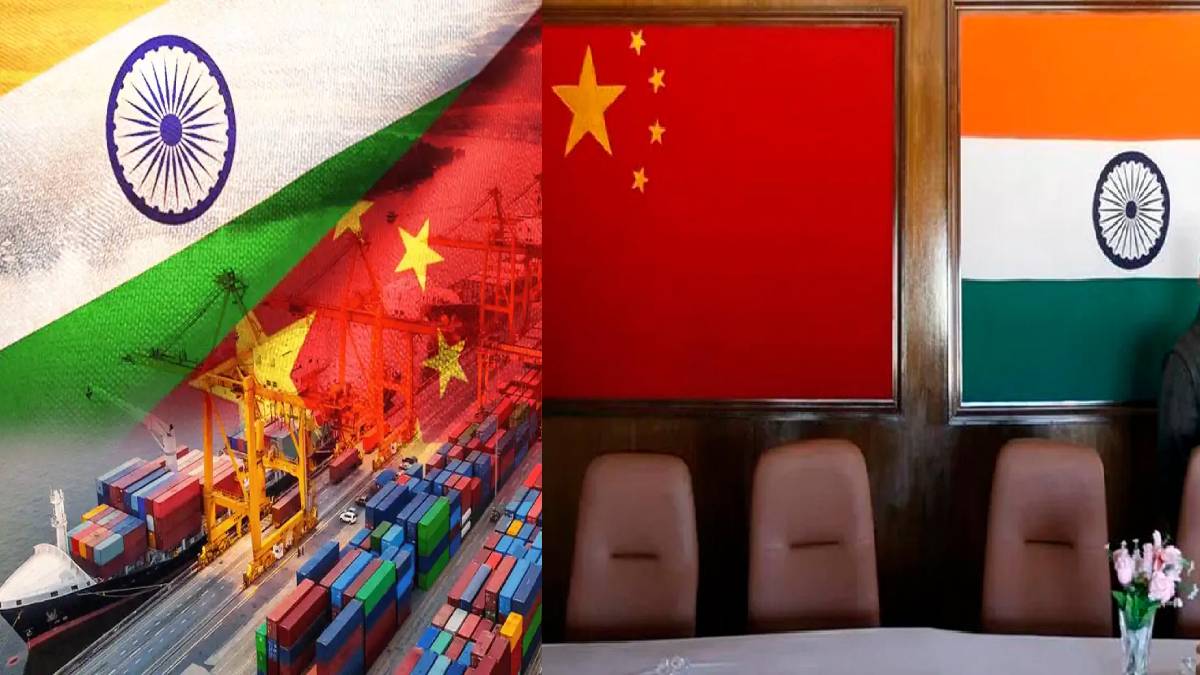
The growth in bilateral trade has been driven by persistent demand for a wide range of products like electronics, machinery, electrical equipment, industrial components, chemicals, pharmaceuticals, and consumer goods. China is still one of India’s largest trading partners and one of its major suppliers of key manufacturing inputs in many industries.
🚨 India's trade with China hit a record high in H1 2026.
— Indian Tech & Infra (@IndianTechGuide) July 16, 2026
Merchandise Imports -
Jan-Jun 2025: $65.2 billion
Jan-Jun 2026: $79.41 billion
Merchandise Exports -
Jan–Jun 2025: $8.97 billion
Jan–Jun 2026: $12.31 billion pic.twitter.com/xeMDS06u47
India's expanding manufacturing industry still relies heavily on imports of electronic components, semiconductors, machinery, industrial equipment, and specialty chemicals from China. These imports are vital for manufacturing in smartphones, automobiles, renewable energy, pharmaceuticals, consumer electronics, textiles, and engineering products.
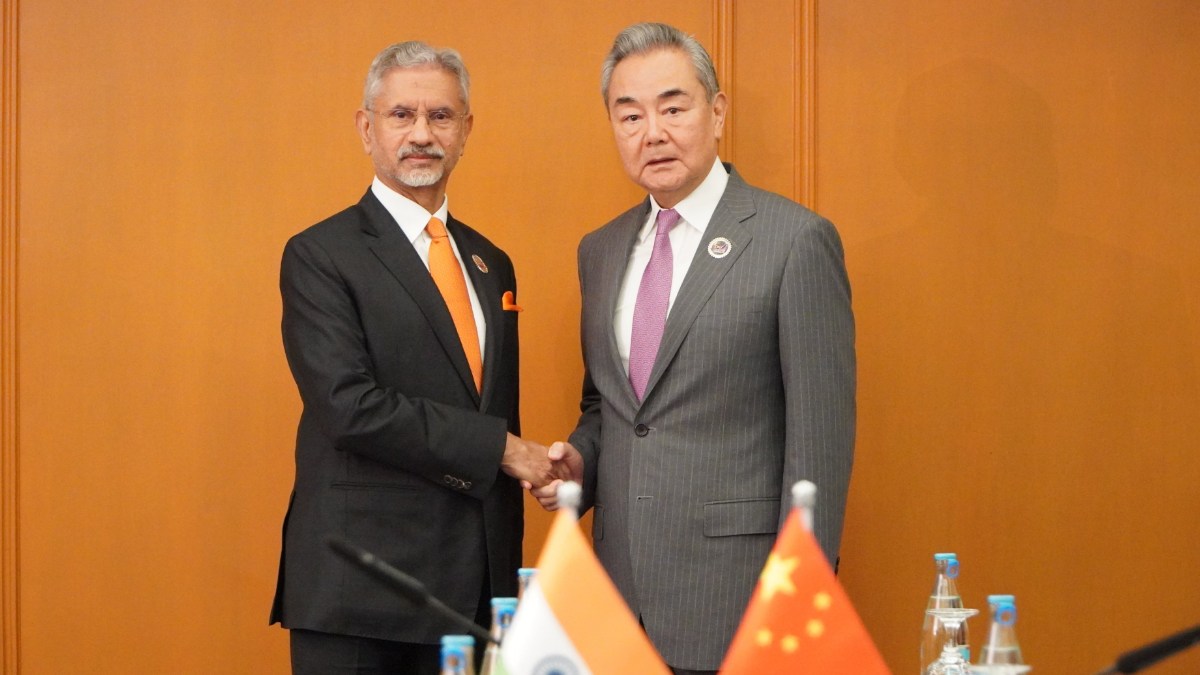
At the same time, India exports iron ore, petroleum products, cotton, marine products, chemicals, engineering goods, agricultural commodities, and pharmaceutical ingredients to the Chinese market. While exports have grown in some sectors, India's imports from China still exceed its exports, resulting in a very large trade deficit.
Economists say that the record trade figures showcase the complexity of global supply chains. Both countries have taken steps to reinforce domestic manufacturing and eliminate strategic dependencies, but the fact remains that businesses purchase products based on cost competitiveness, production capacity, and well-established supplier networks.
China’s manufacturing ecosystem is still one of the largest and most diverse in the world, with a wide range of electronics, industrial machinery, batteries, solar equipment, and intermediate goods. Indian manufacturers depend on these imports to keep production running efficiently and meet growing domestic demand.
The increase in trade is also a reflection of India’s strong growth and increasing consumer demand. As industrial activity increases and infrastructure projects accelerate, demand for imported machines, electrical equipment, and raw materials has only increased.
Government efforts like Make in India, Production-Linked Incentive (PLI) schemes, Atmanirbhar Bharat, and National Logistics Policy will enhance our manufacturing capability and reduce import dependency in strategic sectors. But developing competitive local supply chains for advanced manufacturing involves investment, technology transfer, and skilled workforce development.
Experts believe that while India is making significant progress in electronics manufacturing, semiconductor production, renewable energy equipment, and industrial manufacturing, complete diversification away from Chinese supply chains will take time. Businesses generally prioritize reliability, quality, pricing, and production scale when selecting suppliers.
Data on bilateral trade shows that even when political relations are turbulent, economic engagement remains in place even when relations get rocky. International trade is determined by market demand, industrial demand, global supply chains, and commercial competitiveness, and can be influenced by the competitive nature of the markets, industrial needs, as well as the international trade environment, and it may not be affected by political developments.
Trade analysts point out that India’s long-term strategy is not to eliminate imports but to increase domestic value addition, support exports, diversify sources of supply, and strengthen resilience to supply chain disruptions. This is why expanding manufacturing capacity in electronics, batteries, electric vehicles, semiconductors, and specialty chemicals is a key goal.
Consequently, both countries will continue to be significant trade partners in the coming decades as their economies are large and the complementary nature of several industries makes them quite an asset to the economy. Continued investment in logistics, manufacturing, digital trade, and industrial infrastructure will shape bilateral trade in the future.
The record-high India–China trade in the first half of 2026 underlines the continued importance of economic cooperation between the two countries. Strategic and geopolitical considerations remain important, but the latest trade numbers also show how commerce, manufacturing, and integrated global supply chains drive economic cooperation.