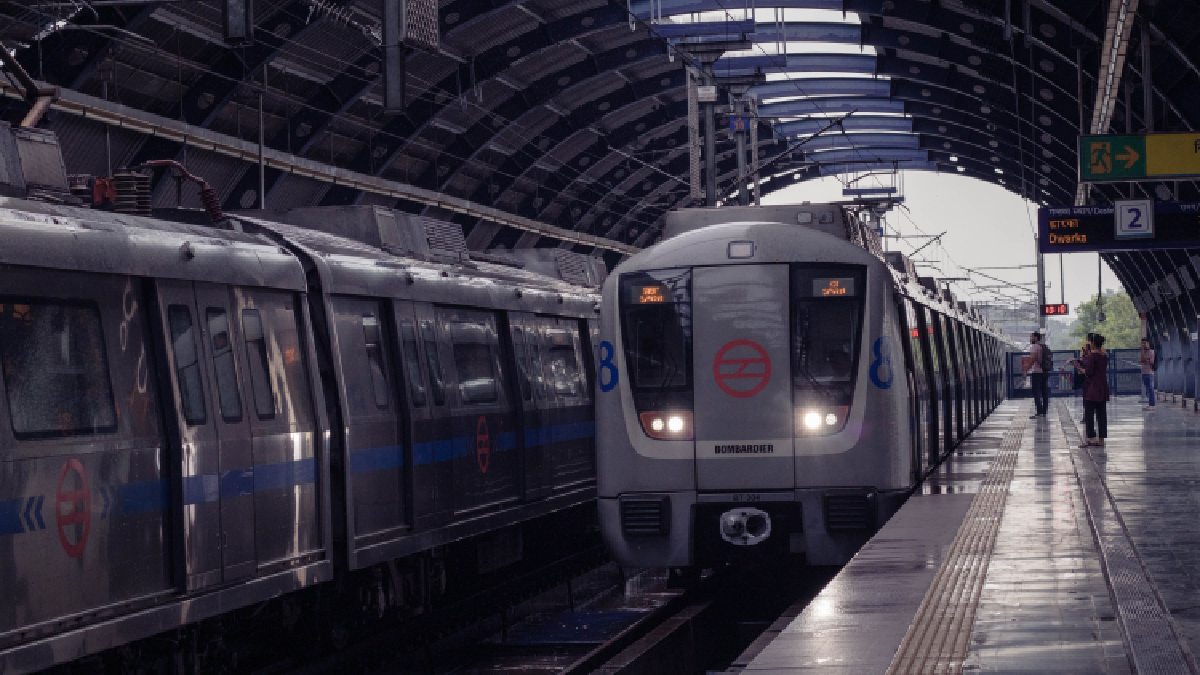
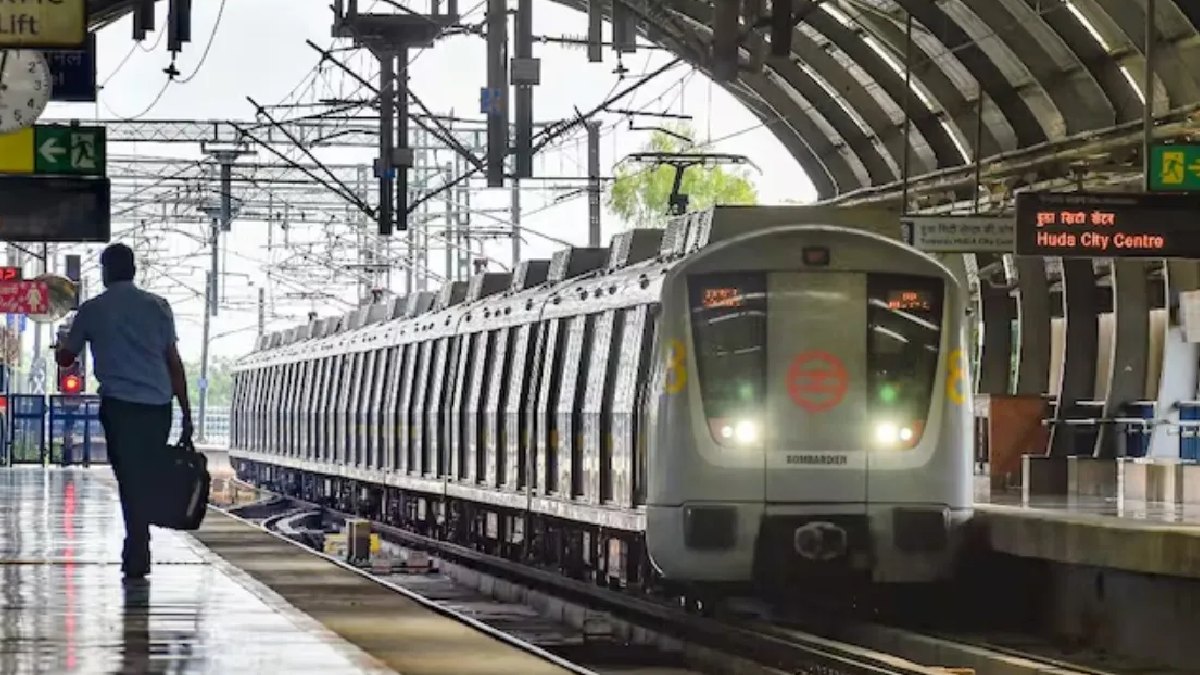
New Delhi: Heavy crowds and travel disruption were caused by the DMRC temporarily closing five metro stations ahead of the CJP's Parliament March, in the national capital in a bid to keep the metro rail line for thousands of commuters stranded because of heavy crowds and travel delays.
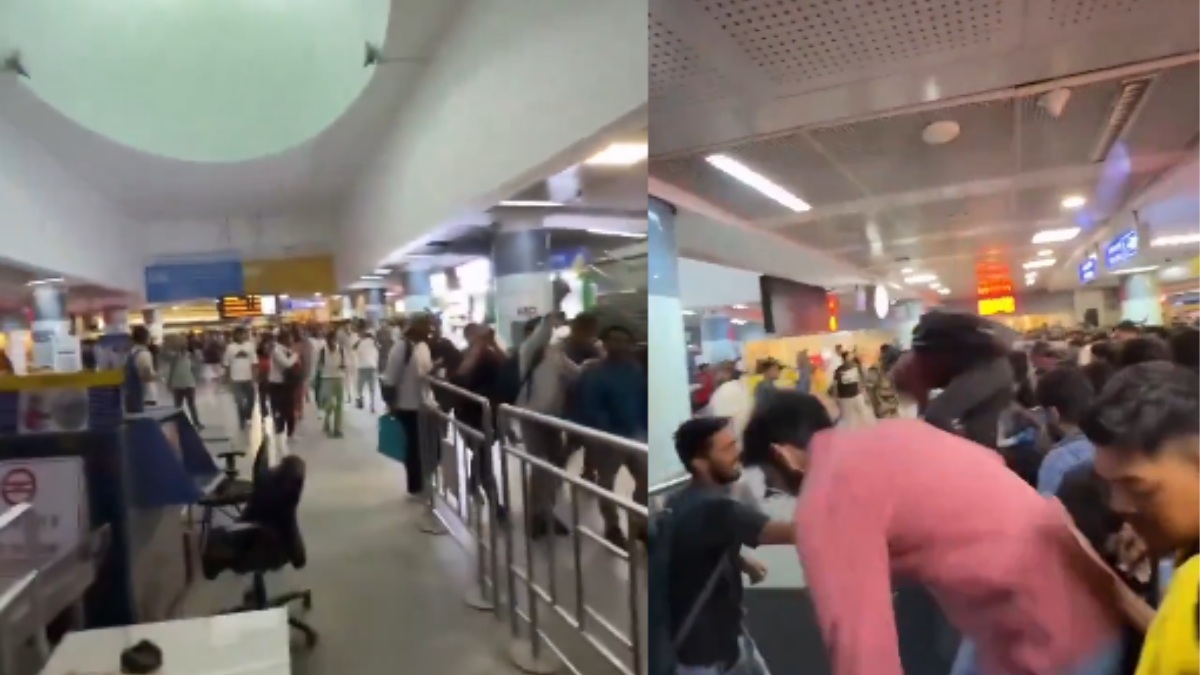
Security agencies have been on the watchful eye on how to prepare for large-scale crowds and increased security in and around central Delhi through the DMRC at night and police were in charge of security arrangements in anticipation of large crowds and security measures to keep trains at the metro stations and in the middle of central Delhi.
The temporary closure of the stations caused long queues outside several metro stations and passengers made choices to go to the offices, educational institutions, government buildings and other places. In the wake of the recent suspension of metro stations many commuters were waiting for buses, taxis, auto-rickshaws and app-based cab services.
According to officials, the station closures were part of preventive precautions on the part of the security forces to keep the public order in place during the planned march to Parliament. Security agencies had earlier beefed up the deployment at sensitive locations like Parliament House, Jantar Mantar, India Gate and key roads in central Delhi, as well as in the heart of Delhi's central Delhi area.
Delhi Police and other security forces were deployed at metro stations, road intersections and key public places to control the flow of people and to respond to any law-and-order situation as soon as possible. Barricades were put up at various points. Traffic diversions were implemented on a number of major roads for crowd control.
Although metro trains did not stop on metro train lines on the affected corridors in some cases, trains did not stop at the temporarily closed stations. People who are using the affected corridors are advised to move to a nearby operational station and to use other modes of public transport in their area. Public announcements, digital information boards and social media updates were used to inform passengers of the temporary restrictions, the police said.
The closure caused overcrowding at metro stations next to them as commuters tried to change routes. Lines were very long at ticket counters and the entry gates, and buses on nearby roads were filled with people. Traffic congestion caused by people moving to road transport also increased on the surrounding roads as more people crossed the road so far.
Workers, students, tourists and daily commuters expressed frustration over delays but acknowledged the importance of security arrangements during large public demonstrations. Many passengers asked the authorities to give them information and advance notification in advance to help them plan better for travel and travel security, so people can manage their travel in advance for a more effective way during such crowds of people and for the first time during those big demonstrations.
The restrictions were only preventive measures and were intended to protect public safety, officials said. Large political demonstrations and protest marches near Parliament often require coordination of transport authorities, police and emergency response agencies.
The Delhi Metro, one of the world's busiest rapid transit networks, carries millions of passengers a day and is the backbone of public transport in the national capital region. The temporary station closure could also have a ripple effect on the city’s transport system during peak travel hours.
As security experts have pointed out, metro stations situated near high-security zones can be temporarily closed during large public events, VIP rallies or intelligence-based security checks. Police and transport officials generally work on such decisions based on coordination between law enforcement and transport agencies to lower the risk of security risks while still providing essential services.
Delhi Police continued to monitor the situation throughout the day. The police, traffic forces, and emergency services remained on standby in case there was any unexpected development. Citizens should cooperate with security personnel, not spread unverified information, and focus on metro and traffic plans from the official advisories given by authorities.
DMRC advised passengers to check service updates before starting their journey and encouraged commuters to leave early and allow more time for travel due to the anticipated delays. Travelers going to the central side of Delhi were advised to consider other routes and be flexible with their schedules.
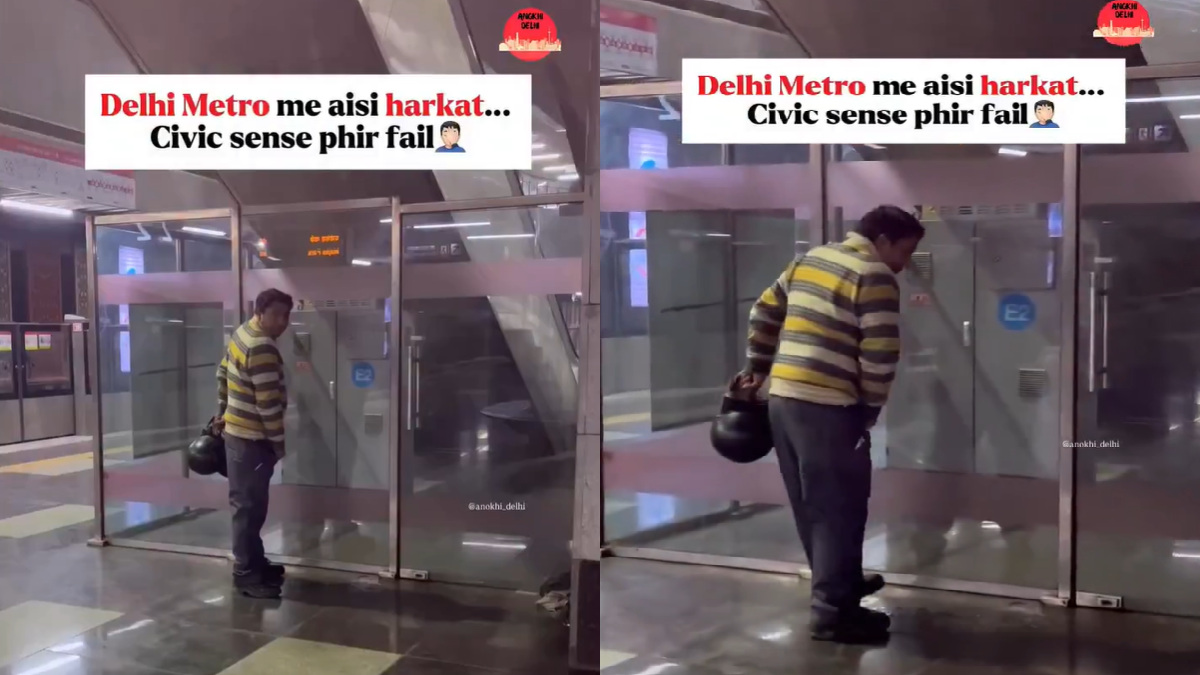
Entry gate Closed at Delhi Metro so CJP protesters jumped outta gate: pic.twitter.com/D1wsfCF76z
— XYZ (@_Suszneg_) July 20, 2026
As the CJP's Parliament March proceeded under increased security, the authorities maintained that the temporary restrictions would be reviewed based on the situation. Once security agencies felt safe to resume normal operations, the affected metro stations would be reopened for passengers.
It was yet another instance of the difficulty of reconciling public transportation needs, security measures and citizens’ right to peaceful assembly in the context of a densely populated urban environment. The temporary closures had inconvenienced a lot of commuters but officials said the measures were in the overall interest of safety, and the police were able to keep order throughout the mass demonstration.