Delhi Police Special Cell has arrested a young couple linked to an espionage network in Pakistan, which investigators said involved the supply of Indian SIM cards and the collection of sensitive data, and trying to find people who are willing to hire them for espionage-related activities.
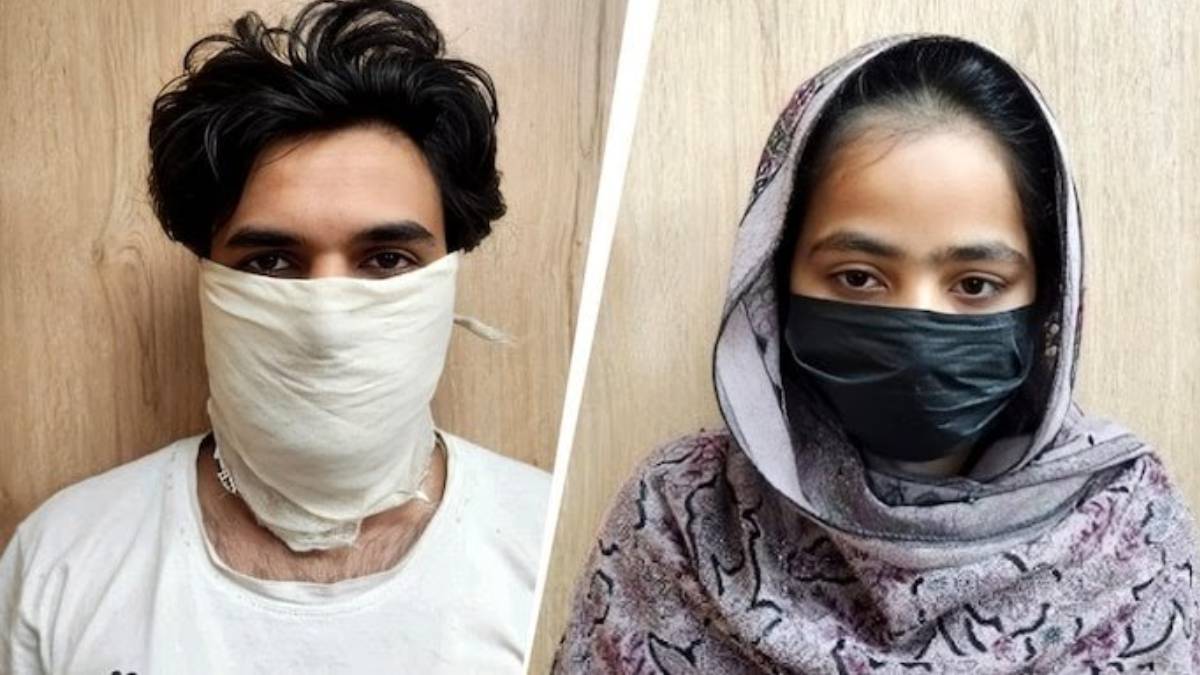
Mohammad Sahil, 25, and his wife Sameera, 21, have been identified as the suspects. Police said that in 2024 the couple had been in touch with Pakistan-based intelligence operatives. The investigation is now into the wider network, the couple, and the handlers from Pakistan.
Police believe the couple purchased eight Indian SIM cards and sent them to Pakistan through Dubai between 2024 and 2025. The SIM cards were used to activate WhatsApp accounts with Indian numbers, investigators say. Pakistan-based operatives then used them to communicate with people in India and get into WhatsApp groups to gain information.
#WATCH | The Northern Range of the Delhi Police Special Cell has busted an alleged ISI-backed, Pakistan-based espionage network and arrested a Delhi-based couple accused of working for Pakistani Intelligence Operatives (PIOs) through social media since 2024, officials said.
— ANI (@ANI) August 28, 2026
The… pic.twitter.com/0JK2p5Vy94
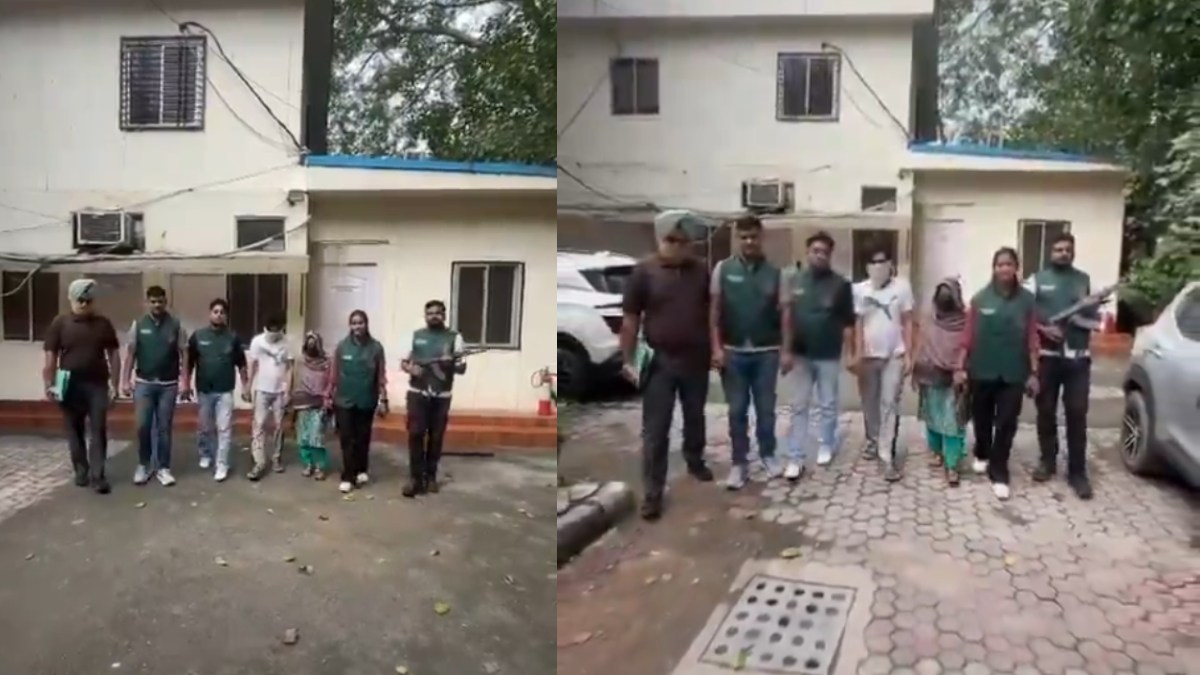
The investigation started with Sahil’s arrest. A forensic examination of his mobile phone allegedly revealed conversations with Pakistan-based intelligence contacts. Later, investigators traced Sameera’s alleged involvement and arrested her as well.
According to the police investigation, Sahil first came into contact with a Pakistani agent in 2024 through Instagram. The contact eventually led to a relationship with a Pakistan-based intelligence operative who is accused of recruiting the couple by providing financial assistance. Police have claimed the network later assigned them various logistical and intelligence-related tasks.
One of the more serious allegations involves reconnaissance of military and cantonment areas. The police allege that Sahil was asked by the police to recruit people to conduct reconnaissance and gather information about defence establishments. The investigators are also investigating whether information about Army personnel, including those in court-martial proceedings, was sought, they say.
And not just information gathering, the alleged operation was also supported by the couple, which police say is involved in logistics and in establishing communication channels between Pakistan-based handlers and people in India.
The use of Indian SIM cards is particularly relevant in this investigation. The cards were brought to Pakistan from Dubai by Pakistani operatives who were trying to create WhatsApp accounts that appeared to have Indian phone numbers on them, police said. Then investigators believe that these accounts could be used to approach Indian contacts and possibly access groups containing sensitive information.
Two mobile phones were recovered from the accused. Forensic examination of the devices allegedly revealed conversations involving Pakistani intelligence operatives and information about contacts connected to the suspected network, police said.
Now, authorities are investigating whether the couple had recruited or facilitated the activities of other people. Further investigations are on track to reveal the identities of the handlers in Pakistan and the extent of the network in India.
The arrests illustrate the continuing security challenges posed by social media-based recruitment and remote espionage operations. The network set up connections with people using Instagram, WhatsApp and encrypted messaging networks to recruit users and exchange what they know.
At this stage, the allegations are being investigated, and judicial proceedings are ongoing. The police will then continue to assess digital evidence, financial transactions, communication records and other material gathered during the operation for a full picture of the alleged espionage network.
Sahil and Sameera’s arrest is seen as a breakthrough by investigators as it has given leads on Pakistan-based handlers and their contacts in India. More arrests are also still likely to be made as the Special Cell continues the investigation of the suspected network.