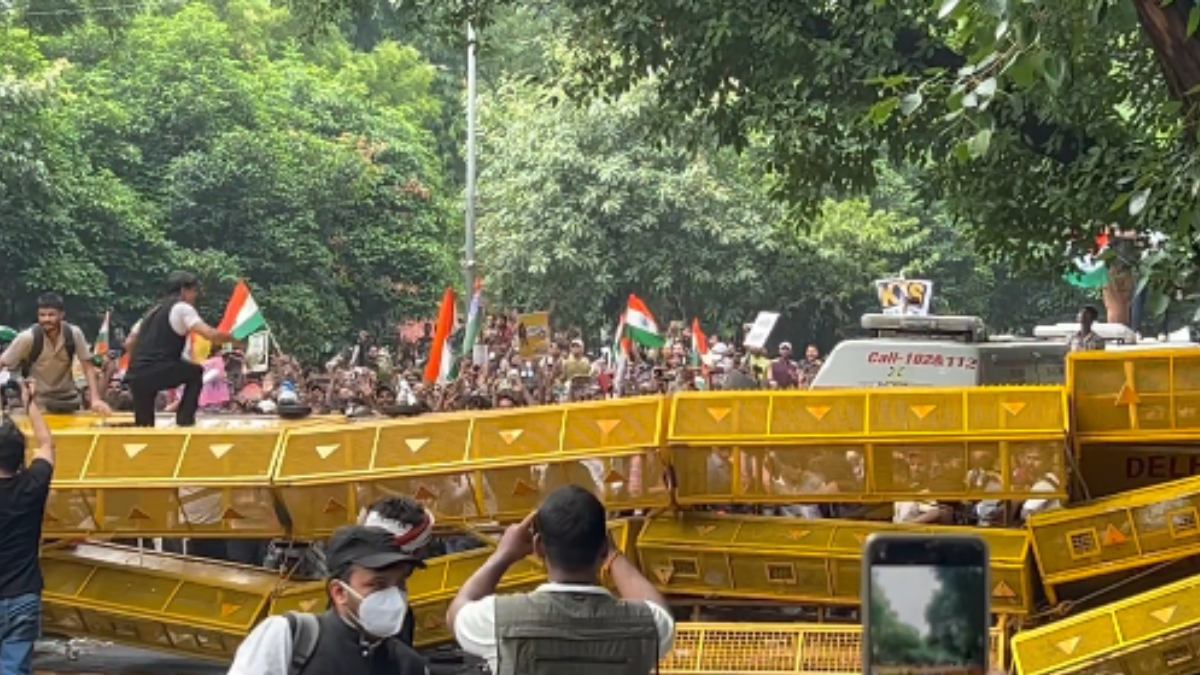
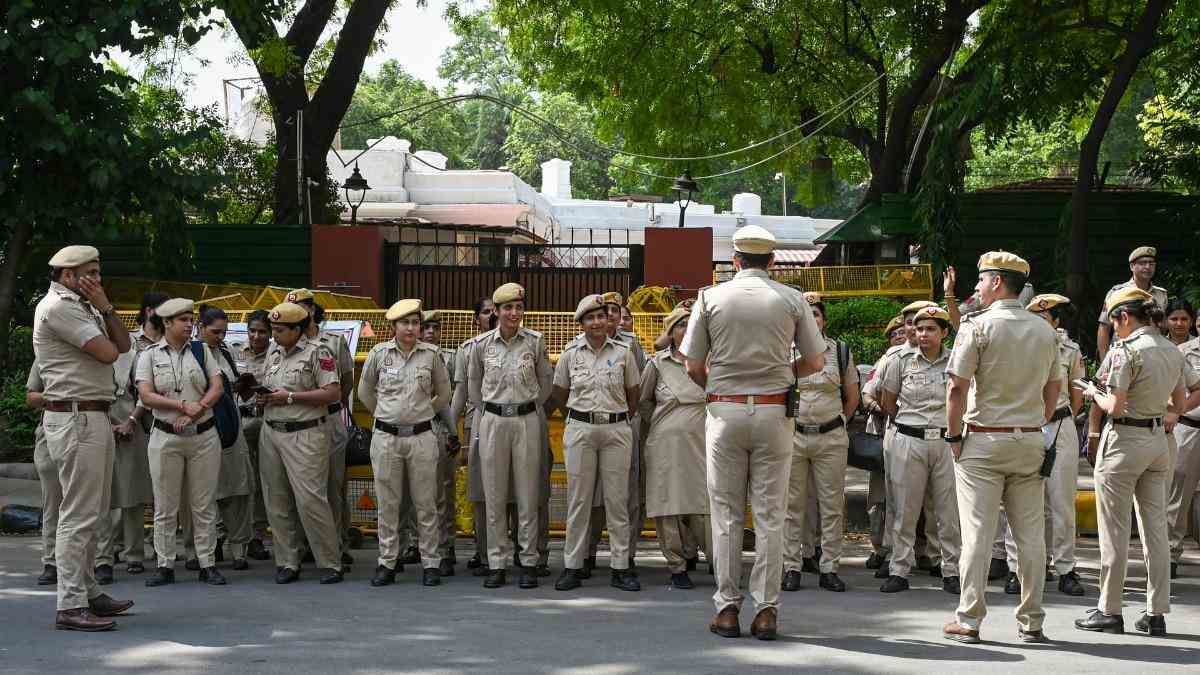
The Delhi Police is looking into whether some of the Cockroach Janta Party (CJP) protests used Bluetooth-based messaging apps during times of mobile network limitations in parts of central Delhi.
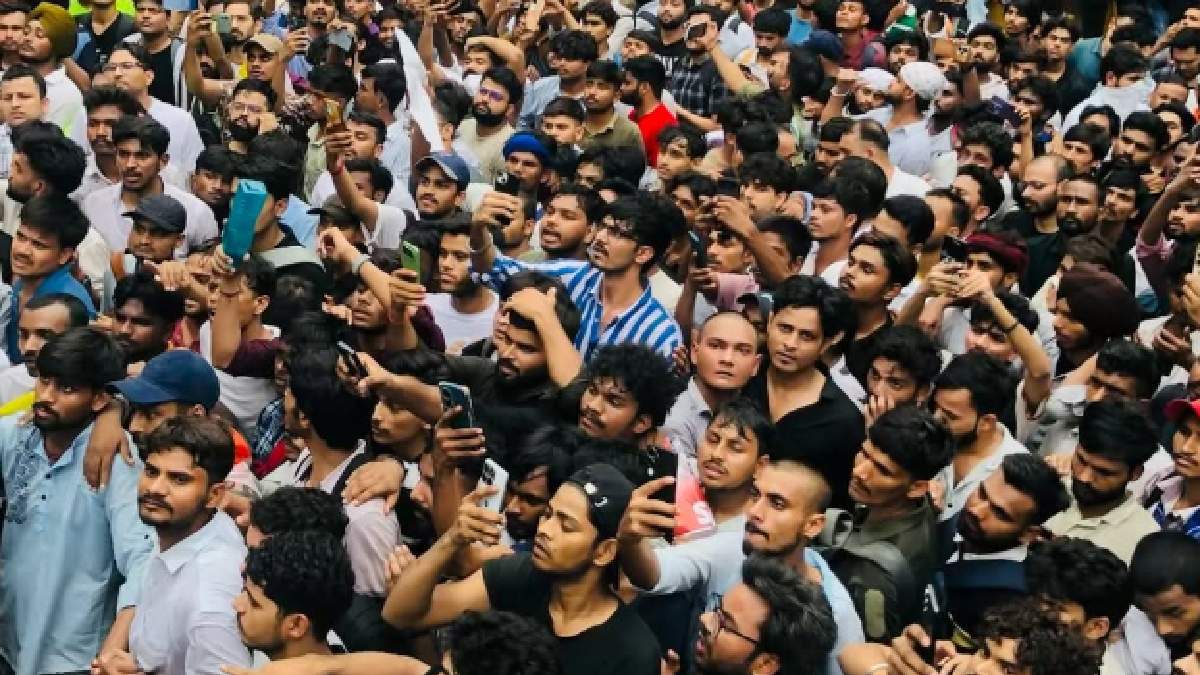
Such technologies are a relatively new form of communication and allow smartphones near one another to talk to each other without mobile data, Wi-Fi or cellular networks.
According to reports, investigators are investigating if protesters gathered around Jantar Mantar and Connaught Place used such technology during the recent unrest. But police have not publicly confirmed that any specific application was definitely used by protesters.
The inquiry comes as authorities have increased security measures and mobile signal jamming equipment has been deployed in the protest zone. Large numbers of CJP-led demonstrations have been reported as clashes, stone-pelting and damage to property (and police investigations).
How Offline Messaging Works
Unlike most online messaging platforms that require an internet connection, offline communication systems connect nearby devices directly using short-range wireless technologies.
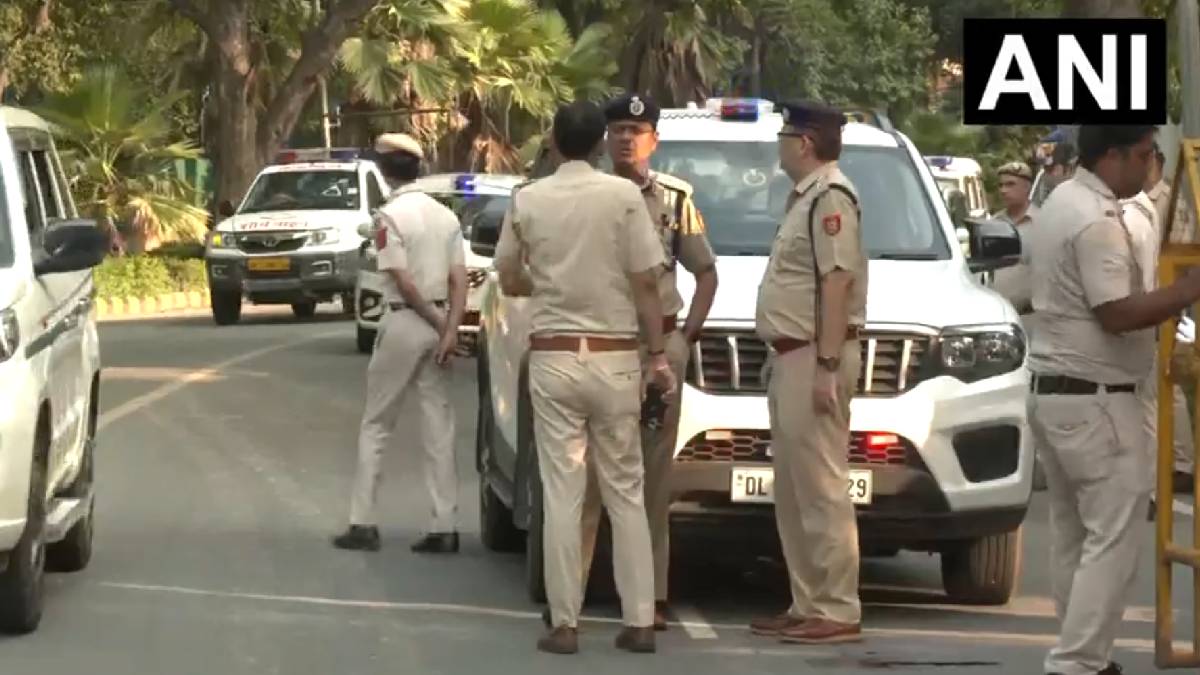
In a mesh network a message can travel from one device around to another and in some cases phones can be relay points. That means that communication can continue in a small area when mobile internet connection is not available.
The technology is not new and has earlier attracted attention during emergencies, natural disasters and large public gatherings when communication networks are unavailable or overloaded.
But its effectiveness is very much dependent on distance, the number of devices involved and the technical configuration of the system.
Police Expand Digital Investigation
Indeed, there is now an investigation into the offline communication technology as part of a larger investigation into the violence surrounding the CJP protests.
Investigators are now trying to look at digital evidence, internet protocol data records and CCTV footage, officials said. Facial recognition tools are also being used to identify those suspected of involvement in violence and vandalism, he said.
According to police investigators, communication networks were used in the protest to coordinate activities.
The authorities will seek information from relevant service providers involved in the investigation, but officials have not disclosed a specific application as being definitively used by protesters, they said.
Protest Turns Into Major Security Challenge
The investigation comes at a time when the CJP-led protests have turned into heated ones.
The movement— which has called for action against alleged cheating in competitive exams and for government officials— has attracted tens of thousands of people to central Delhi.
Later, there are reports of violence between protesters and police and violence against public property due to the protests.
The phenomena have also triggered a much more vigorous debate on crowd control, mobile bans in protests and the increasing use of technology in large-scale demonstrations.
One of the challenges police officers can face is even when internet connections are disrupted, nearby devices may still be able to communicate in limited numbers.
At the same time, the use of such systems remains under investigation. Until authorities know what technology was actually used and by whom, the claims about offline messaging during the CJP protests are allegations and not real findings.
The Delhi Police investigation will look to determine whether communication was instrumental in coordinating activities during the unrest or if some people just talked about or used the technology without the violence happening, or if the information they used was only about whether they had any link to the reports of violence.