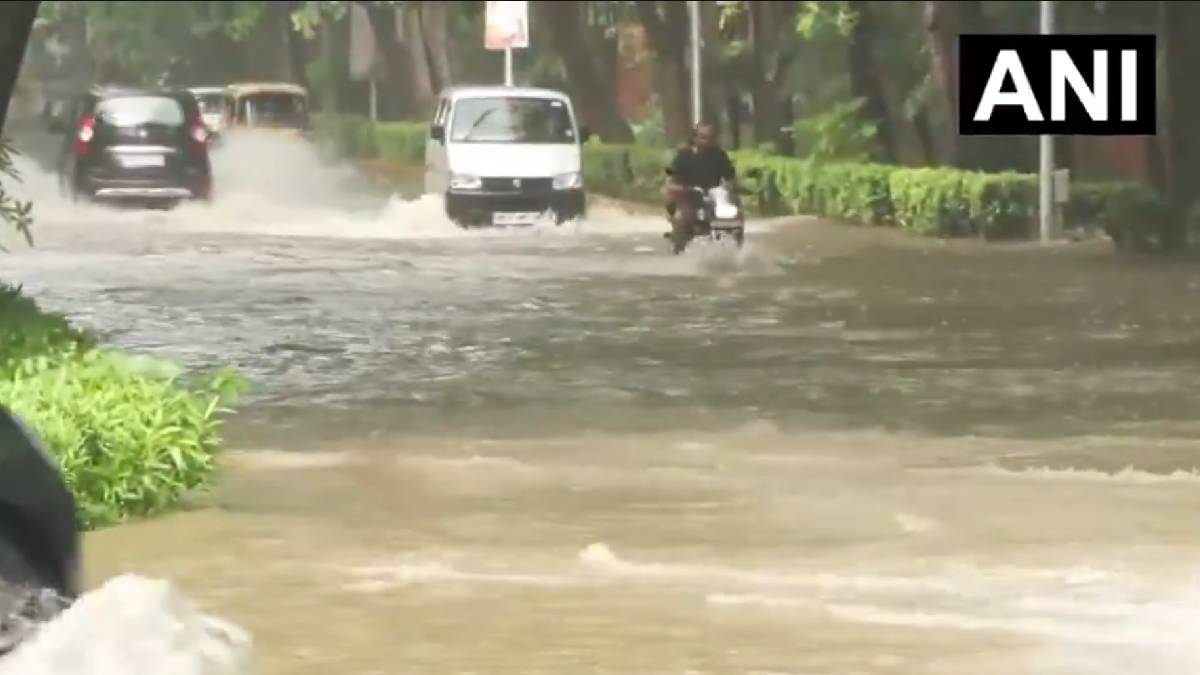
Waterlogging in some parts of Delhi was caused by heavy rain and flooded areas of the capital caused many parts of the capital to get flooded, causing problems in daily life and making life miserable for commuters. Heavy showers in Delhi and other parts of the city caused water to wash out on roads and low-lying areas, causing traffic to get stuck, people to be stranded on the road, and pedestrians to be stuck in traffic jams due to heavy rainfall in the city.
The recent rains have further aggravated the problems in the national capital during the monsoon season during periods of heavy monsoon activity, and the recent rain has again highlighted the difficulty faced by the capital during the monsoon season. Seasonal rainfall is very important for the region, but heavy showers in a short time can put pressure on the city’s drainage systems, with water building up and getting stuck in the city’s drainage system and water accumulating on several busy roads.
We saw roads and highways in various parts of Delhi covered with rainwater and cars slowly passing through affected areas. Waterlogging can lead quickly to traffic congestion when roads are full of vehicles during peak hours. Even short trips can take a lot of time when major routes get partially submerged.
Many types of commuters are most affected by such weather conditions. Two-wheeler riders are driven over slippery and waterlogged roads, and pedestrians can't cross flooded roads safely. Public transport services can also be delayed when buses and other vehicles slow down or detour from their routes.
The situation is very bad for low-lying communities too. Heavy rainfall can affect the city’s buildings and businesses, because the accumulated water can flood homes, shops, and other buildings. Public authorities would have to deal with clearing water quickly so that it would not build up on top of the damage if more rain comes.
Delhi’s drainage system is often under scrutiny during the monsoon season. The city is growing and has many paved surfaces and a very large population. Water can build up faster than it can be drained when it rains and in places where drainage capacity is low, or outlets are blocked.
#WATCH | Delhi: Several areas of the national capital face severe waterlogging following heavy rainfall.
— ANI (@ANI) August 25, 2026
Visuals from near Ram Manohar Lohia Hospital pic.twitter.com/XqDntE8YTB
Civic agencies often respond to waterlogging by deploying pumping equipment, clearing drainage points, and monitoring vulnerable spots. Traffic officials can also redirect traffic or encourage commuters to switch routes if it is too difficult for them to take the roads.
Residents should be careful when it rains. Drivers should be warned to avoid driving through deep or fast-flowing water in the rain and not to drive through potholes, open drains, and other hazards when driving at high water levels. Two-wheeler riders should be cautious, and pedestrians should avoid walking through waterlogged areas where electrical and drainage hazards may be present.
The heavy rain also serves as a reminder of the need for long-term urban water management as well. Boosting drainage capacity, maintaining stormwater drains, clearing out blockages before the monsoon, and identifying vulnerable areas will alleviate the effects of extreme rainfall events.
With the monsoon conditions, additional rain might lead to more waterlogging and traffic disruption in parts of Delhi-NCR. Residents and commuters should be aware of weather alerts and local traffic alerts.
The latest waterlogging has once again shown how fast heavy rainfall can impact daily life in the national capital in a particularly life-changing way. As Delhi continues to experience seasonally rainy weather, coordination of weather officials, civic agencies, and traffic authorities will be necessary in the future to minimize disruption and protect the safety of the residents.