A debate is currently underway on campus gossip line between Delhi University students based on rumors on campus gossip line that a student was denied the opportunity to play a 'Nari Shakti' (women's empowerment) event, such as the game-match held at Delhi Conference hall.

The whole thing is taking place in a mock parliament session at Shri Ram College of Commerce in their chamber and this caused some people to ponder the gap between empowering the college, and what they experienced in reality based on the reality in the world.
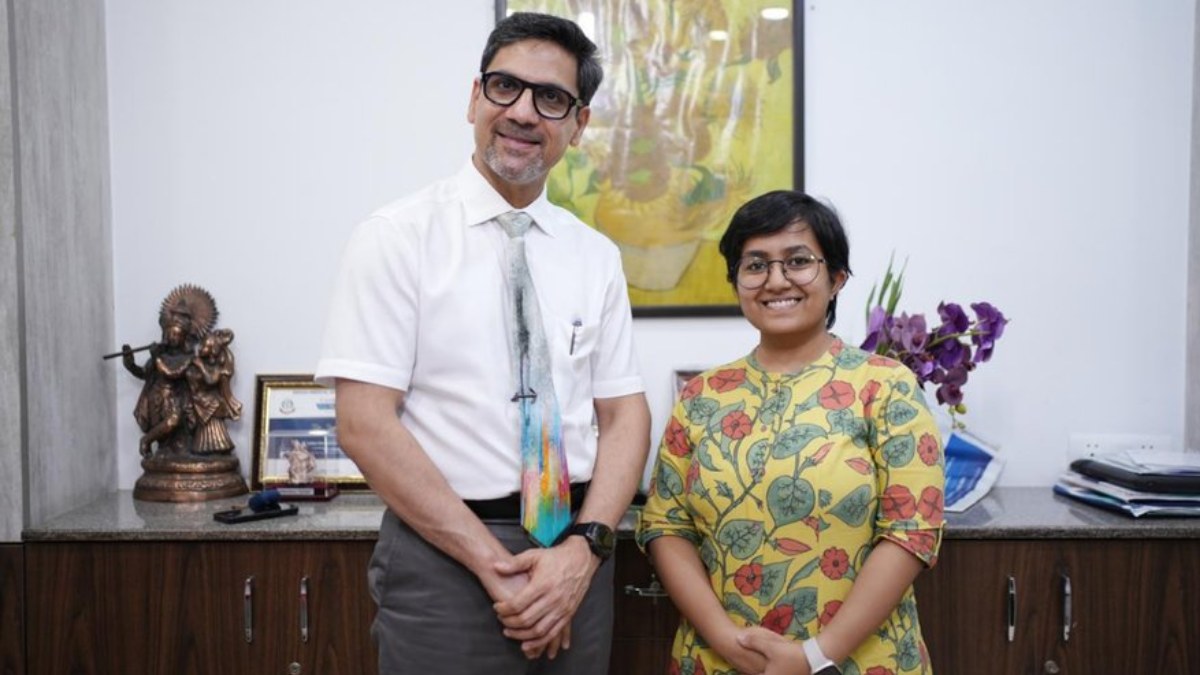
Sara Sharma, who was studying at Daulat Ram College, was asked to escort a guest to Mansukh Mandaviya’s gameroom and lavish party. She complained, according to event officials, that despite wearing traditional Indian dress at the party, she was reportedly prohibited from stepping on stage because of her sleeveless dress. Sara’s experience had left her deeply disappointed and humiliated. Publicly told she couldn’t walk, and couldn’t carry on, because of her clothes, she said she was embarrassed by the people nearby.
It felt all the more devastating, she said, “because the event was about women’s empowerment and leadership.” This has only compounded how much further I have gone and how ironic the tragedy has become itself: that the event was supposed to be celebratory of women’s strength and independence, yet was actually putting a very strong code around appearance in the community.
Sara noted that this response was based not just on ideas she absorbed internally, but also upon social pressures raised by a female official. That the incident made it live and that it sparked a national conversation because people started talking about that, that situation. So many people are critical of the authorities when they talk about what people wear at school, because in their eyes these are worse than the problems: judging people off their clothes is not empowerment. Others wondered why the restrictions were so thoroughly entrenched in schools that purportedly brought everyone closer together, in a movement for progressivism.

“The incident has reignited the struggle over dress codes at colleges and universities.” Such rules are frequently used against women, critics say, limiting their personal autonomy, but some people say they further preserve decorum. Empowerment was always about having respect for that decision and not trying to impose moral judgment of what is right or wrong, and from educationists and activists, that I learned empowerment is about respecting people’s choice.
She is from Delhi University.
— ︎ ︎venom (@venom1s) April 16, 2026
She and other girls were invited to Sri Ram College to attend the Nari Shakti event. They asked them to wear proper traditional attire. She did not and wore a sleeveless salwar suit.
When they did not let her felicitate the chief guest, Mr. Mansukh… pic.twitter.com/9pURHVRaHj
Institutions of learning are environments where we should have all the self-confidence, belongingness, and self-affirmation and self-expression that go with success. But going forward, we must remember again and again as we enter the dialogue as the episode is an apt reminder, it is no coincidence then, that a number of deep-rooted issues still remain many men and women still are at work trying to reconcile cultural or societal forces with the promotion of gender equality.
Whether such a situation could lead to a better policy response, or a pause for thought, this discussion has certainly thrown that call to action back into the spotlight once again, and more regularized, meaningful and substantive ways forward in the way we handle how to support women in our efforts to empower women.