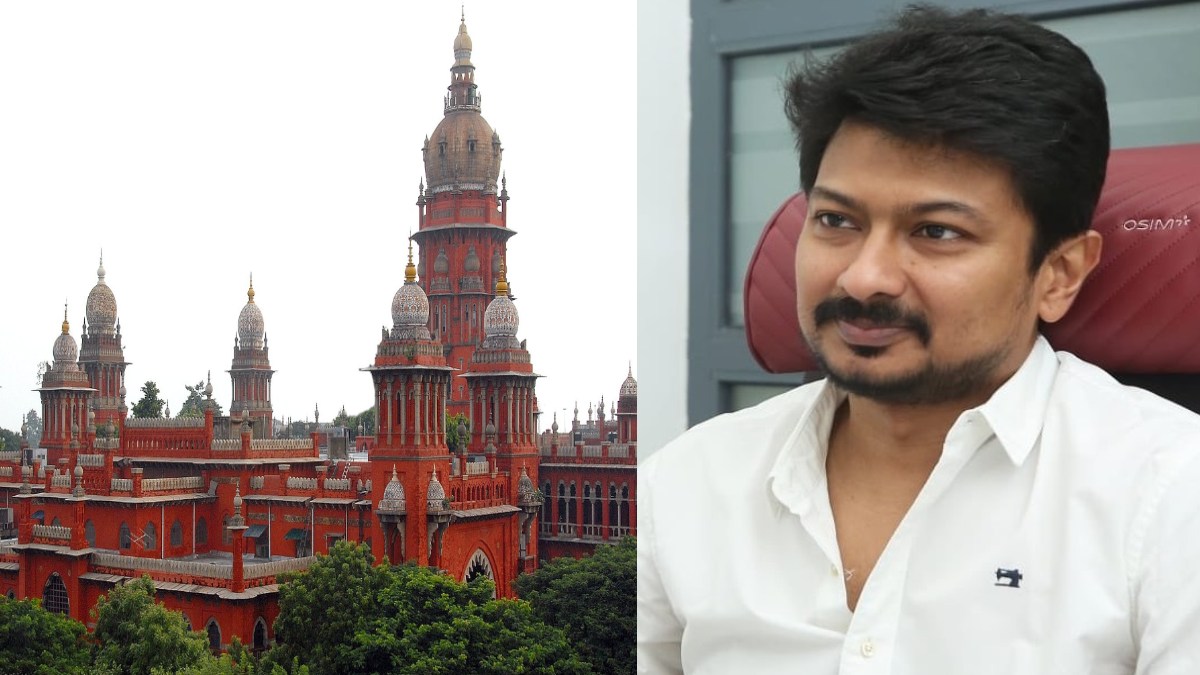
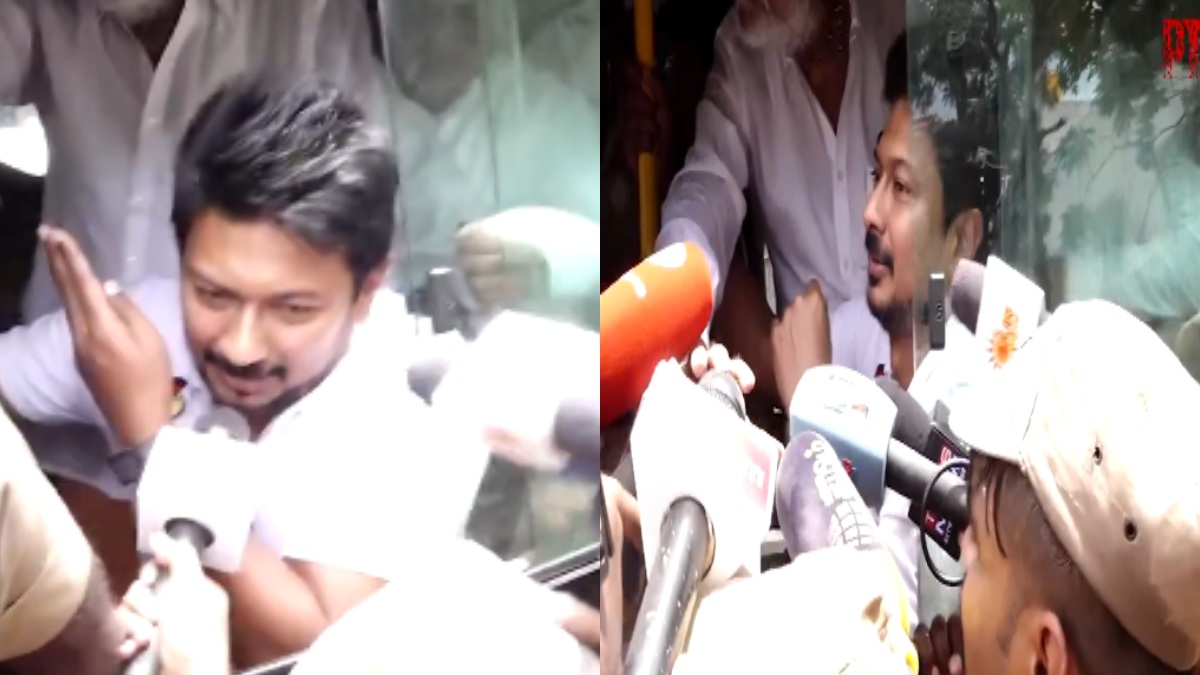
DMK Youth Wing claims the arrest of Udhayanidhi Stalin is a politically motivated move by the government to prevent him from raising important issues during the current Tamil Nadu Assembly session. It said the timing of the police action was not coincidental and accused the government of attempting to silence the Opposition by keeping one of its prominent leaders away from the House.
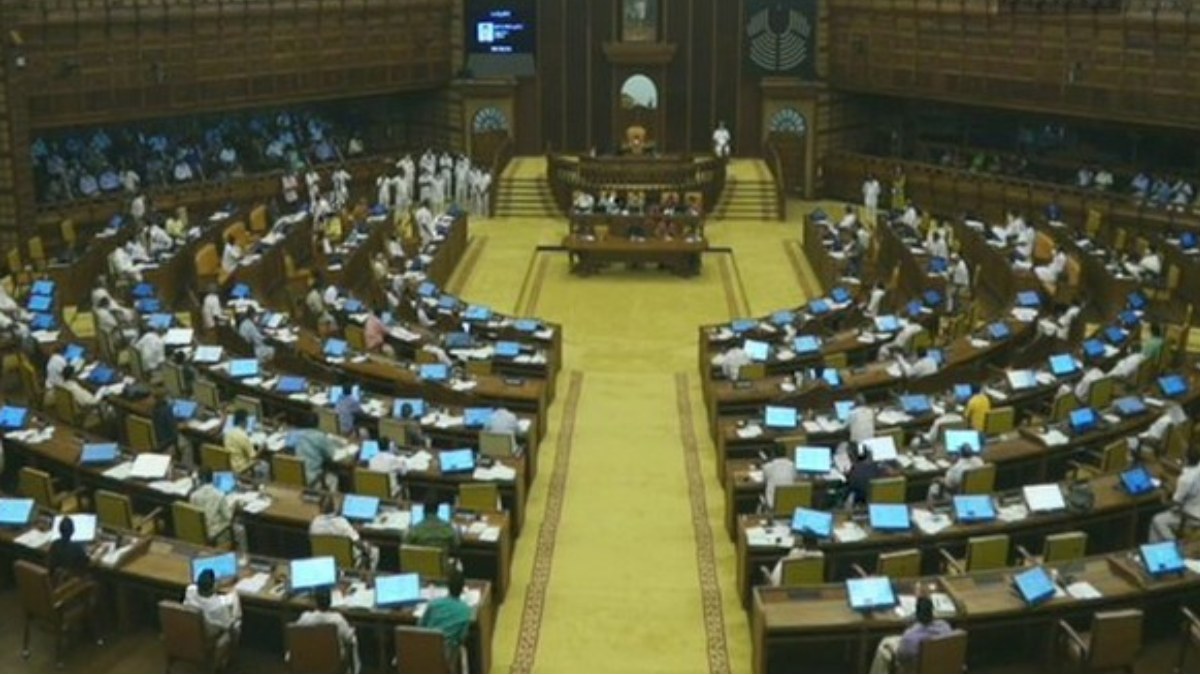
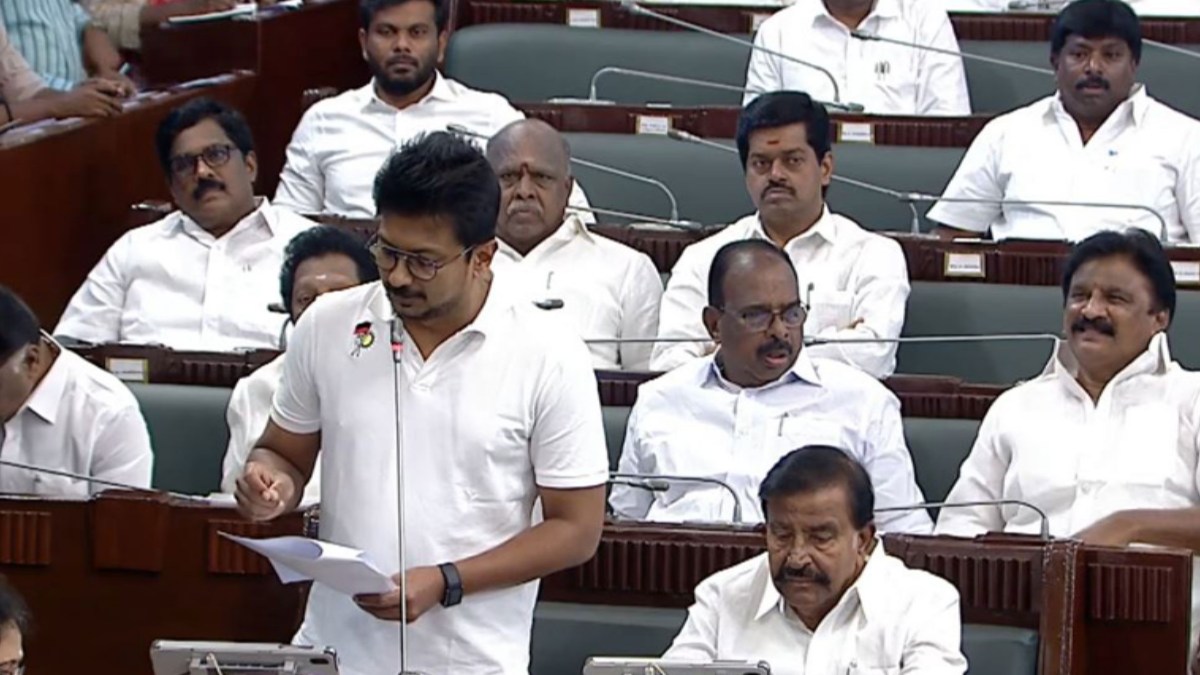
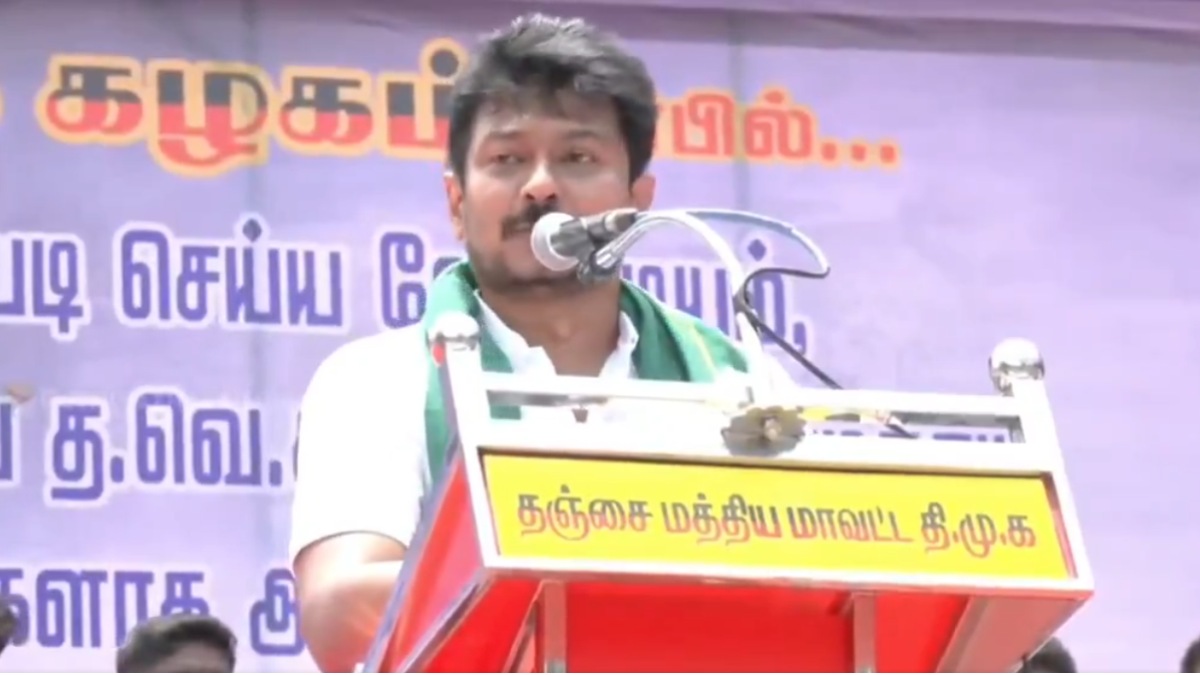
The allegation came after Udhayanidhi Stalin was arrested in the wake of a public meeting in Thanjavur where he made some controversial remarks and was released by the police. The police claimed the arrest was part of an ongoing legal investigation, but the DMK Youth Wing claimed the arrest was political.
According to party leaders, Udhayanidhi was scheduled to raise a number of issues concerning public welfare, governance, and state administration during the Assembly proceedings. His detention was to prevent those matters from being discussed on the floor of the House, said the Youth Wing.
The issue gained further momentum when the Madras High Court instructed the police on the release of Udhayanidhi Stalin on station bail after questioning, stating that due legal procedures should be followed. The court’s intervention enabled the Opposition leader to get relief straight away and the investigation went on.
Following the high court’s decision, DMK leaders described the judicial intervention as a reaffirmation of constitutional safeguards and accused the ruling establishment of using investigative agencies to create political pressure. They said democratic institutions have to make sure elected legislators can carry out their legislative duties without unnecessary interference.
The government said that it took action against Udhayanidhi Stalin only after complaints on his public comments and that the investigation was conducted in accordance with the law. At the same time, officials have denied political vendetta and said that no one is above the law and that due process is being followed.
Some of these people, who are leaders in the Opposition, have also criticized the government’s actions and also stated that those in power should be held accountable for the public comments made in a public meeting if complaints are filed citing legal violations.
Political analysts point out that arrests or detentions of legislators in Assembly sessions are often even more serious because legislators’ actions affect legislation at a time of high public interest and become a subject of wider political debate. Such episodes frequently result in accusations of misuse of state machinery from the Opposition and denials from the government.
The matter is also very much debated on social media, with supporters of both sides in the political sphere opposing Udhayanidhi’s questioning. Some people said it was a legitimate legal procedure; others argued the timing of Udhayanidhi’s questioning was politically significant because of the Assembly session.
Lawyers say that questioning an individual in connection to a complaint does not constitute guilt. In Indian law, every accused person is presumed innocent unless proven guilty before a competent court. And they also point out that courts have repeatedly stressed that arrests must be justified by investigative necessity and not be used routinely when less restrictive measures are sufficient.
The Madras High Court's order of releasing Udhayanidhi Stalin on station bail after questioning has been a key factor in the debate. Although the court made it possible for him to be released immediately, the investigation into the complaints against him is still on.
The developments will continue to shape political discourse in Tamil Nadu during the Assembly session. Opposition parties will take a stand on the nature of the arrest and the government will defend the legitimacy of the police action.
In the meantime, investigators will review Udhayanidhi Stalin's speech, the complaints against him, and other evidence to decide what to do. The political discussion on the incident will only continue as the state's political climate gets so heated.