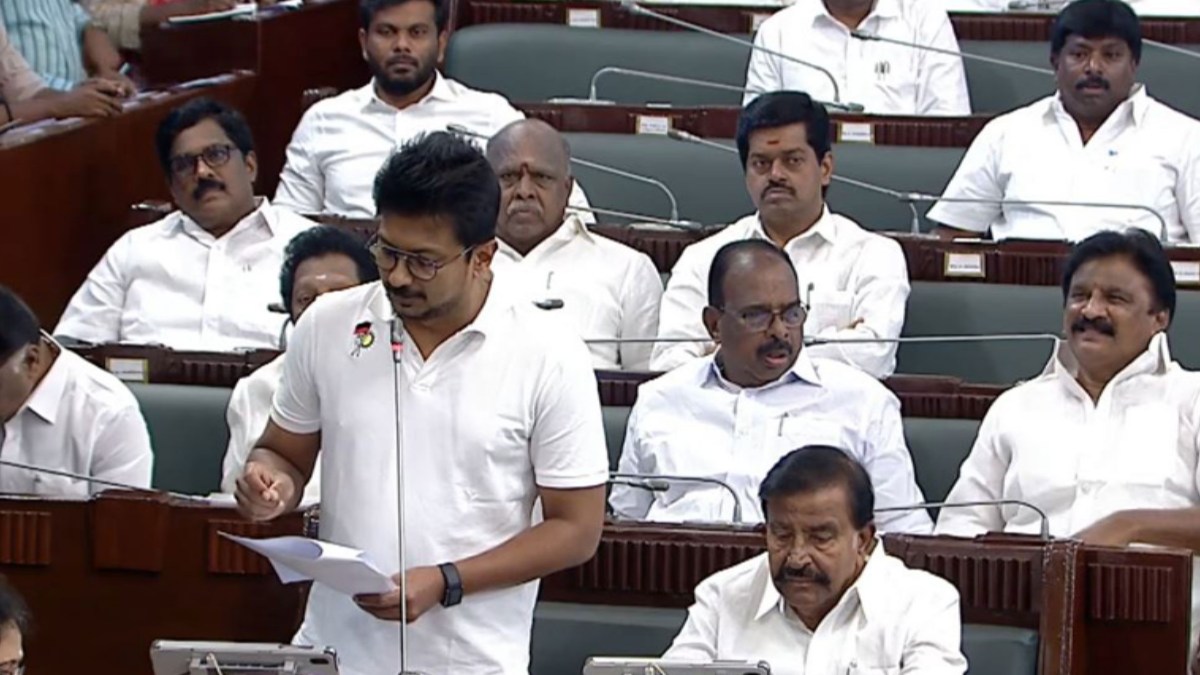
Tamil Nadu Deputy Chief Minister Udhayanidhi Stalin was concerned about the increase in the prices of essential commodities in the Tamil Nadu Legislative Assembly when a national perspective of rising prices was brought to the public’s attention in terms of the pressure on household and consumer costs.
In the context of household budgets, food costs and living costs, essential commodity prices are very much on the agenda in the state legislative assembly.
Udhayanidhi Stalin during the Assembly discussion highlighted the increase in prices of essential goods and brought the matter into focus as the state’s welfare was the topic of discussion. Prices of everyday commodities are directly related to families and food and other basic essentials are a significant part of monthly household expenditure. This discussion therefore put consumer welfare and affordability at the centre of the Assembly debate.
The rise in prices of essential commodities fluctuates depending on the supply, transportation costs, seasonal production, weather conditions, market conditions, and inflationary pressures are among the reasons for the increase of basic goods prices. Agricultural commodities can also fluctuate due to weather and availability of goods. These changes affect prices at both wholesale and retail levels and can affect prices at both wholesale and retail levels which is a challenge for consumers when the price of commonly bought goods rise.
The situation is particularly acute for families with limited flexibility in their household budgets. When prices of vegetables, pulses, cooking ingredients and other necessities rise, households will be forced to adjust spending in various categories. So, a sustained increase in the cost of basic goods can have a ripple effect beyond individual purchases and affect household financial planning.

The discussion in the Tamil Nadu Assembly also highlights the state government’s role in monitoring market conditions and protecting consumer interests. State authorities can use various administrative mechanisms to track prices, examine supply conditions and coordinate with relevant departments when unusual price movements occur. Providing adequate supply and preventing unfair market practices can contribute to greater price stability.
Tamil Nadu is a big and diverse consumer market and people in urban and rural areas rely on regular supplies of essential commodities. The price trends between districts will be determined by transportation networks, local production, availability and demand. A good supply chain is indeed important and it is important for price pressure to be managed and for consumers to get basic goods at reasonable prices.
Udhayanidhi Stalin’s intervention puts the issue in greater political and administrative context. Talks at the Assembly allow elected representatives to raise issues in the eyes of the public and seek explanations for government action. Commodity prices can also lead to larger discussions on agricultural production, procurement, distribution and market regulation.
Consumers are probably the most obvious consumers of cost of living changes but prices of essential goods are also one of the most visible ones. While overall inflation figures are meant to give the overall picture of how prices fluctuate, in reality we see inflation in the lives of the people on a daily basis. A higher price of frequently used products leads to a more tangible financial pressure.
The government will also have to consider how supply-side challenges affect prices. Better coordination between producers, distributors and retailers can reduce unnecessary interruptions. Better storage and transportation infrastructure can also help to reduce wastage and ensure supply of perishable products. These are especially important in times where production and distribution are influenced by seasonal factors.
The Assembly discussion takes place in the context of increasing public interest in household expenses and affordability. Rising prices are not only an economic issue but they can also influence consumer behaviour and household priorities. When a greater percentage of the family’s income must be used for basic needs we could reduce discretionary spending.
Udhayanidhi Stalin’s concerns only point to the necessity of keeping crucial products affordable and price changes closely monitored. The Assembly is a forum where both immediate consumer concerns and long-term supply chain and market stability concerns can be addressed.
Tamil Nadu continues to face economic and welfare problems, so the price of essential commodities is likely to be an increasingly important public policy issue. Keeping supply and markets in order and responding to unusual price increases at the same time will help protect consumers from sudden financial strain. The National Assembly discussion has brought to the fore again the everyday economic reality of our people and the importance of government to protect the affordability of basic necessities.