The Madras High Court on Tuesday directed the Tamil Nadu Police to release Udhayanidhi Stalin on station bail immediately after questioning for comments made in a public meeting in Thanjavur. The court's order was a relief to the Tamil Nadu Opposition leader who had earlier stated he was prepared to face any legal consequences and was not afraid of arrest.
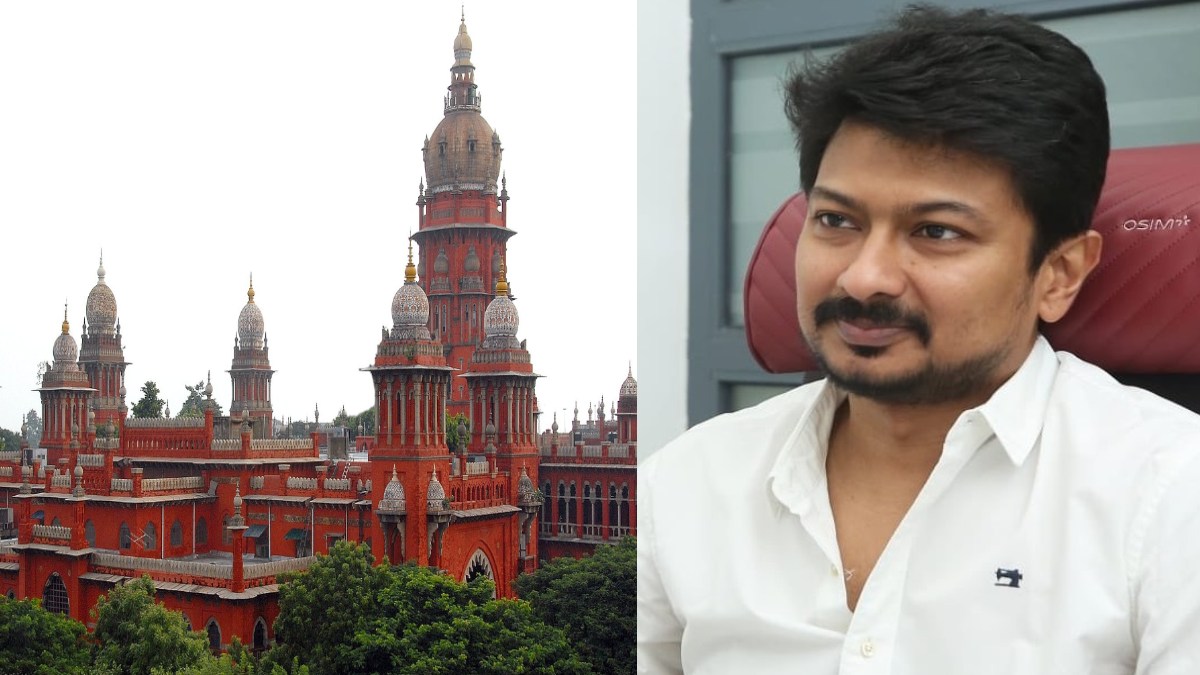
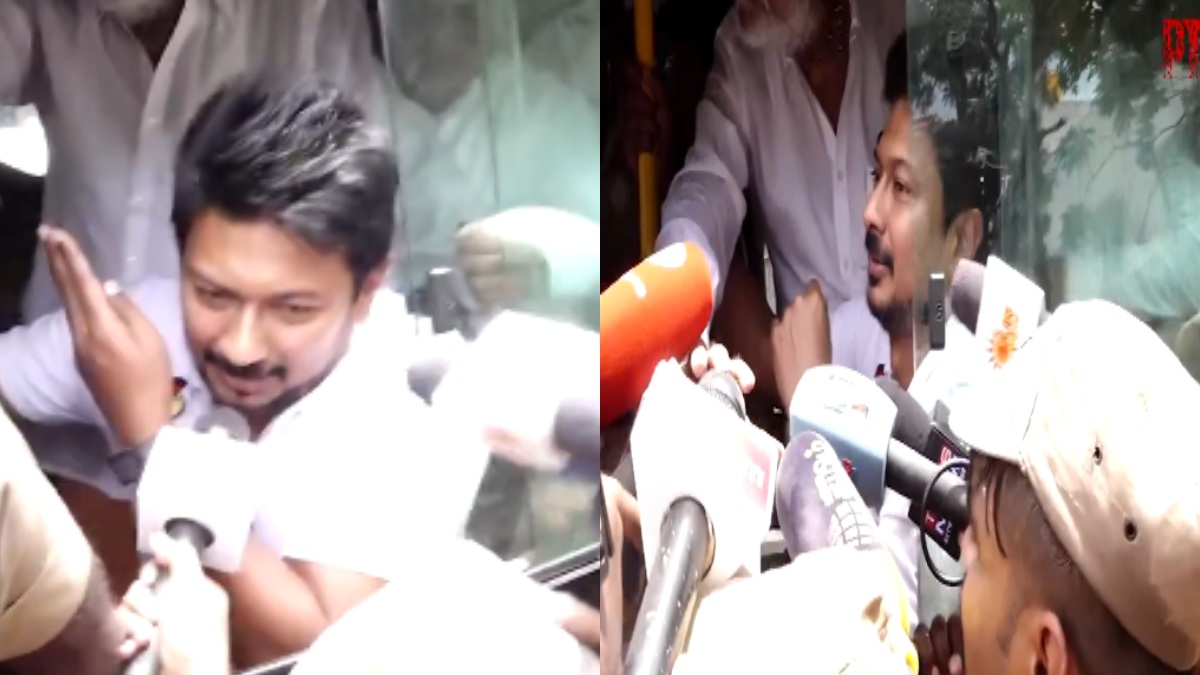
The High Court’s order came after Udhayanidhi Stalin was taken into police custody from his residence to question him for complaints made over his speech. The Court advised the police that if the leader was held for interrogation, he should be released on station bail on the same day so that due legal procedure was followed and that he had all his rights protected.
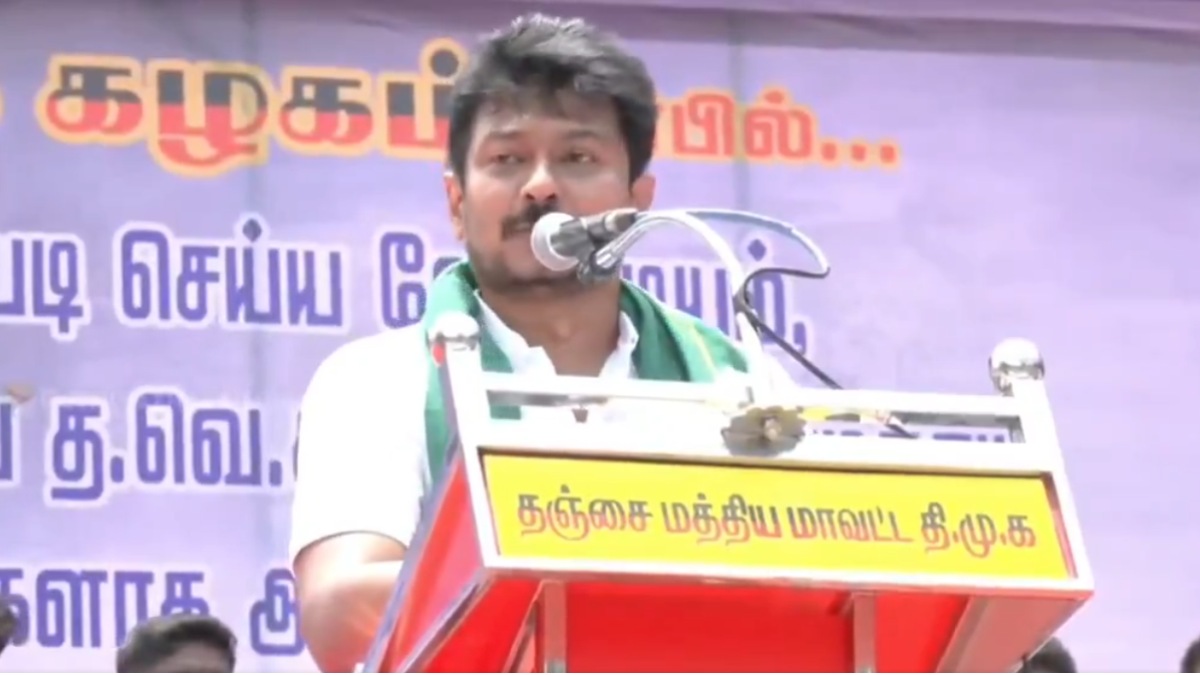
The development has become one of the most talked about political events in Tamil Nadu, and political parties, lawyers, and supporters are reacting widely. Udhayanidhi’s comments about his party made it the cause of complaint after the political meeting in Thanjavur, leading to government and legal action being initiated.
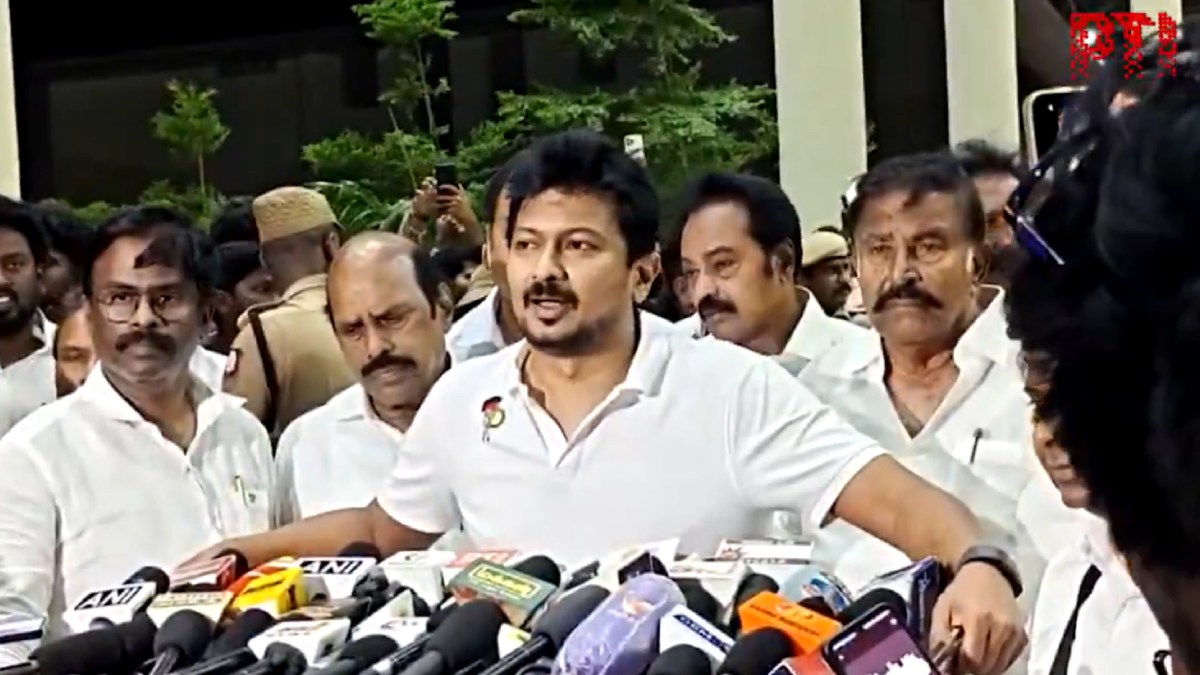
Udhayanidhi defended his speech before being taken into custody, saying that he had not named any individual or spoken in bad taste. He also said that he was ready to face the consequences of his remarks and was not afraid of arrest. His comments attracted extensive attention and intensified political debate in the state.
The Madras High Court’s intervention also highlighted the need to balance investigative powers with individual liberties. In issuing an order that Udhayanidhi be released on station bail after interrogation and to not be detained without trial, the court allowed for the investigation to proceed without detaining the accused.
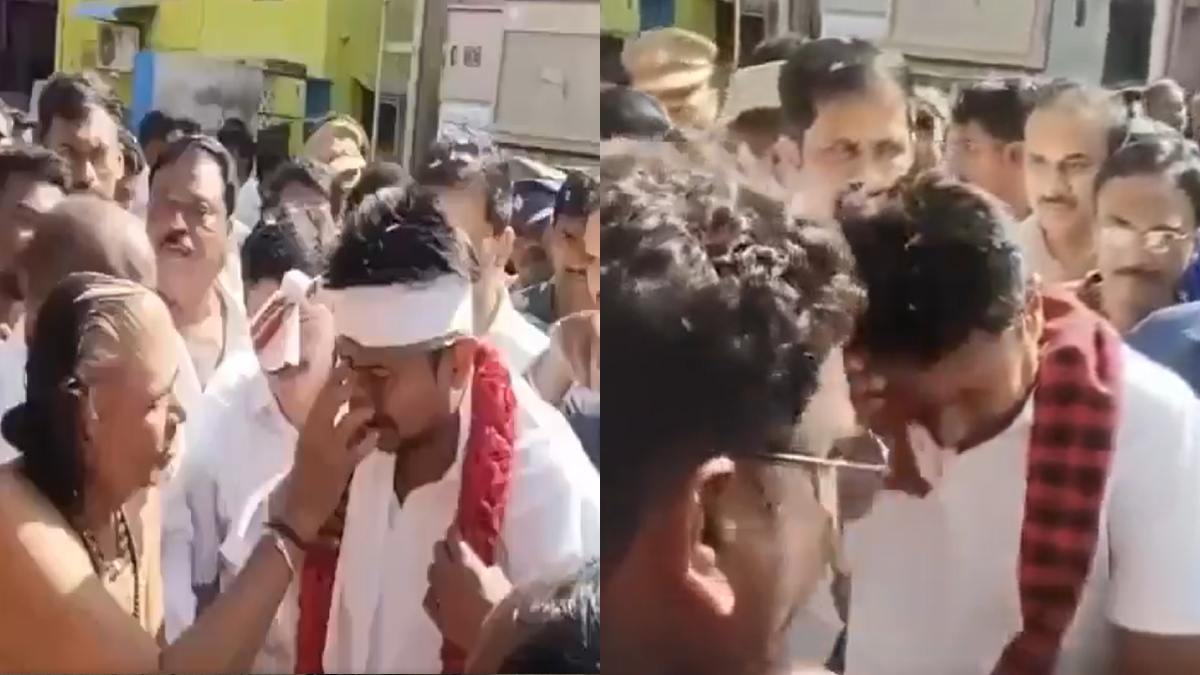
Station bail is a system that allows police to release the accused person at the police station after all formal steps are completed and the conditions are established. It allows the investigation to proceed and is necessary for cases where it is not considered necessary to hold someone in the first place and arrest is not needed after the initial inquiry.
As political prisoners are arrested and detained at times in high-profile cases, this case highlights the increasing judicial scrutiny on the matter. Most courts across the country have stressed that arrest should not become a routine practice and that investigative agencies must abide by constitutional protections in exercising their powers.
The controversies over Udhayanidhi Stalin’s remarks have also revived political relations between the ruling and opposition parties in Tamil Nadu. Opposition sides welcomed the High Court’s order as an affirmation of democracy and democratic rights. But political opponents claimed that public representatives should be held to account for what they say during public speeches.
The incident has also generated extensive discussions on social media, with hashtags on Udhayanidhi Stalin and Madras High Court trending. Many users commended the judiciary's prompt action, while others argued about the legal implications of political speeches and the duties of elected representatives.
Political analysts believe the High Court’s order could affect future cases involving political leaders facing criminal complaints over public statements. The courts are increasingly investigating whether custodial detention is actually necessary or whether investigations can continue with questioning without prolonged incarceration.
The Tamil Nadu Police will continue their investigation by looking at the Thanjavur speech, statements from witnesses, and complaints filed in connection with the remarks. In the end, the investigation will decide whether further legal proceedings are necessary.
We note that the High Court's order to release on station bail does not prove the merits of the charges against Udhayanidhi Stalin. That said, we will proceed and investigate as necessary. The accused will be presumed innocent until proven guilty in court.
The High Court’s direction underlines the judiciary’s role in ensuring that investigations are done under constitutional protection and that law enforcement is allowed to do their job. In the course of the case, legal and political observers are going to be closely following the outcome, making it one of the most significant political stories in Tamil Nadu in recent days.